Decoding Vibecoding
Introduction to Vibecoding
What Is Vibecoding?
Imagine telling a skilled assistant what you want to build, and they start building it right away. You describe the look, the feel, and the function in plain English. As they work, you give feedback, tweak the design, and refine the details through conversation. This collaborative process is the essence of vibecoding.
Vibe coding is the practice of creating software by describing what you want in natural language, letting artificial intelligence generate the code, and then refining it through conversation.
The term itself is new, emerging alongside powerful AI tools like ChatGPT and GitHub Copilot. It captures a shift in software development. Instead of writing every line of code manually, developers guide an AI partner to generate it. The focus moves from the rigid syntax of a programming language to the intuitive 'vibe' of the desired outcome.
How It's Different
Traditional coding is a structured, meticulous process. A developer thinks through the logic, writes precise instructions line by line, and then painstakingly finds and fixes errors. It requires a deep understanding of specific programming languages and frameworks. You are the sole architect and builder.
Vibecoding changes the dynamic. It's an interactive, experimental loop. You express an idea, the AI generates a starting point, and you refine it together. Your role shifts from a hands-on builder to a creative director, steering the project by communicating your vision.
This doesn't mean the developer needs no technical skill. Instead, their skills are applied differently. They become better at articulating requirements, evaluating AI-generated code, and integrating different pieces into a cohesive whole. It’s less about being a bricklayer and more about being an architect who can also inspect the bricks.
Key Principles
Vibecoding isn't just about using AI; it's a mindset built on a few core ideas.
| Principle | Description |
|---|---|
| Intent-Driven | Focus on what you want to achieve, not the low-level details of how to code it. You describe the goal, and the AI handles the syntax. |
| Conversational Flow | Development happens through a natural language dialogue. You prompt, review, and refine in a back-and-forth exchange with the AI. |
| Rapid Iteration | Go from idea to a working prototype in minutes, not hours. AI assistance removes the friction of writing boilerplate and searching for solutions. |
| Human-AI Collaboration | The human provides the vision, context, and critical judgment. The AI provides speed, breadth of knowledge, and code generation. |
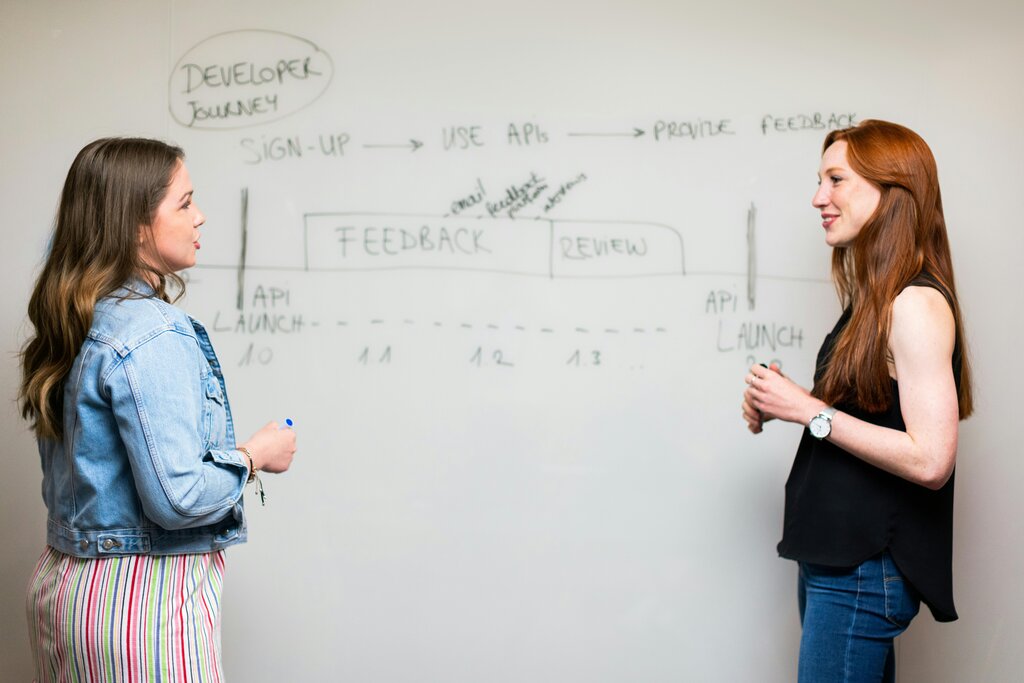
By embracing these principles, developers can prototype faster, learn new technologies more easily, and spend more time on creative problem-solving rather than rote coding tasks. It opens the door for people with great ideas but limited coding experience to bring their visions to life.
Let's check your understanding of these new ideas.
What is the central concept of 'vibecoding'?
In the vibecoding paradigm, the developer's role shifts from a 'hands-on builder' to more of a...
Vibecoding represents a fundamental shift in how we interact with computers to create software, prioritizing human-centric communication in a technical field.