Decoding 'ven'
Introduction to Typographical Errors
The Anatomy of a Typo
A typographical error, or "typo," is a simple mistake made while typing. It's not a spelling or grammar error, which comes from not knowing the rule. Instead, a typo is usually a slip of the fingers. You know the right word, but your hands don't quite cooperate. These small mistakes are a part of everyday digital communication.
Most typos fall into one of four categories. Understanding them helps you spot and fix them faster.
typo
noun
A mistake, such as a spelling error, made in typed or printed text.
Four Common Slips
While there are endless ways to mistype a word, the errors themselves are surprisingly predictable.
Insertion: This is when you add an extra character. For example, typing "leter" instead of "letter."
Deletion: The opposite of insertion, where you miss a character. You might type "leter" instead of "letter."
Substitution: This happens when you hit the wrong key, usually one right next to the correct one. Typing "lwttwr" instead of "letter" is a substitution error.
Transposition: Here, you swap two adjacent characters. Writing "leTter" instead of "letter" is a classic example. Our brains often read right over these, making them tricky to catch.
| Error Type | Description | Example (Correct word: working) |
|---|---|---|
| Insertion | An extra character is added. | workking |
| Deletion | A character is missed. | woring |
| Substitution | The wrong character is used. | worling |
| Transposition | Two characters are swapped. | working |
Why Typos Happen
So why do our fingers betray us? A few factors are usually at play. The most obvious is speed. When you type quickly, your accuracy can drop. Your brain is thinking several words ahead of your fingers, and sometimes they can't keep up.
Lack of attention is another major cause. If you're distracted or not focused on the task, you're more likely to make mistakes. This is why proofreading is so important; a fresh look can help you catch errors your brain initially skipped over.
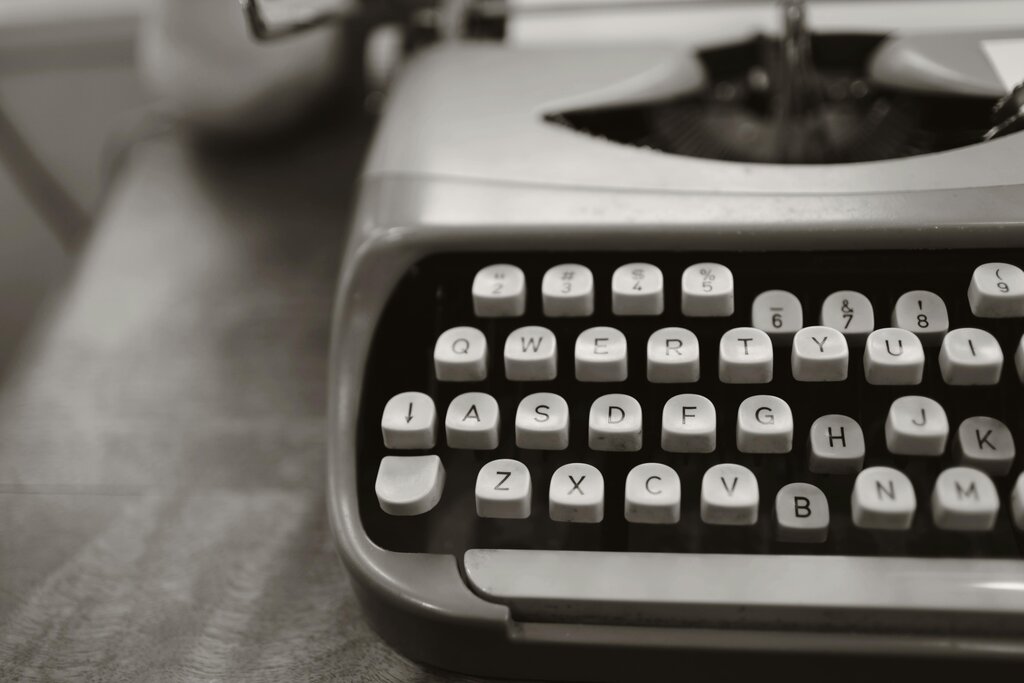
The keyboard layout itself can also be a culprit. On a standard QWERTY keyboard, some letters are clustered closely together. It's easy for your finger to hit 'S' when you meant to hit 'A', or 'M' instead of 'N'.
Even a small typo can completely change the meaning of a sentence or make it confusing. In a casual text message, a typo might be funny. But in a professional email, a resume, or an important document, it can look careless.
An email asking a colleague to "review the attached documnet" is clear despite the typo. An email asking them to "review the attached argument" when you meant "agreement" could cause real confusion.
Ultimately, typos are a small but constant part of how we write today. They affect clarity and can impact how your message is received. Recognizing the different types of typos and understanding why they happen is the first step toward catching and correcting them more effectively.
What is the key difference between a typo and a spelling error?
Typing "form" instead of "from" is an example of which type of error?