Decoding Streaming Business Models
Introduction to Streaming Platforms
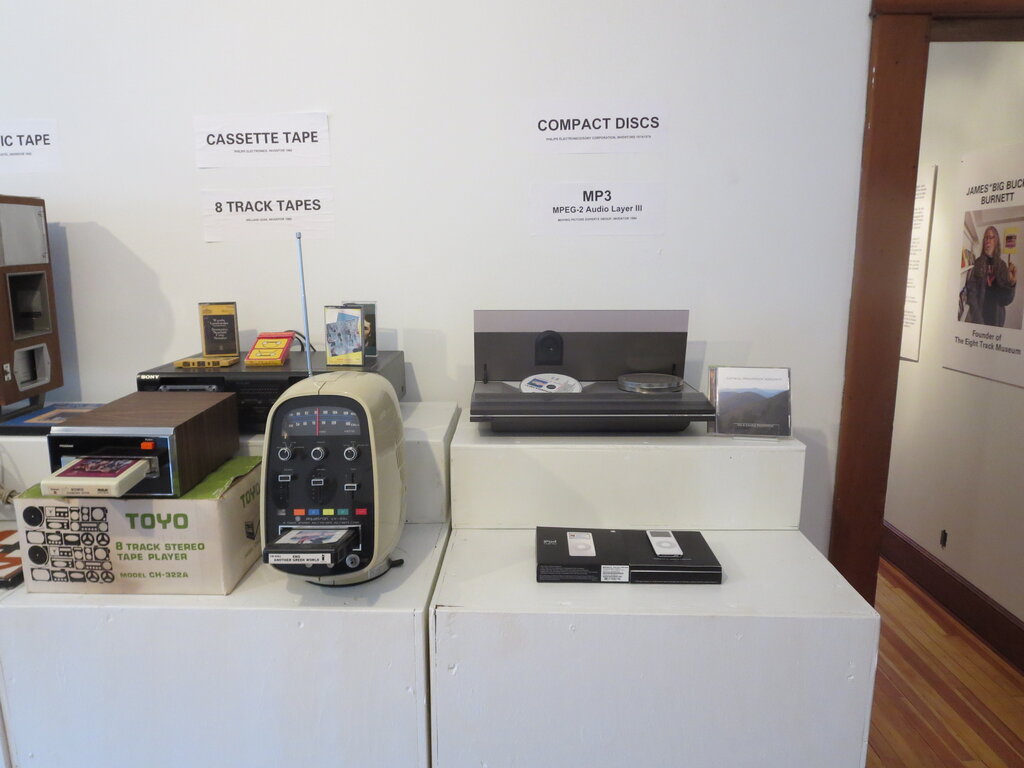
From Discs to Digital
Not long ago, watching a movie at home meant a trip to the video store. Listening to a new album involved buying a CD. The way we consume media was tied to physical objects. That all changed with the rise of streaming, and two companies led the charge: Netflix and Spotify.
Netflix began in 1997, not as a streaming giant, but as a DVD-by-mail service. You'd choose movies online, and they'd arrive in your mailbox in red envelopes. It was a novel idea that challenged the dominance of rental stores like Blockbuster. The real revolution, however, came in 2007 when Netflix introduced its 'Watch Now' feature, allowing subscribers to stream a limited library of movies and TV shows directly to their computers.
This was a risky pivot. Internet speeds were slower, and the concept of streaming was still new. But the bet paid off. As technology improved, Netflix's streaming library grew, and so did its subscriber base. It moved from a convenient alternative to a cultural force, coining terms like 'binge-watching' and transforming from a distributor of content into a major producer of original films and series.
The Music Revolution
While Netflix was changing how we watch, Spotify was doing the same for how we listen. Launched in Sweden in 2008, Spotify entered a music industry ravaged by illegal file-sharing. Platforms like Napster had conditioned a generation to expect music for free, and album sales were plummeting.
Spotify's solution was a 'freemium' model. Users could listen to a vast catalog of music for free with ads, or pay a monthly subscription for an ad-free experience with extra features like offline downloads. This approach provided a legal, user-friendly alternative to piracy. It was easier to use than torrent sites and offered a massive library at a low price point.
By making music so accessible, Spotify shifted the industry's focus from ownership (buying albums) to access (subscribing to a service). It also pioneered the use of algorithms to create personalized playlists, introducing listeners to new artists and changing how music is discovered.
Shaping Our Habits
Today, Netflix and Spotify are leaders in their respective markets. Netflix dominates video streaming, competing with giants like Disney+ and Amazon Prime Video. Spotify is the top player in music streaming, with Apple Music as its closest rival. Their success has had a profound impact on our daily lives.
Streaming platforms have fundamentally changed our expectations. We now expect instant, on-demand access to a nearly limitless library of entertainment, tailored specifically to our tastes.
The culture of 'appointment television,' where everyone watched the same show at the same time, has been replaced by individual, on-demand viewing. Similarly, the concept of the album has been challenged by the playlist, where individual tracks are curated and consumed in new contexts. These platforms haven't just changed a business model; they've changed culture.
Time for a quick review of what we've covered.
Let's test your knowledge.
What was Netflix's original business model before it became a streaming giant?
Spotify's 'freemium' model was designed as a legal, user-friendly alternative to what major issue plaguing the music industry?
Understanding the history of these platforms provides a crucial foundation for seeing how the entire media landscape operates today.