Decoding Election Polls
Introduction to Election Polls
What Are Election Polls?
An election poll is a survey of public opinion. Think of it as a snapshot. It captures what a small slice of the population is thinking about candidates or issues at a specific moment in time. The main goal is to gauge the political mood before people head to the voting booth.
Polls aren't crystal balls that predict the future. They are instruments that measure public opinion as it exists when the poll is taken.
For candidates, polls offer crucial feedback on their campaigns. Are their messages resonating with voters? What issues do people care about most? For the public and the media, polls provide a running commentary on the state of a political race, showing who's ahead, who's falling behind, and how voter sentiments are shifting over time.
A Brief History of Polling
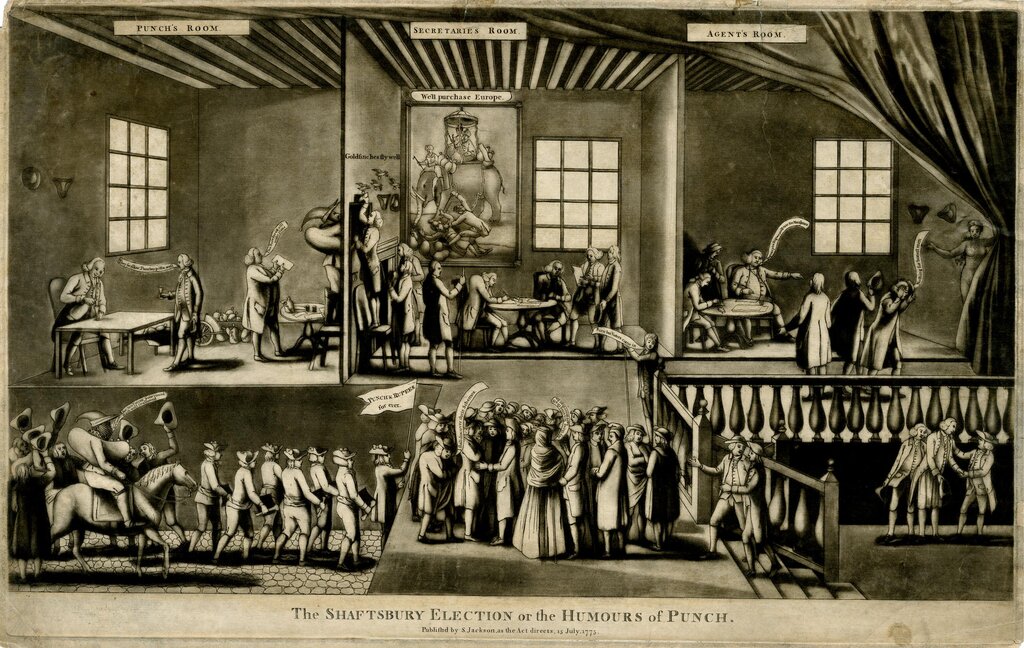
The idea of polling isn't new. Early forms, known as straw polls, were common in the United States as far back as the 19th century. Newspapers would conduct informal surveys to generate excitement and sell copies. These polls were unscientific and often wildly inaccurate.
The most famous polling failure involved the Literary Digest, a popular magazine. In 1936, it predicted that Alf Landon would overwhelmingly defeat Franklin D. Roosevelt for president. The magazine mailed out 10 million ballots, getting an impressive 2.4 million back. But Roosevelt won in a landslide.
What went wrong? The magazine got its mailing list from sources like telephone directories and car registrations. In the midst of the Great Depression, people who owned phones and cars were wealthier than the average American and tended to vote Republican. The poll's sample wasn't representative of the entire voting population. This disaster highlighted the need for more scientific methods, paving the way for pioneers like George Gallup who used smaller, but more representative, samples to achieve greater accuracy.
Types of Polls
Not all polls are created equal. They serve different purposes and are conducted at different times during an election cycle. Here are the main types you'll encounter.
Opinion Poll
noun
A survey asking a sample of people for their feelings or views on candidates and issues before an election.
This is the most common type of election poll. Campaigns and news organizations conduct them regularly throughout the election season to track the race.
Exit Poll
noun
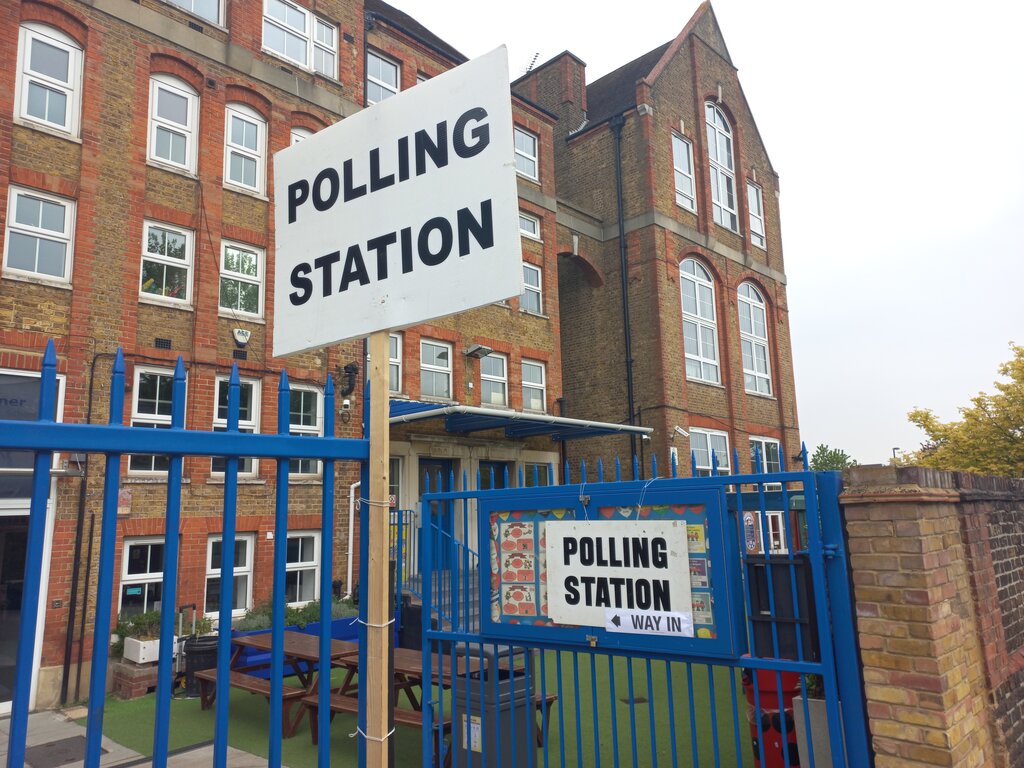
A poll of voters taken immediately after they have exited the polling stations.
Exit polls ask voters who they voted for and why. Because they survey actual voters, they can be quite accurate for predicting results quickly. They also provide valuable data about why people voted the way they did, breaking down results by demographics like age, gender, and income.
Finally, there are straw polls.
A straw poll is an unofficial, unscientific survey used to gauge opinion. It’s like asking for a show of hands in a large room; you get a sense of the mood, but it’s not a precise measurement.
You might see straw polls at state fairs or online. They can be fun and generate buzz, but they aren't reliable predictors of an election outcome because the participants are usually not representative of the broader electorate.
The Role of Polls in a Democracy
In a healthy democracy, polls serve as a vital link between the public and elected officials. They provide a continuous stream of feedback, allowing politicians to understand what's on voters' minds long after an election is over.
Polls also inform media coverage, helping journalists decide which issues to focus on and which candidates are gaining traction. For voters, polls can offer a sense of the political landscape, highlighting key issues and showing how other people are thinking about the election.
However, there's also a debate about whether polls simply reflect public opinion or actively shape it. The 'bandwagon effect' is the idea that some voters might support a candidate simply because they see them as popular in the polls. Despite these concerns, polls remain a fundamental tool for understanding the dynamics of an election.
A well-designed poll gives everyone in the population an equal voice, providing information that isn’t available anywhere else.
Now that you have a grasp of the basics, let's test your knowledge.
What is the main goal of an election poll?
Why did the Literary Digest poll of 1936 incorrectly predict that Alf Landon would defeat Franklin D. Roosevelt?
Understanding what polls are, their history, and their different forms is the first step in becoming a more informed observer of elections.