Decoding Earnings Reports for Smart Investing
Understanding Financial Statements
The Three Core Statements
To understand a company's financial health, you need to look at three key reports: the income statement, the balance sheet, and the cash flow statement. Think of them as different chapters in a book. Each tells a unique part of the story, but you need to read all three to get the full picture.
Financial statements do more than record transactions; they tell a story about where money comes from, where it goes, and how effectively it’s managed.
The Income Statement
The income statement shows a company's financial performance over a specific period, like a quarter or a year. It's often called the profit and loss (P&L) statement because it boils down to one simple question: Did the company make a profit?
The structure is straightforward. It starts with revenue, which is all the money the company earned from selling its products or services. Then, it subtracts all the costs and expenses incurred to generate that revenue. These can include the cost of goods sold, salaries, marketing, and taxes.

What’s left at the very end is the famous “bottom line”: net income. If this number is positive, the company was profitable during that period. If it's negative, it had a net loss.
The income statement answers the question: How profitable was the business over a period of time?
The Balance Sheet
While the income statement covers a period of time, the balance sheet is a snapshot at a single moment. It shows what a company owns and what it owes on a specific day, like the last day of a quarter.
The balance sheet is built on a fundamental equation: Assets = Liabilities + Equity. Let's break that down.
- Assets are everything the company owns that has value. This includes cash, inventory, equipment, and buildings.
- Liabilities are what the company owes to others. This includes loans, bills from suppliers (accounts payable), and other debts.
- Equity represents the owners' stake in the company. It's the value that would be left over for shareholders if the company sold all its assets and paid off all its liabilities.
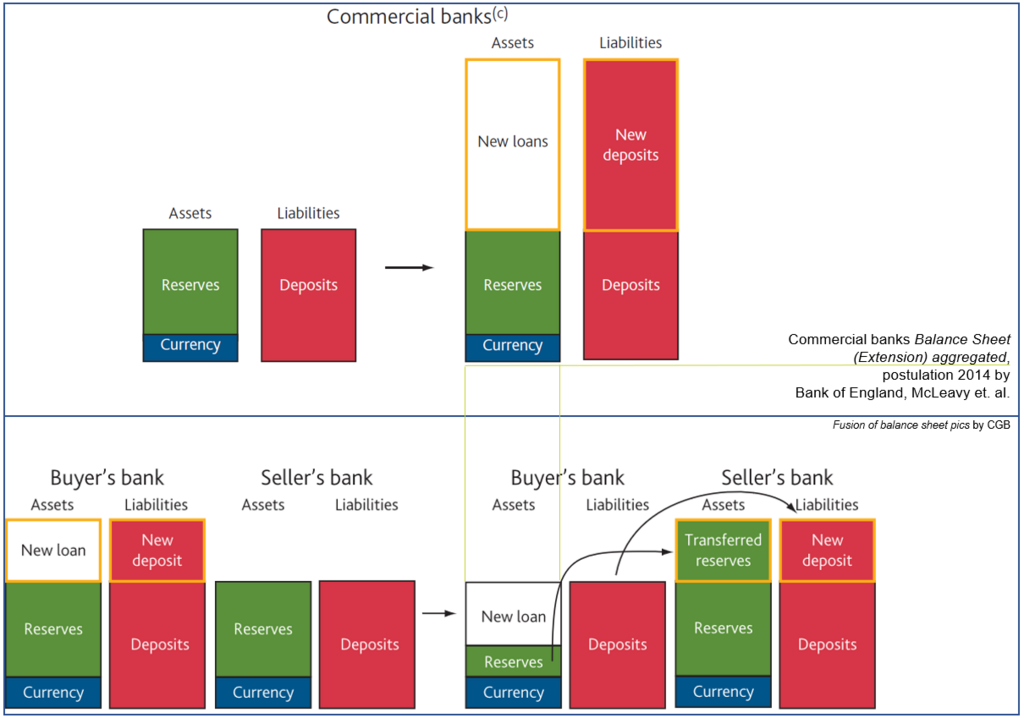
The two sides of the equation must always balance, hence the name. This statement gives you a clear picture of the company's financial position and structure.
The balance sheet answers the question: What is the company's financial position right now?
The Cash Flow Statement
A company can be profitable on its income statement but still run into trouble if it doesn't have enough cash to pay its bills. The cash flow statement tracks the actual cash moving in and out of a company over a period.
It's important because accounting rules can sometimes make a company look profitable even when cash isn't coming in. For example, a sale might be recorded as revenue immediately, but the customer might not pay for 60 days. The cash flow statement cuts through this to show the real cash situation.
This statement is broken into three main activities:
- Operating Activities: Cash generated from the company's main business operations, like selling goods and services.
- Investing Activities: Cash used for investments, such as buying or selling equipment or property.
- Financing Activities: Cash from investors or banks, like taking out a loan or issuing stock, as well as paying dividends or repaying debt.
The cash flow statement answers the question: Where did the company's cash come from, and where did it go?
How They Connect
These three statements are not independent; they are linked together. The net income from the income statement flows into the equity section of the balance sheet. It also serves as the starting point for the operating activities section of the cash flow statement.
Changes in balance sheet items, like inventory or accounts payable, affect the cash flow statement. Finally, the ending cash balance on the cash flow statement must match the cash amount listed on the balance sheet.
By reviewing all three together, anyone from an investor to a manager can get a well-rounded understanding of a company's financial story.
Now, let's test your understanding of these core financial statements.
Which financial statement shows a company's financial performance over a specific period of time?
The fundamental equation for the balance sheet is: