Data Science Fundamentals for Practitioners
Introduction to Data Science
What Is Data Science?
Data science is the practice of using data to understand the world and make better decisions. Think of it like being a detective. You gather clues (data), look for patterns, and build a story that explains what happened and what might happen next. It's a field that blends together different skills to turn raw information into meaningful insights.
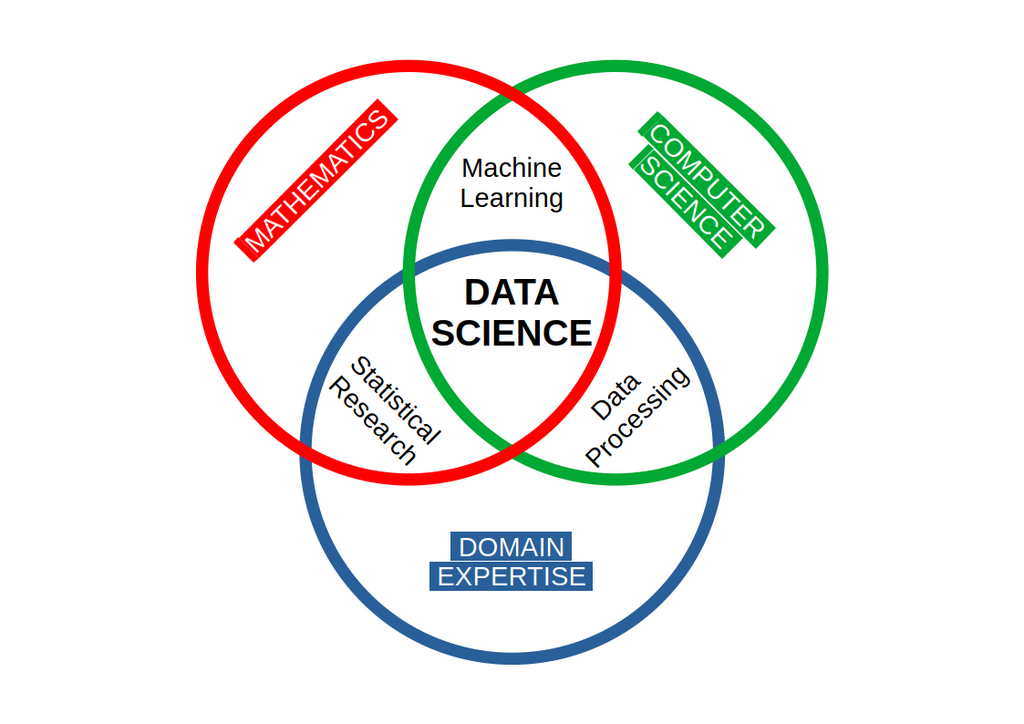
At its core, data science sits at the intersection of three key areas:
- Computer Science: This provides the tools for handling large amounts of data and the programming skills to analyze it efficiently.
- Math & Statistics: This is the foundation for making sense of the data, finding relationships, and building predictive models. It helps ensure the conclusions are sound.
- Domain Expertise: This is the deep understanding of a particular field, like medicine, finance, or marketing. Without context, data is just a collection of numbers. Domain expertise helps ask the right questions and interpret the results correctly.
The Data Science Journey
Solving a problem with data isn't a single event; it's a process with several distinct stages. This is often called the data science lifecycle. While the exact steps can vary, they generally follow a path from raw data to a useful outcome.
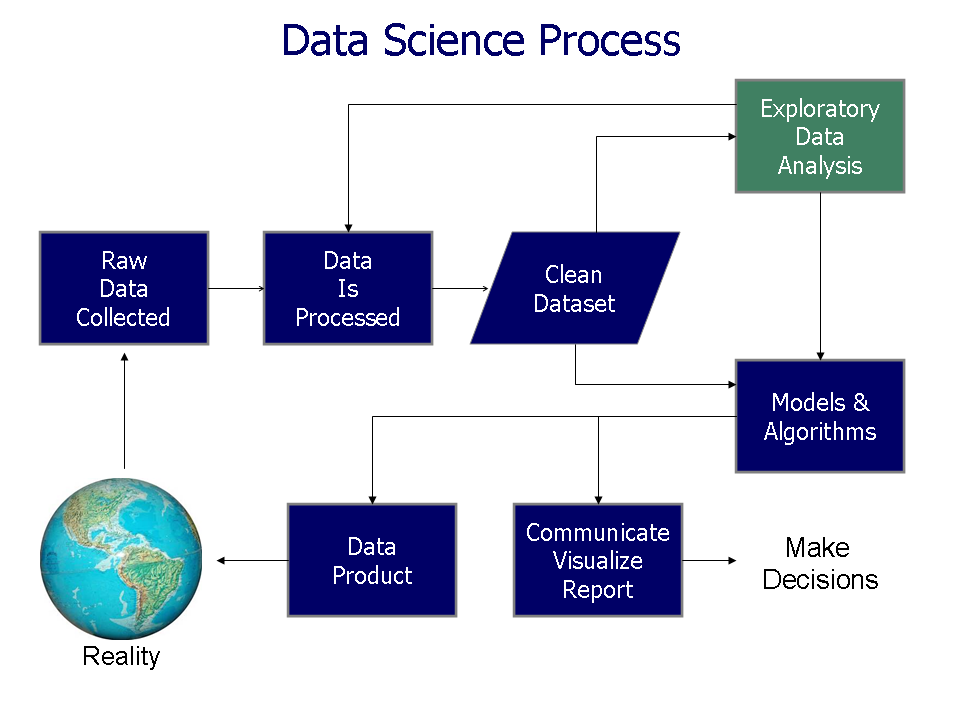
Let's walk through the key phases:
-
Data Collection: The journey starts by gathering raw data. This can come from anywhere: customer surveys, website clicks, sensor readings, social media posts, or public records. The goal is to collect the right information to answer a specific question.
-
Data Cleaning: Raw data is almost never perfect. It's often messy, with missing entries, typos, or inconsistent formats. The cleaning phase, also called data preparation, involves fixing these errors and structuring the data so it's ready for analysis. This step is crucial and can take up a significant amount of a data scientist's time.
-
Data Analysis: Once the data is clean, the real exploration begins. Data scientists look for patterns, trends, and relationships. They might use visualizations to get a feel for the data or apply statistical models to test hypotheses. This is where insights start to emerge.
-
Interpretation & Communication: The final step is to translate the findings into a clear, understandable story. An analysis is only valuable if it leads to action. This involves creating charts, reports, or interactive dashboards to communicate the results to people who will use them to make decisions.
A Question of Ethics
Working with data, especially data about people, comes with great responsibility. Ethical considerations are not an afterthought in data science; they are a core part of the job. Two of the biggest concerns are data privacy and bias.
Data privacy is about protecting an individual's personal information from being collected, used, or shared without their consent.
When data scientists handle sensitive information—like health records or financial details—they must ensure it's kept secure and used ethically. This means being transparent about what data is collected and how it will be used.
Bias is another major challenge. An algorithm is only as good as the data it's trained on. If the data reflects existing societal biases, the model will learn and often amplify those biases. This can lead to unfair outcomes in areas like hiring, loan applications, and even criminal justice.
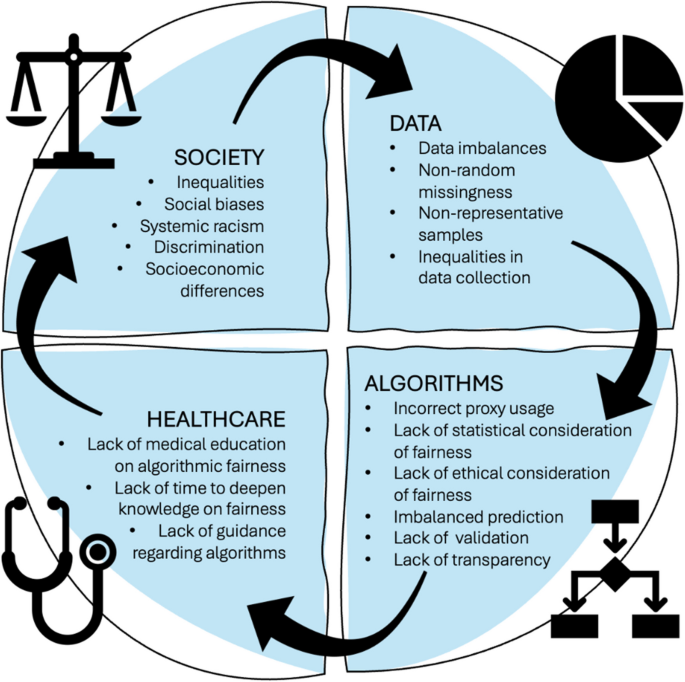
This cycle of bias can be hard to break. Biased data leads to biased algorithms, which can then influence decisions that create even more biased data. A responsible data scientist must be vigilant about identifying and correcting for bias at every stage of the lifecycle to ensure their work is fair and equitable.
Now, let's test your understanding of these foundational concepts.
What is the primary goal of data science?
Data science is the intersection of Computer Science, Math & Statistics, and __________.
Understanding these core ideas—what data science is, its lifecycle, and the ethical responsibilities involved—is the first step into a powerful and evolving field.