Data Pipelines Explained
Introduction to Data Pipelines
What Is a Data Pipeline?
Think about the water in your home. It doesn't magically appear in your faucet. It travels from a source, like a reservoir or river, through a series of pipes and treatment plants before it's ready for you to drink. This system ensures a clean, reliable flow of water.
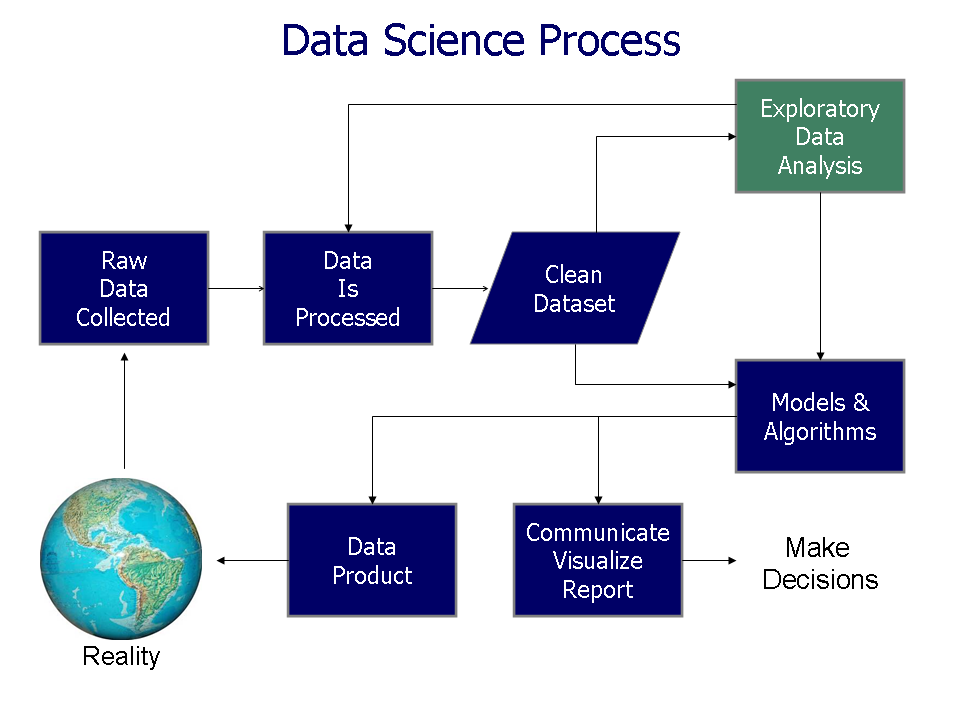
A data pipeline does something similar, but for information. It's an automated system that collects data from various sources, processes it, and delivers it to a destination where it can be analyzed or used. Without these pipelines, data would be stuck in isolated places, much like a reservoir with no pipes leading out.
A data pipeline is a series of automated steps that move raw data from various sources to a destination, often transforming it into a more useful format along the way.
In today's world, companies gather data from countless places: website clicks, mobile app usage, sales records, social media mentions, and even sensors on factory equipment. A data pipeline brings all this information together, making it possible for a business to see the big picture and make smarter decisions.
Two Speeds of Data Flow
Not all data needs to be moved at the same speed. Just as you might get a monthly bank statement but need instant fraud alerts, data pipelines operate on different schedules. The two main types are batch processing and real-time streaming.
Batch Processing
noun
A method of processing data where information is collected and processed in groups, or "batches," at scheduled intervals.
Think of batch processing like doing laundry. You wait until you have a full basket of clothes before you run the washing machine. It's efficient to do a large load all at once.
In the same way, a batch data pipeline collects data over a period—like an hour or a day—and then processes it all in one go. This is great for large volumes of data where immediate analysis isn't critical.
Use Case: A retail company might use a batch pipeline to calculate its total daily sales. At the end of each day, the system gathers all the transaction records from every store, processes them together, and updates the central sales dashboard for managers to review the next morning.
Streaming
noun
A method of processing data continuously, piece by piece, as soon as it is generated.
Real-time streaming is like a flowing river. The water (or data) moves continuously. Instead of waiting to collect a batch, a streaming pipeline processes data the moment it's created. This method is essential when you need immediate insights.
Use Case: A bank uses a streaming pipeline for fraud detection. When you swipe your credit card, the transaction data is instantly sent through a pipeline that analyzes it for suspicious patterns. If a potential issue is flagged, you might get a text message alert within seconds. Waiting until the end of the day would be far too late.
Why Bother with Pipelines?
Data pipelines are the backbone of modern data management. They provide a reliable, automated way to handle the constant flood of information.
By creating these systems, organizations can:
- Ensure Data Quality: Pipelines can be designed to clean and standardize data as it moves, removing errors and inconsistencies.
- Save Time: Automating the flow of data frees up people from tedious manual work, allowing them to focus on analysis and interpretation.
- Enable Better Decisions: With timely and well-organized data, businesses can spot trends, understand customer behavior, and operate more efficiently.
- Power AI and Machine Learning: Artificial intelligence models require vast amounts of clean, structured data to learn. Pipelines are essential for feeding these models the information they need.
A data engineer builds the pipelines, storage, and processing systems to transform that raw mess into clean, structured, reliable data that analysts, scientists, and AI models can actually use.
Ultimately, data pipelines turn raw, chaotic data into a valuable asset. They are the essential infrastructure that makes data-driven insights possible.
What is the primary purpose of a data pipeline?
A retail company wants to analyze its total sales from all stores at the end of each business day. Which type of data processing is most suitable for this task?
Data pipelines are a fundamental concept in managing information. By understanding how they work and the different types available, you can better appreciate how raw data becomes the fuel for modern technology and business.