Data Modeling Essentials
Introduction to Data Modeling
What Is Data Modeling?
Think of building a house. You wouldn't just start throwing up walls and hoping for the best. You'd start with a blueprint—a detailed plan that shows where every room, door, and window goes. Data modeling is the blueprint for your data.
It’s the process of creating a visual representation of an information system. This model shows what data you need to store, how different pieces of data are related to each other, and the rules that govern them. The main goal is to make sure that the data accurately reflects the real-world business processes it's supposed to support.
Data modeling translates business needs into a structured plan for organizing data.
Without a model, you end up with a chaotic
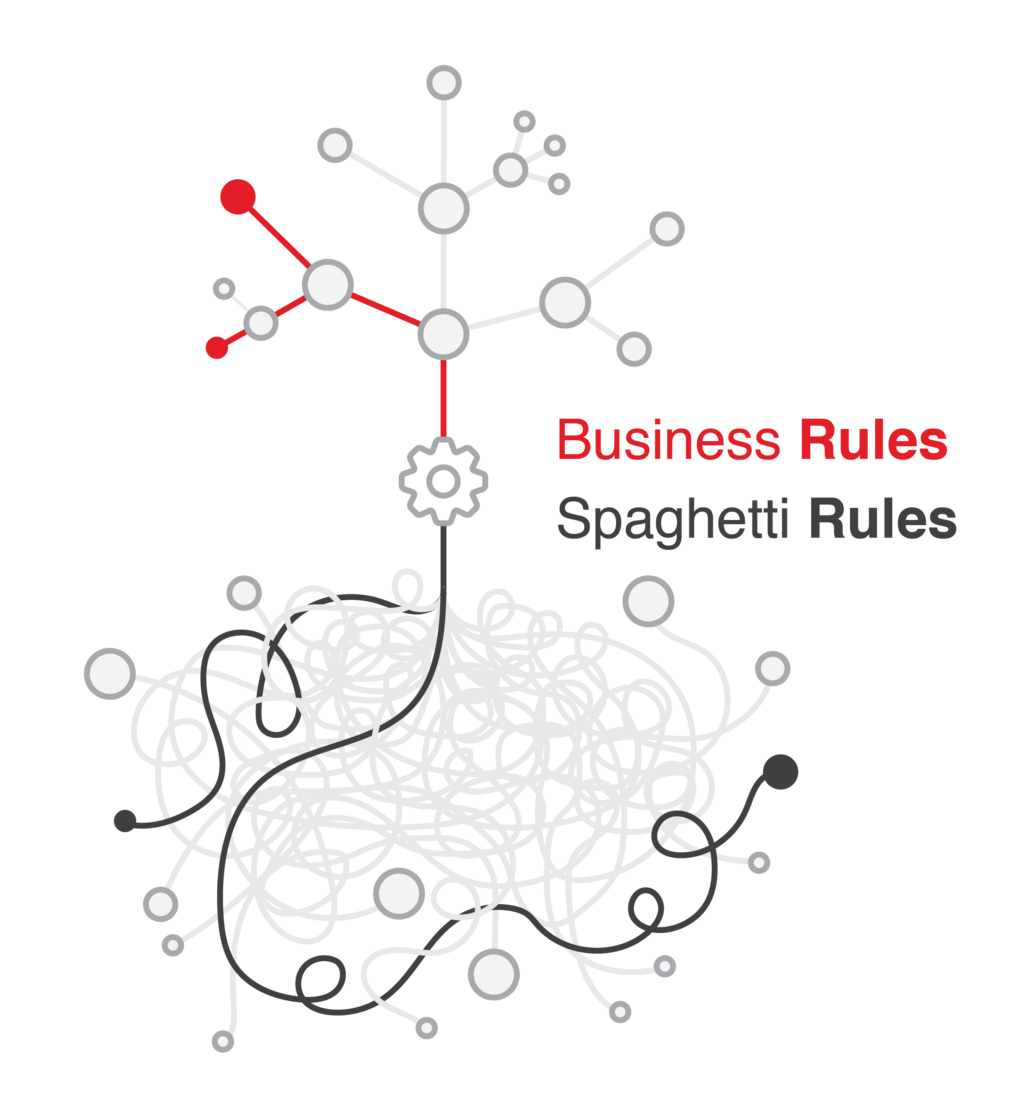
mess. Different teams might define the same term—like 'customer'—in conflicting ways. Reports become inconsistent, and building new applications on top of the data becomes a nightmare. A solid data model brings order to this potential chaos.
The Benefits of a Good Model
Investing time in data modeling pays off significantly. It's a foundational step that ensures the long-term health and usefulness of your data.
Key benefits include:
-
Clarity and Consistency: A data model acts as a common language. It ensures that everyone in the organization, from business analysts to database developers, has a shared understanding of the data.
-
Improved Data Quality: By defining rules and constraints upfront, a model helps prevent errors and inconsistencies from entering the system. This means the data is more reliable and trustworthy.
-
Faster Development: With a clear blueprint in hand, developers can build databases and applications more efficiently. There’s less guesswork and fewer revisions needed down the line.
-
Better Decision-Making: Well-organized data is easier to query and analyze. This allows businesses to extract meaningful insights and make informed decisions faster.
The Three Levels of Data Models
Data modeling isn't a single step but a process that moves from a high-level overview to a detailed, technical plan. This progression is typically broken down into three levels.
1. Conceptual Data Model
This is the highest-level view. It identifies the most important entities or concepts for the business (like 'Customers', 'Products', and 'Orders') and shows the relationships between them. The conceptual model is all about understanding the business requirements and is created with input from stakeholders. It contains no technical details; it’s just about the 'what', not the 'how'.
The conceptual model is a simple, non-technical diagram that anyone in the business can understand.
2. Logical Data Model
Next, the conceptual model is translated into a logical model. This level adds more detail, defining the specific attributes (like 'FirstName' or 'Price') for each entity and specifying the relationships more formally (e.g., a 'Customer' can have many 'Orders').
Crucially, the logical model is technology-agnostic. It describes the data structure without committing to a specific database system like MySQL, PostgreSQL, or Oracle. It's the detailed blueprint before you start picking out construction materials.
3. Physical Data Model
Finally, the logical model is transformed into a physical data model. This is the most detailed level and is tied to a specific database technology. It defines exact table names, column names, data types (like VARCHAR(255) or INTEGER), and the primary and foreign keys that link the tables.
This model is the final implementation plan that database administrators use to create the actual database. It contains all the information needed to build and manage the data storage system efficiently.
What is the primary purpose of data modeling, using the analogy of building a house?
Which of the following is NOT a benefit of a well-designed data model?
By moving through these three levels, organizations can ensure that their data structures are well-planned, aligned with business goals, and ready for technical implementation.