Data Management Essentials
Introduction to Data Management
What is Data Management?
Think about all the photos on your phone. If they’re dumped in one giant, unsorted folder, finding a specific picture from last year’s vacation is a nightmare. But if you organize them into albums by date and event, you can find what you need in seconds. Data management is like that, but for businesses.
It’s the practice of collecting, storing, protecting, and using an organization's data. The goal isn't just to hoard information, but to make sure it's reliable and easily accessible so it can be used to make smart decisions.
An adequate data management process yielding data quality and control over its lifecycle is a prerequisite to getting value out of this data and minimizing inherent risks related to multiple usages.
The Lifecycle of Data
Data has a life of its own, from the moment it's created to the moment it's archived or deleted. Managing this lifecycle involves several key stages, each with its own purpose.
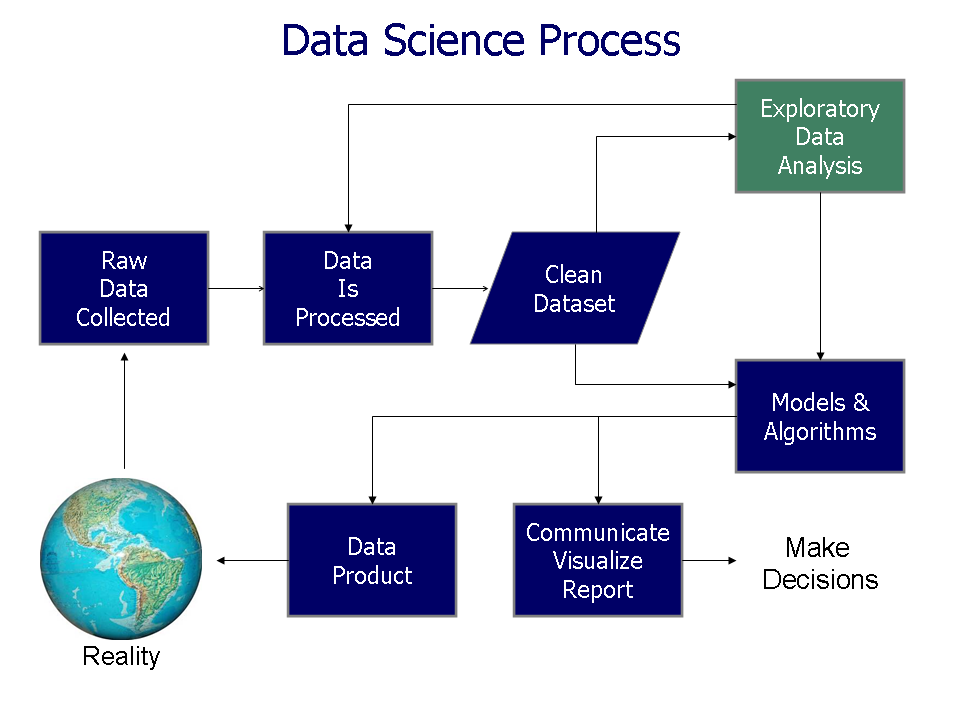
First is data collection. This is where data is born. It can be gathered from customer surveys, website clicks, sales transactions, or sensors on a factory floor. The quality of your data starts here. If you collect inaccurate or irrelevant information, everything that follows will be flawed.
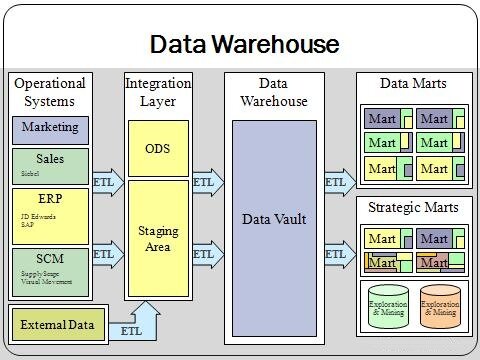
Next comes data storage. Once collected, data needs a safe place to live. This could be a simple spreadsheet, a structured database, or a massive data warehouse that pulls information from many different sources. The key is choosing a storage solution that keeps the data secure and makes it available when needed.
Then we have data organization. This is the cleanup crew. Raw data is often messy, with duplicates, errors, or missing values. Organization involves cleaning, standardizing, and structuring the data so it can be easily analyzed. Without this step, you'd be trying to make sense of chaos.
Data security is about protecting your information from unauthorized access or loss. This isn’t just about stopping hackers. It also involves setting up permissions so that employees can only see the data they need to do their jobs. It’s the digital equivalent of locking the file cabinet.
Finally, data governance brings it all together. Think of it as the rulebook for your data. It defines who is responsible for the data, how it can be used, and what standards it must meet. Good governance ensures that everyone in the organization is on the same page, treating data as the valuable asset it is.
Why It All Matters
The whole point of managing data is to ensure two things: integrity and usability.
Integrity
noun
The accuracy, completeness, and consistency of data over its entire lifecycle.
Data integrity means you can trust your data. It's accurate and reliable. When a sales manager pulls a report, they need to know the numbers reflect what actually happened, not a collection of typos and duplicates.
Usability means the data is not just clean, but also easy to find, access, and understand. What good is perfect data if no one can use it?
Good data management creates a single source of truth, where everyone in an organization works from the same, reliable information. This leads to better strategy, more efficient operations, and a real competitive edge.
Ready to test your knowledge on these core concepts?
What is the primary goal of data management?
Which stage of the data management lifecycle involves cleaning, standardizing, and structuring raw data to remove errors and duplicates?