Data-Driven Design Principles
Introduction to Data-Driven Design
What Is Data-Driven Design?
Imagine you're trying to find the best route to a friend's house. You could rely on your gut feeling, remembering a landmark you saw once. Or, you could open a map app that uses real-time traffic data to show you the fastest way. The second option is almost always better because it's based on current, relevant information.
Data-driven design applies the same logic to creating products, websites, and apps. Instead of relying purely on a designer's intuition or personal taste, it uses data from real users to guide decisions. This data can be anything from which buttons people click most often to how long they spend on a certain page.
It’s about replacing “I think” with “The data shows.”
This doesn't mean creativity and experience are thrown out the window. A great designer's intuition is invaluable for generating ideas. Data then acts as a compass, helping to test those ideas and steer the design in a direction that is proven to work for the people who will actually use it.
Data-Driven Design
noun
An approach to product development that bases decisions on user behavior data rather than solely on opinions or conventions.
Why Bother with Data?
Adopting a data-driven approach takes effort, but the payoff is significant. It moves design from a subjective art to a more objective, evidence-based practice.
One of the biggest benefits is reducing guesswork. Every product is built on a series of assumptions. Designers assume users will understand an icon, that they'll prefer a certain layout, or that a feature will be helpful. Data allows you to validate these assumptions. Instead of hoping a new feature is useful, you can track how many people use it and how it impacts their experience.
This leads to better products. When decisions are backed by evidence of what users actually need and do, the final product is naturally more intuitive, effective, and enjoyable to use. It's the difference between building a product for your users and building it with them, using their behavior as a guide.
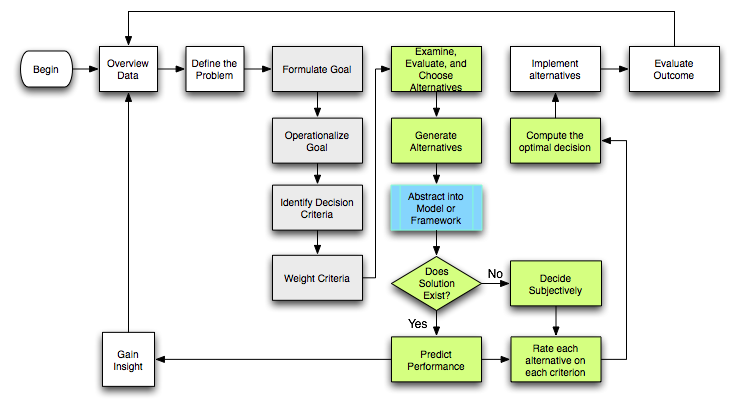
Finally, designing with data can save time and resources. It's much cheaper to discover that an idea isn't working during the design phase than it is to build it out completely, only to find that nobody wants it. Data helps teams focus their efforts on what truly matters to users, avoiding costly detours and redesigns down the line.
Core Principles
Data-driven design isn't just about collecting numbers; it's a mindset guided by a few key principles.
1. Set Clear Goals. Before you even look at data, you need to know what you're trying to achieve. Are you trying to get more people to sign up, make a feature easier to find, or reduce customer support tickets? A clear goal, often tied to a specific metric, is the first step. Without it, you're just swimming in numbers.
2. Ask Good Questions. Once you have a goal, you can form questions that data can help answer. If your goal is to increase sign-ups, you might ask: “Where in the sign-up process are users dropping off?” or “Does the wording on the sign-up button affect how many people click it?”
3. Stay Curious. Data doesn’t always give you a straightforward answer. Sometimes it reveals something unexpected about user behavior. The key is to treat data not as a final verdict, but as a starting point for deeper investigation. It’s a tool for learning, which fuels better and better design choices over time.
Being data-driven means using data to make informed decisions.
By embracing these principles, teams can move beyond personal preferences and create products that truly resonate with the people they're built for.
What is the primary role of data in a data-driven design process?
One of the key principles mentioned is to "Set Clear Goals." Why is this the first step?