Data Analytics and Big Data Fundamentals
Introduction to Data Analytics
What Is Data Analytics?
Data analytics is the process of examining raw data to find trends and answer questions. Think of it like being a detective. You gather clues (data), piece them together (analysis), and solve a mystery (gain insights). The ultimate goal is to make smarter, more informed decisions instead of relying on guesswork.
In short, data analytics turns raw numbers and text into actionable knowledge.
Companies use this process for everything from understanding customer behavior to optimizing their supply chains. A retail store might analyze sales data to figure out which products are most popular on weekends. A hospital could look at patient data to predict when the next flu season might peak. This shift from gut feelings to data-driven strategies is what makes analytics so powerful.
The Data Analytics Lifecycle
Getting from raw data to a smart decision follows a clear path. This journey is often called the data analytics lifecycle, and it generally involves four key stages.
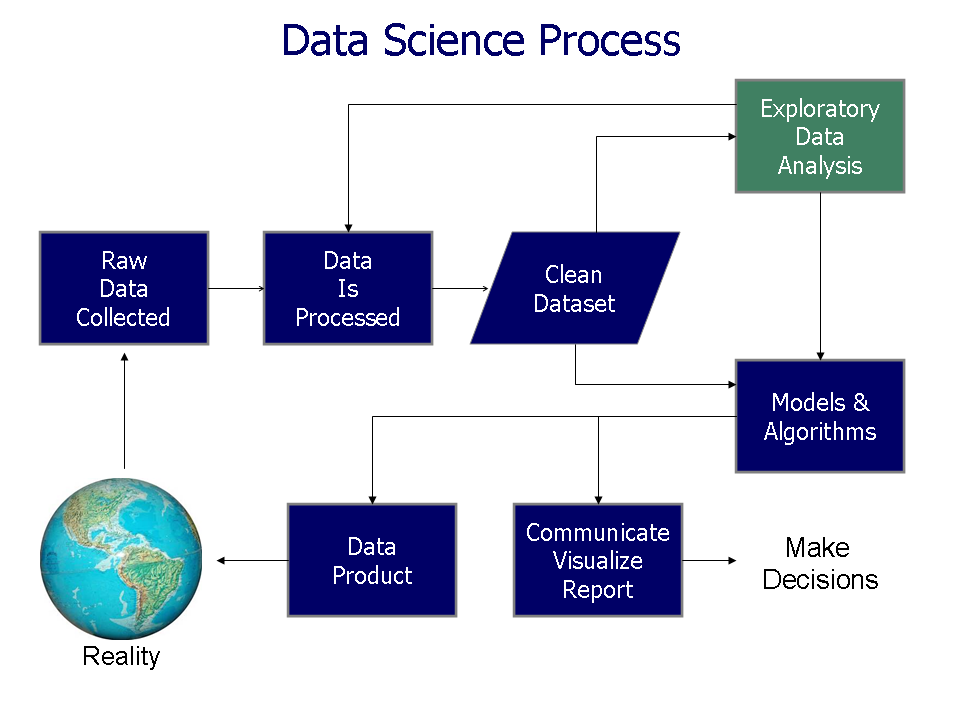
1. Data Collection This is the starting point. Data can be gathered from countless sources, such as customer surveys, website clicks, sales transactions, social media activity, or sensors on a factory floor. The quality of your analysis depends heavily on the quality of the data you collect.
2. Data Cleaning and Processing Raw data is almost never perfect. It's often messy, with duplicates, errors, or missing information. The cleaning stage involves fixing these issues. For example, you might remove duplicate entries, correct typos in addresses, or fill in missing values. This step is critical for ensuring your analysis is accurate.
3. Analysis Once the data is clean, the real investigation begins. Here, analysts use various techniques to explore the data, identify patterns, find correlations, and uncover hidden insights. This is where you connect the dots and figure out what the data is trying to tell you.
4. Visualization and Interpretation Finally, the findings need to be communicated to others. This is often done through data visualization, using charts, graphs, and dashboards to tell a clear story. A simple bar chart showing a sales spike is much easier to understand than a massive spreadsheet. The goal is to present the insights in a way that helps people make confident decisions.
Four Types of Analytics
Data analytics isn't a one-size-fits-all process. The questions you ask determine the type of analysis you perform. There are four main types, each building on the last, that range from looking at the past to shaping the future.
| Type | Key Question | Example |
|---|---|---|
| Descriptive | What happened? | A dashboard showing last month's website traffic. |
| Diagnostic | Why did it happen? | Analyzing traffic sources to see why visits dropped after a website update. |
| Predictive | What will happen? | Forecasting next quarter's sales based on past trends and seasonal data. |
| Prescriptive | What should we do? | Recommending specific marketing campaigns to boost forecasted sales. |
Most organizations start with descriptive analytics to understand their performance. As they become more mature in their use of data, they move toward predictive and prescriptive analytics to become more proactive and strategic.
Data Analytics in the Real World
Data analytics is used in nearly every industry to solve practical problems and create new opportunities.
Healthcare: Hospitals analyze patient admission rates to better staff their emergency rooms. Researchers use it to predict disease outbreaks and find more effective treatments.
Finance: Banks use analytics to detect fraudulent credit card transactions in real-time. Investment firms use it to model market risks and build better portfolios.
Retail: E-commerce sites analyze your browsing history to recommend products you might like. Supermarkets use it to optimize store layouts and manage inventory.
Manufacturing: Factories place sensors on machinery to predict when a part might fail, preventing costly shutdowns. This is known as predictive maintenance.
Let's test your understanding of these core concepts.
What is the ultimate goal of data analytics?
Which stage of the data analytics lifecycle involves correcting typos, removing duplicate entries, and handling missing values?
From making sense of the past to predicting the future, data analytics provides the tools to navigate a complex world with greater clarity and confidence.