Daily Meditation for Stress Reduction
Understanding Stress
The Body's Alarm System
Stress is a natural physical and mental reaction to life experiences. Everyone experiences stress from time to time. It's your body's way of responding to any kind of demand or threat. When you sense danger, whether it's real or imagined, the body's defenses kick into high gear in a rapid, automatic process known as the "fight-or-flight" response.
stress
noun
The body's response to a challenge or demand, which can be physical, mental, or emotional.
This response is your body's way of protecting you. In emergencies, it can save your life, giving you extra strength to defend yourself. But when it's constantly activated over a long period, it can wear you down.
How Stress Affects Your Body
When you perceive a threat, your nervous system responds by releasing a flood of stress hormones, including adrenaline and cortisol. These hormones prepare your body for emergency action.
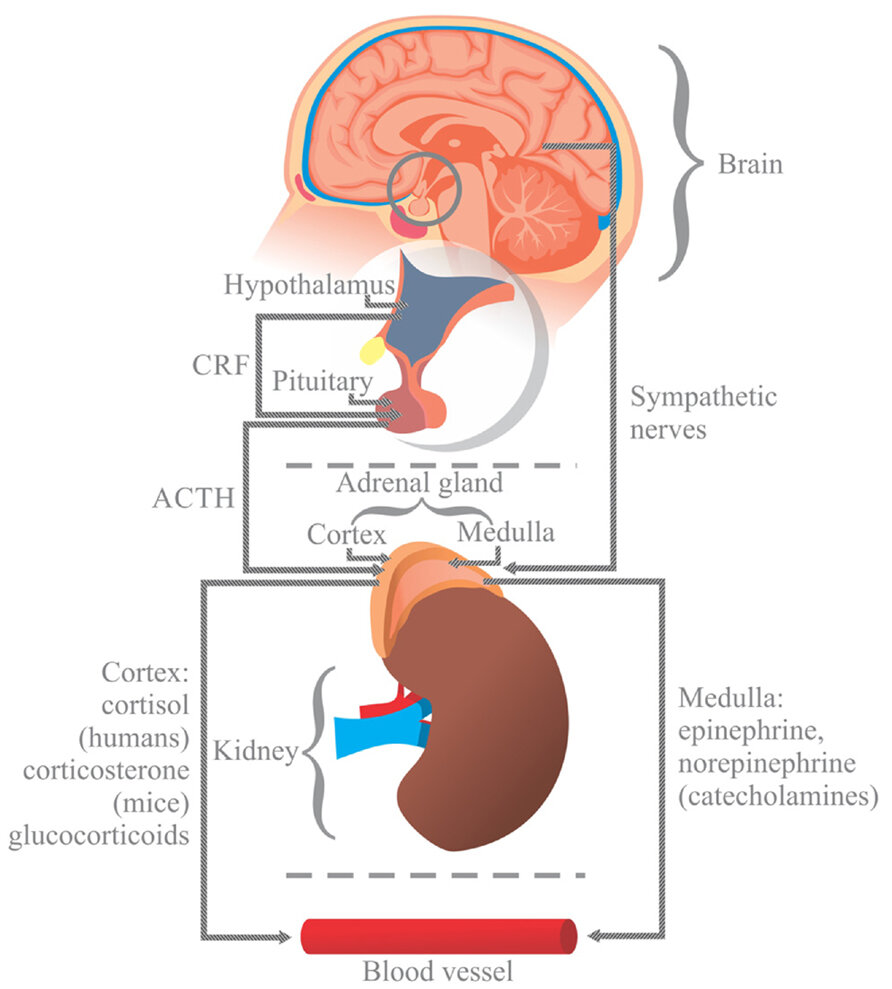
Your heart pounds faster, muscles tighten, blood pressure rises, breath quickens, and your senses become sharper. These physical changes increase your strength and stamina, speed up your reaction time, and enhance your focus. This is helpful for handling a single, intense situation.
However, when your stress system stays activated day after day, it becomes chronic stress. This long-term activation can disrupt almost all your body's processes, putting you at increased risk for numerous health problems, including:
- Headaches and muscle pain
- Digestive problems
- Sleep issues
- Heart disease and high blood pressure
- A weakened immune system
The Mind Under Pressure
Stress doesn't just affect your body; it has a significant impact on your thoughts and feelings. While short-term stress can help you focus and perform under pressure, chronic stress can have the opposite effect.

Psychologically, ongoing stress can lead to serious issues. It can cause irritability, anxiety, and a feeling of being overwhelmed. You might find it hard to concentrate or make decisions. Memory can also be affected, making it difficult to recall information.
If left unmanaged, the constant mental strain can contribute to the development of anxiety disorders and depression. It drains your mental resources, leaving you feeling emotionally exhausted and unable to cope with life's daily challenges.
Why Managing Stress Matters
Since stress is a normal part of life, the goal isn't to eliminate it entirely. Instead, the key is to manage it effectively. Understanding how your body and mind react to stressors is the first step toward taking control.
Stress itself isn't the enemy. Unmanaged, chronic stress is what harms your health and well-being.
By recognizing the signs of stress and learning healthy ways to cope, you can prevent it from becoming a chronic issue. Effective management helps protect both your physical and mental health, improving your overall quality of life and resilience in the face of challenges.
What is the primary purpose of the body's "fight-or-flight" response?
Which pair of hormones is primarily released during the stress response?