Cybersecurity Fundamentals
Introduction to Cybersecurity
What is Cybersecurity?
Cybersecurity is the practice of protecting digital systems, networks, and data from malicious attacks. Think of it like securing your home. You lock your doors and windows to keep intruders out. In the digital world, cybersecurity is the set of locks, alarms, and practices that keep your personal information, money, and online identity safe.
Cybersecurity
noun
The practice of defending computers, servers, mobile devices, electronic systems, networks, and data from malicious attacks.
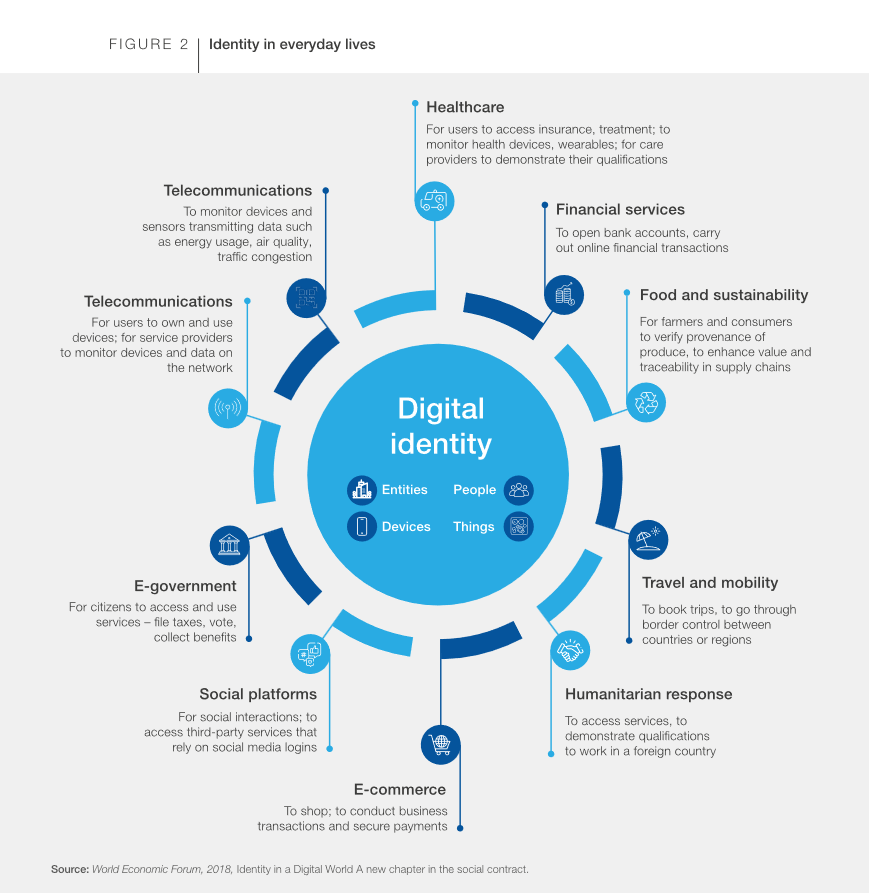
From banking and shopping to connecting with friends and family, our lives are deeply intertwined with the internet. This digital world holds a vast amount of our sensitive information. Protecting this information isn't just a technical problem for big companies; it's a personal necessity for everyone.
The need for cybersecurity has grown with technology itself. In the early days of computing, security was an afterthought. But as computers became connected into a global network, the potential for misuse grew. The first computer worms and viruses in the 1980s were a wake-up call. Today, with billions of devices online, cybersecurity has evolved into a critical field dedicated to staying one step ahead of those who would do harm.
The Core Principles
At the heart of information security are three core principles known as the CIA Triad. These three concepts form the foundation of any security program.
Confidentiality: This is about privacy. It means ensuring that data is accessible only to authorized users. Encryption is a common tool used to maintain confidentiality.
Integrity: This ensures that data is accurate and trustworthy. It involves preventing unauthorized changes to information, whether accidental or intentional.
Availability: This principle means that information and systems are accessible to authorized users when they need them. It's about preventing disruptions to service, like those caused by a power outage or a cyberattack.
Together, these three principles help guide how organizations protect their digital assets.
Building Blocks of Security
To understand cybersecurity, it helps to know a few basic terms that describe the landscape of digital defense.
Asset
noun
Any data, device, or other component of the environment that supports information-related activities and has value to an organization.
Vulnerability
noun
A weakness in a system or its security procedures that could be exploited by a threat.
Threat
noun
Any potential danger that might exploit a vulnerability to breach security and cause possible harm.
These concepts are linked. A threat can take advantage of a vulnerability to attack an asset. The likelihood of this happening, and the potential damage it could cause, is called risk.
Fields and Roles
Cybersecurity is a broad field with many specialized areas, or domains. Some professionals focus on securing networks, while others specialize in protecting applications or managing an organization's overall security posture.
Here are a few examples:
- Network Security: Focuses on protecting the hardware and software that make up a computer network.
- Application Security: Aims to find and fix vulnerabilities in software and applications.
- Identity and Access Management: Ensures that only the right people have access to the right information.
- Security Operations: Involves monitoring systems for threats and responding to security incidents as they happen.

People working in these domains hold various roles. A Security Analyst might monitor logs for suspicious activity, while a Penetration Tester is hired to legally hack into systems to find weaknesses. A Chief Information Security Officer (CISO) is a senior-level executive responsible for an entire organization's information security.
Each role, no matter how specialized, contributes to the same goal: protecting our digital world.
Ready to test your knowledge?
Which of the following best describes the core purpose of cybersecurity?
A bank ensures that customer account balances cannot be altered by unauthorized individuals. Which principle of the CIA Triad does this action primarily uphold?
Understanding these fundamental concepts is the first step into the vast and vital field of cybersecurity.