Cyber Security SOC Analyst Essentials
Introduction to SOC
What is a Security Operations Center?
A Security Operations Center, or SOC, is the command center for an organization's cybersecurity. Think of it as a digital watchtower, where a dedicated team keeps a constant eye on the company's computer networks, servers, and applications. Their job is to protect the organization's digital assets from cyber threats.
A SOC (Security Operations Center) is a dedicated facility operated by a specialized security team.
The main purpose of a SOC is to provide continuous monitoring and protection. Instead of reacting to problems after they've caused damage, a SOC team works around the clock to detect suspicious activity, investigate potential threats, and respond to security incidents the moment they happen. This proactive approach helps prevent data breaches, financial loss, and damage to the organization's reputation.
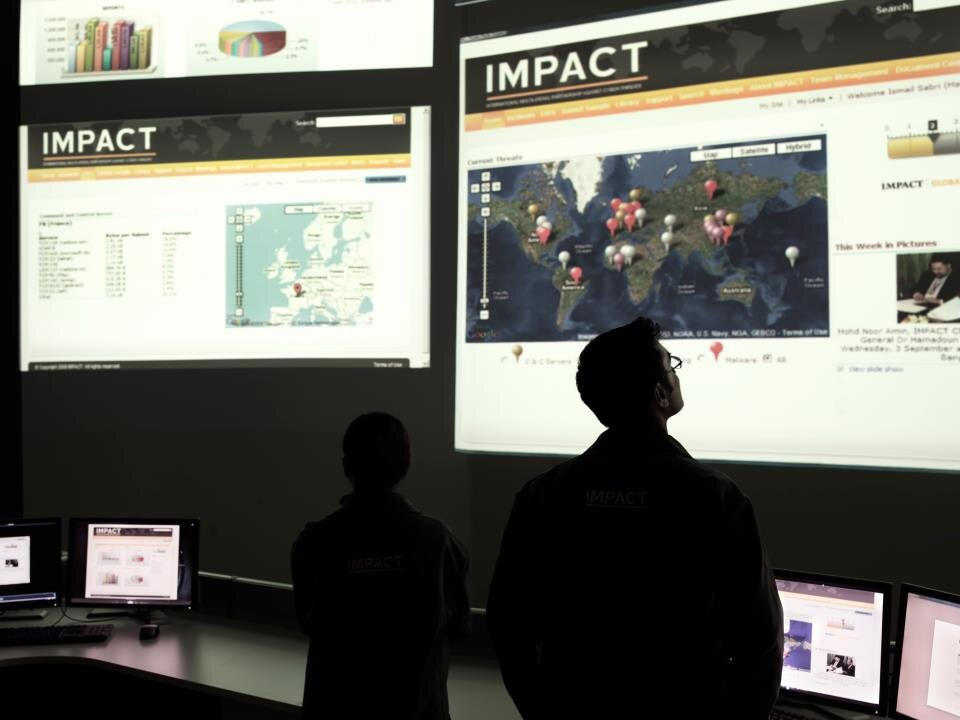
Inside the SOC
A SOC isn't just a room full of computers; it's a structured team with specific roles and responsibilities. The work is typically organized into a tiered system to handle security alerts efficiently. This structure ensures that alerts are addressed by analysts with the right level of expertise.
Tier 1 Analysts are the first line of defense. They monitor the endless stream of alerts from security tools. Their primary job is to perform triage: quickly assess each alert, filter out the false positives, and deal with low-level incidents using predefined procedures, or "playbooks." If an alert looks serious, they escalate it to the next level.
Tier 1 SOC analysts serve as the first line of defense, focusing on:Monitoring security alerts from various detection systems (SIEM, EDR, NDR, etc.)Performing initial assessment and prioritization of alertsDocumenting basic findingsEscalating legitimate threats to higher tiersFollowing established playbooks for common security scenarios
Tier 2 Analysts are incident responders. When a Tier 1 analyst escalates a legitimate threat, the Tier 2 team takes over. They conduct deeper investigations to understand the scope of the attack, how it happened, and what systems are affected. They have more experience and use more advanced tools to analyze the threat and coordinate the response to contain it.
Tier 3 Analysts are the expert threat hunters. These are the most senior analysts in the SOC. They don't just wait for alerts; they proactively search for hidden vulnerabilities and advanced threats that might have slipped past automated defenses. They perform in-depth forensic analysis, reverse-engineer malware, and stay up-to-date on the latest attack techniques to improve the organization's overall security posture.
Why Every Organization Needs a SOC
In today's digital world, cyber threats are constant and always evolving. A SOC provides a centralized, coordinated defense against these threats. Without one, an organization's security efforts can be scattered and reactive, leaving them vulnerable.
A SOC provides several key benefits:
- Continuous Monitoring: Threats don't operate on a 9-to-5 schedule. A SOC provides 24/7 vigilance.
- Centralized Visibility: It consolidates security data from across the entire organization into one place, making it easier to spot trends and identify threats.
- Specialized Expertise: SOC analysts are security specialists. They bring a level of skill and focus that a general IT team might not have.
- Faster Response: By detecting threats early and having a clear process for response, a SOC significantly reduces the time it takes to stop an attack, minimizing potential damage.
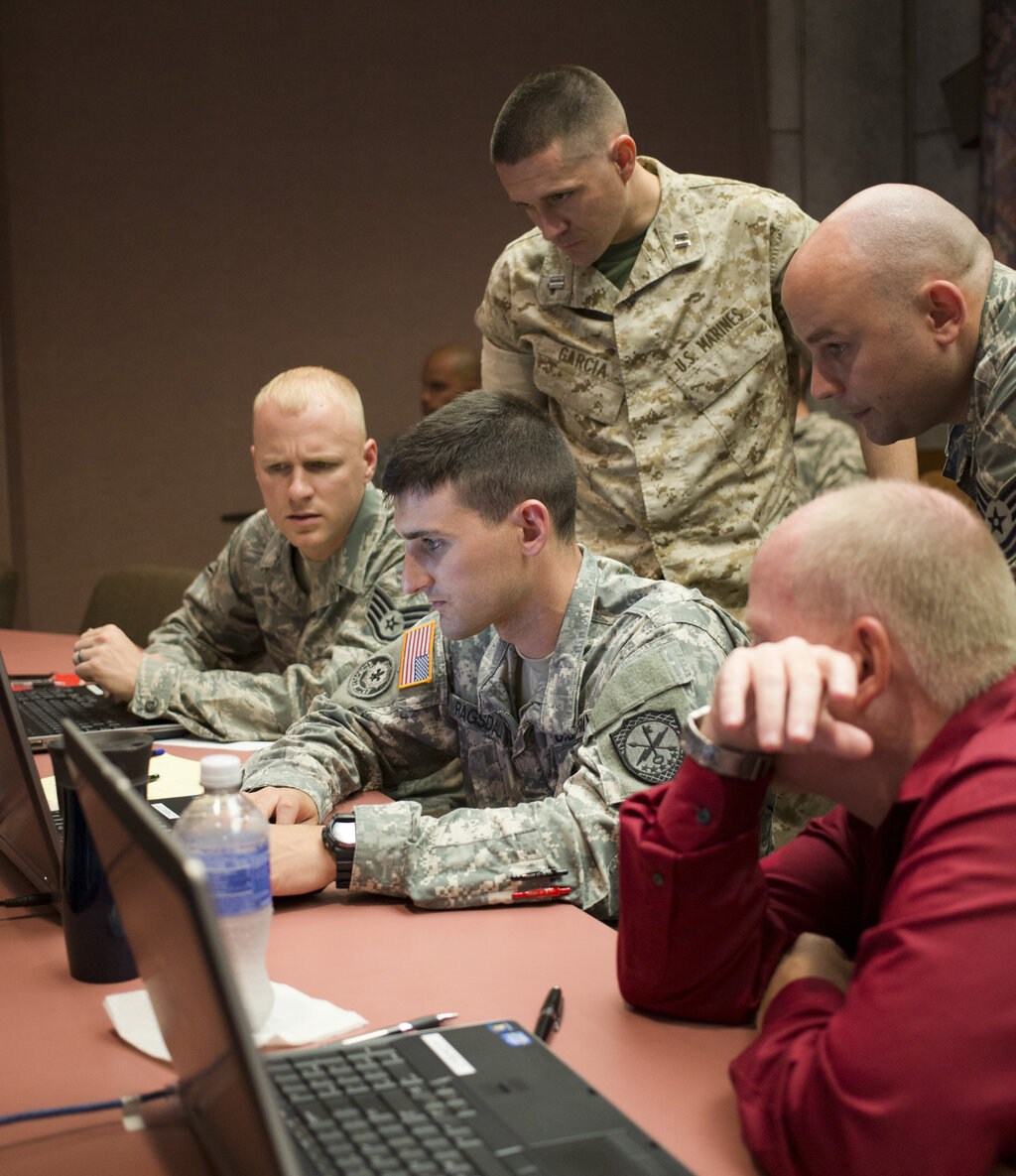
Ultimately, a SOC is a critical investment in an organization's resilience. It's the people, processes, and technology working together to protect sensitive information and ensure business continuity.
A mature and effective Security Operations Center (SOC) relies on three foundational pillars: People, Process, and Technology.
Now that you understand the fundamentals of a SOC, let's test your knowledge.
What is the primary function of a Security Operations Center (SOC)?
In the tiered structure of a SOC, which analyst is responsible for the initial triage of security alerts?
Understanding the role and structure of a SOC is the first step toward a career in cybersecurity defense.