Crypto Tech vs Hype
Introduction to Cryptocurrencies
What Is Cryptocurrency?
Cryptocurrency is a type of digital money. Unlike the dollars or euros in your bank account, it doesn't exist in any physical form. It's purely virtual, and it uses a special kind of technology to stay secure.
cryptography
noun
The art of writing or solving codes. In cryptocurrency, it's used to secure transactions and control the creation of new units.
The key feature of most cryptocurrencies is that they are decentralized. This means they aren't controlled by any single entity, like a government or a bank. Instead, transactions are verified and recorded by a network of computers spread across the globe.
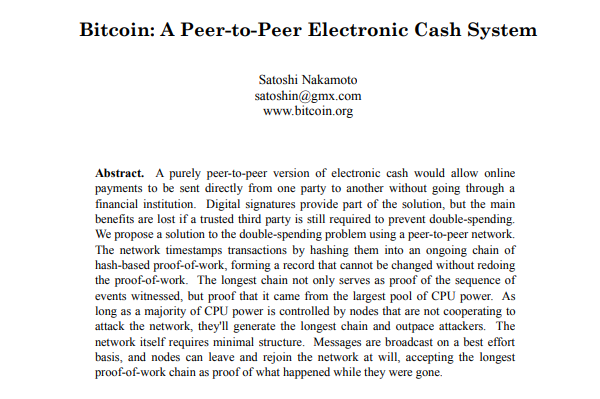
The story of cryptocurrency starts in 2009 with Bitcoin. Created by an anonymous person or group known as Satoshi Nakamoto, Bitcoin was the first decentralized digital currency. It introduced a new way to send value from one person to another without needing a middleman.
The Technology Behind It
So how does a decentralized currency actually work? The magic is in a technology called blockchain.
At the core of cryptocurrency lies in blockchain technology, a decentralized ledger that tracks and records all transactions within a peer-to-peer network.
Imagine a shared digital notebook that anyone on the network can see. Every time a transaction happens, a record of it—called a "block"—is added to the notebook. Each new block is cryptographically linked to the one before it, creating a chain of blocks. This is the blockchain.
Once a block is added to the chain, it's incredibly difficult to change or remove. This makes the ledger permanent and transparent. This structure is what keeps the network secure without a central authority.
Different Kinds of Crypto
While Bitcoin was the first, thousands of other cryptocurrencies have been created since. They generally fall into a few main categories.

The major types you'll encounter are Bitcoin, altcoins, and stablecoins.
| Type | Example(s) | Key Feature |
|---|---|---|
| Bitcoin | Bitcoin (BTC) | The original cryptocurrency; often seen as a store of value, like digital gold. |
| Altcoins | Ethereum (ETH), Solana (SOL) | Any crypto other than Bitcoin. Many, like Ethereum, support smart contracts and apps. |
| Stablecoins | Tether (USDT), USD Coin (USDC) | Designed to have a stable value by being pegged to an asset like the U.S. dollar. |
Altcoins, short for "alternative coins," represent a huge and diverse part of the crypto world. Ethereum, the second-largest cryptocurrency, is an altcoin that introduced the idea of "smart contracts"—self-executing contracts with the terms of the agreement written directly into code.
Crypto's Place in Finance
Cryptocurrencies are changing how we think about money and finance. They offer an alternative to the traditional system, where banks and governments are in charge. For some, crypto provides access to financial services in places where traditional banking is hard to come by. Transactions can also be faster and cheaper, especially across borders, because they cut out the middlemen.
Many people also view cryptocurrencies as an investment. Like stocks or real estate, their value can go up or down. This volatility makes them risky, but it also creates opportunities. As the technology matures, cryptocurrencies are finding more uses, from powering decentralized applications to creating new forms of digital ownership with NFTs (Non-Fungible Tokens).
Now, let's review some of the key terms we've covered.
Ready to test your knowledge? Let's see what you've learned.
What is the key feature that distinguishes most cryptocurrencies from traditional currencies like the US Dollar or the Euro?
What is the name of the technology that acts as a shared, permanent digital ledger for most cryptocurrencies?
Understanding these basics is the first step. You now have a foundation for exploring the purpose, technology, and different types of projects in the crypto space.