Crypto Tech Versus Hype
Introduction to Cryptocurrencies
What Is Cryptocurrency?
Cryptocurrency is a type of digital or virtual money. Think of it like the cash in your wallet, but it only exists online. What makes it special is its use of cryptography, a method of protecting information through complex codes. This ensures that transactions are secure and that new units of the currency can't be created out of thin air.
Cryptocurrency
noun
A digital or virtual currency that uses cryptography for security and operates independently of a central bank.
The main purpose of most cryptocurrencies is to allow people to send and receive payments directly to each other online, without needing a middleman like a bank or a credit card company. This creates a peer-to-peer system for financial transactions.
The Technology Behind It
So how does it all work without a bank keeping track of everything? The answer lies in a technology called blockchain.
Blockchain is the foundational technology on which most cryptocurrencies are built.
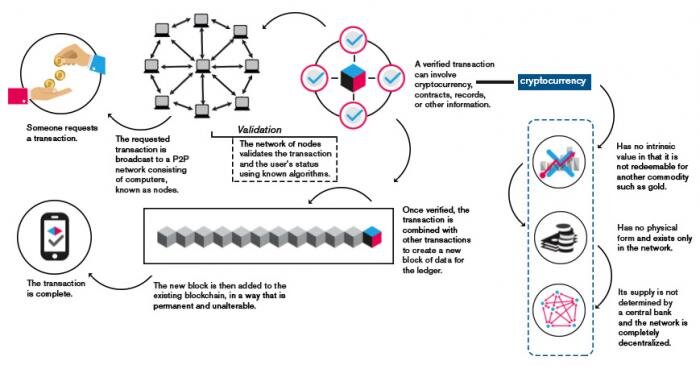
Imagine a digital notebook that is shared among a huge network of computers. Every time someone makes a transaction, it's recorded as a new entry, or a “block,” in this notebook. This new block is then linked to the previous one, forming a “chain.”
Once a block is added to the chain, it's incredibly difficult to change. Because the notebook is distributed across many computers, anyone trying to alter a record would have to change it on thousands of systems at once, which is nearly impossible. This makes the blockchain a very secure and transparent ledger of all transactions.
Why Decentralization Matters
Traditional financial systems, like the one you use every day, are centralized. A bank or government controls your money and verifies your transactions. They have the final say.
Cryptocurrencies, on the other hand, are typically decentralized. This means they aren’t controlled by any single company, government, or person. The power is distributed among all the users on the network.
Decentralization removes the single point of control. Instead of relying on one entity, the network relies on the collective agreement of its participants.
This structure is what allows for peer-to-peer transactions. When you send cryptocurrency to someone, it goes directly from your digital wallet to theirs. There's no bank needed to approve the transfer, which can make transactions faster and potentially cheaper, especially across borders.
Meet the Pioneers
While there are thousands of different cryptocurrencies, two stand out for their impact and innovation.
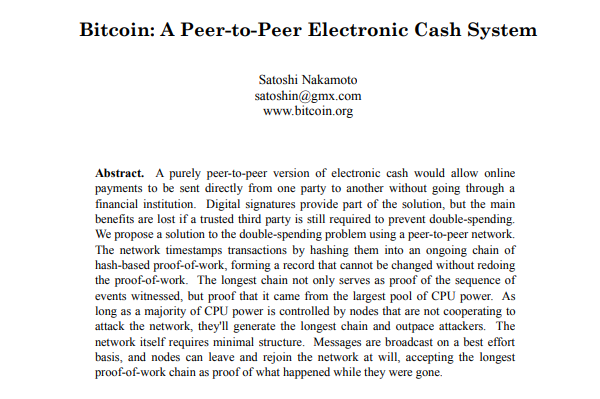
Bitcoin (BTC) was the very first cryptocurrency, created in 2009 by an anonymous person or group known as Satoshi Nakamoto. Its goal was simple: to be a “peer-to-peer electronic cash system.” It proved that a decentralized digital currency could work.
Ethereum (ETH) came along in 2015. It did more than just create a digital currency. Ethereum is a blockchain platform that allows developers to build and run “smart contracts” and decentralized applications (dApps). Think of it less as just money and more as a foundation for a new kind of internet, where applications aren't run by a single company.
| Cryptocurrency | Primary Purpose |
|---|---|
| Bitcoin (BTC) | A peer-to-peer digital currency for payments. |
| Ethereum (ETH) | A platform for smart contracts and decentralized apps. |
Now that you have a handle on the basics, let's test your knowledge.
What is the primary technology that underpins most cryptocurrencies like Bitcoin?
In a decentralized system, who or what has the ultimate control over the network?
Understanding these core concepts is the first step in navigating the world of digital currencies.