Crafting a Winning Pitch Deck
Understanding Pitch Decks
What Is a Pitch Deck?
A pitch deck is a short presentation, often created with slides, that gives a quick overview of your business plan. Think of it as your company's highlight reel. It’s not meant to answer every single question an investor might have. Instead, its main goal is to spark interest and secure a follow-up meeting.
A pitch deck is a brief presentation with visual elements that you use to provide a quick overview of your business plan to potential investors.
For many entrepreneurs, the pitch deck is the first real point of contact with potential investors. A strong deck can open doors, while a weak one can close them just as quickly. It's your chance to tell a compelling story about your business, showing not just what you do, but why it matters.

The Core Components
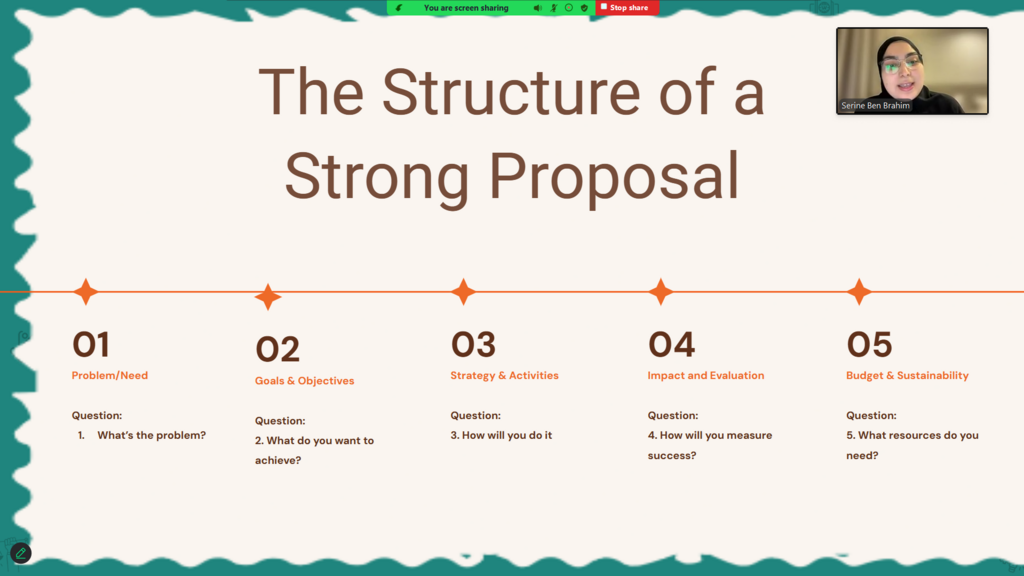
While every pitch deck is unique, most successful ones follow a similar structure. They tell a story that walks investors through the essential aspects of the business in a logical flow. Let's break down the key slides you'll need.
Your deck should tell a cohesive story, showing how your idea is solving a real problem, how your team is capable of executing the solution, and how you plan to grow the business.
1. The Problem This is where it all starts. Clearly define the pain point or problem your business exists to solve. A compelling problem creates an immediate connection with your audience and sets the stage for your solution. Make it relatable and significant.
2. The Solution Now, introduce your product or service as the hero. Explain how it solves the problem you just outlined. Keep it simple and focus on the core value you provide to customers. Avoid getting bogged down in technical jargon.
3. Market Analysis Who are your customers, and how many of them are there? This section shows investors the size of the opportunity. You need to demonstrate that there's a large and growing market for your solution. This proves your idea has real potential.
4. Business Model How will you make money? This slide explains your revenue streams. Whether it's through subscriptions, direct sales, or advertising, be clear about how your business will generate income. This is fundamental to showing your company's viability.
5. Financial Projections Investors want to see the numbers. Provide realistic financial projections for the next three to five years. This includes your expected revenue, expenses, and key metrics. It shows you've thought through the financial side of the business and have a plan for growth.
6. The Team Why are you and your team the right people to build this business? Highlight the relevant experience and expertise of your key team members. Investors often bet on the team as much as the idea itself.
7. The Ask Be direct. Clearly state how much funding you are seeking and how you plan to use it. This is often called the "funding request." Explain what milestones you'll achieve with the capital, such as developing a new feature, expanding to a new market, or hiring key personnel.
| Component | Purpose |
|---|---|
| Problem | Define the pain point you are solving. |
| Solution | Explain how your product or service helps. |
| Market | Show the size of the customer base and opportunity. |
| Business Model | Describe how your company makes money. |
| Financials | Project future revenue and growth. |
| Team | Introduce the key people behind the idea. |
| The Ask | State how much funding you need and why. |
With these key elements in place, you have the foundation for a pitch deck that can capture attention and start conversations. Now, let's test your understanding.
What is the primary goal of a pitch deck?
Which section of the pitch deck explains how the company will generate revenue?
Mastering these core components is the first step toward creating a pitch deck that effectively communicates your vision and convinces others to join you on your journey.