Crafting a Winning Pitch Deck
Understanding Pitch Decks
What Is a Pitch Deck?
A pitch deck is a brief presentation, often created using software like PowerPoint or Keynote, that gives your audience a quick overview of your business plan. Think of it as a movie trailer for your company. It’s not the full movie; its job is to get potential investors excited enough to want a second meeting where you can dive into the details.
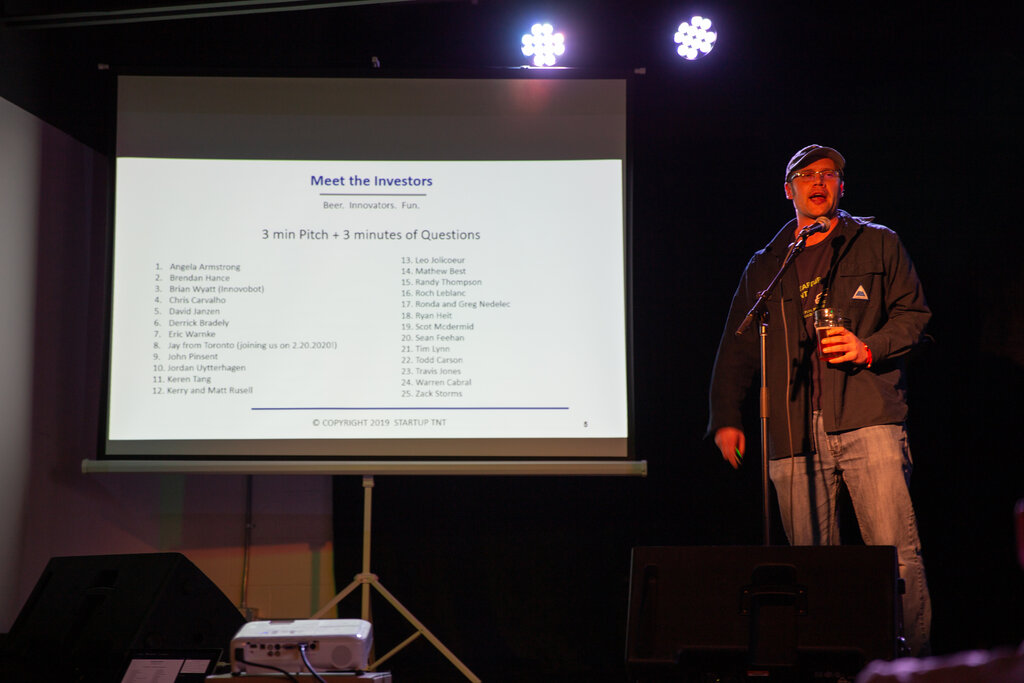
Whether you're seeking seed funding from venture capitalists or trying to get approval for a new project inside a large company, the pitch deck is your essential tool. It forces you to distill your complex ideas into a simple, compelling story. Most investors review hundreds of decks, so yours needs to be clear, concise, and persuasive from the very first slide.
A perfect pitch — more specifically, a perfect pitch deck — can mean all the difference for a founder looking for funding.
The primary goal isn't to answer every possible question. It’s to spark interest and start a conversation. A great deck communicates your vision and convinces the audience that your idea is worth their time and money.
The Core Story
The best pitch decks tell a story. They don't just present facts and figures; they weave them into a narrative that's easy to follow and emotionally engaging. This story usually follows a simple, powerful structure that investors are trained to recognize.
First, you establish a clear and painful problem that a specific group of people faces. Make it relatable and significant. Then, you introduce your solution—your product or service—as the unique and effective answer to that problem. Finally, you describe the opportunity, showing that the market for your solution is large and growing, which promises a great return on investment.
Key Components
While the story provides the framework, the individual slides provide the substance. Most successful pitch decks contain a similar set of core components. Each slide should have a single, clear purpose and contribute to the overall narrative. Here are the must-haves:
| Slide | Purpose |
|---|---|
| Problem | Describe the pain point you are solving. Who has this problem? |
| Solution | Explain how your product or service solves the problem. |
| Market Size | Show how big the potential market is. How many people need this? |
| Product | Show your product in action. Screenshots, demos, or prototypes work well. |
| Business Model | How will you make money? (e.g., subscriptions, sales, ads) |
| Traction | What have you accomplished so far? (e.g., users, revenue, key partnerships) |
| Team | Introduce the key team members and why they are the right people for this. |
| Competition | Who are your competitors and what is your unique advantage? |
| Financials | High-level financial projections for the next 3-5 years. |
| The Ask | How much money are you raising and what will you use it for? |
You don't need to be a design expert, but the deck should look professional and be easy to read. Use clear headlines, minimal text, and strong visuals. Remember, investors spend just a few minutes on each deck, so every slide counts.
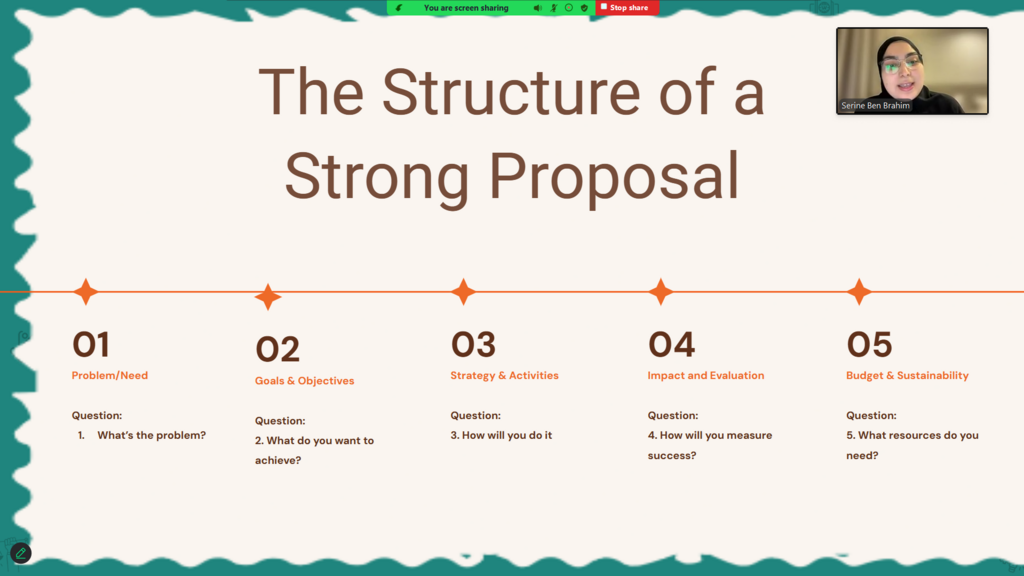
Let's review the key ideas we've just covered.
Ready to test your knowledge?
What is the primary goal of a pitch deck?
A great pitch deck tells a story. What is the core narrative structure that investors are trained to recognize?
With these fundamentals in mind, you have a solid foundation for understanding how startups and innovators communicate their ideas to secure the resources they need to grow.