CPM Advertising Explained
Introduction to Advertising Metrics
Measuring Your Reach
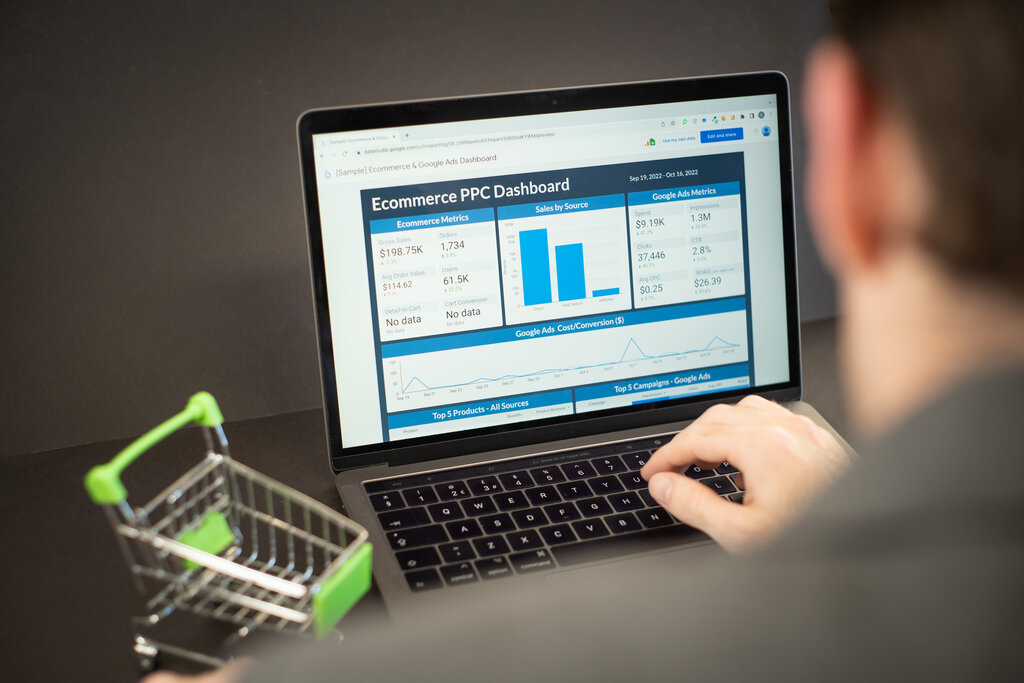
How do you know if an ad is successful? You could guess, but a much better way is to measure its performance. In digital advertising, everything is trackable. Metrics are the tools you use to see what's working, what's not, and where your money is going.
Think of it like checking the dashboard in your car. The speedometer tells you how fast you're going, and the fuel gauge shows how much gas you have left. Advertising metrics do the same thing for your campaigns, providing vital signs that tell you about their health and performance.
Cost Per Mille (CPM)
noun
The price an advertiser pays for one thousand views or impressions of an advertisement.
One of the most common metrics is Cost Per Mille, or CPM. "Mille" is Latin for thousand, so CPM is the cost you pay for one thousand people to see your ad. This is often called an "impression." It doesn't matter if they click it, buy something, or even remember it. If the ad was displayed on their screen, it counts as one impression.
This pricing model is all about awareness. It's perfect for campaigns where the main goal is to get a brand's name or a new product in front of as many eyes as possible. You're paying for exposure.
For example, if you spend 💲50 on an ad campaign and it gets 10,000 impressions, your CPM is 💲5. You paid 💲5 for every 1,000 people who saw your ad.
Clicks vs. Actions
While CPM is great for measuring eyeballs, sometimes you need to know more. What if your goal isn't just to be seen, but to get people to visit your website? That's where other models come in.
Cost Per Click (CPC) is exactly what it sounds like. You pay each time someone clicks on your ad. This model is focused on engagement. It's a step beyond just seeing the ad; the user has taken an action to learn more. It's a great way to measure how well your ad convinces people to take the next step.
Cost Per Action (CPA) goes even deeper. With this model, you only pay when a user performs a specific, valuable action. This could be making a purchase, signing up for a newsletter, or downloading an app. CPA is focused on conversions, which are often the ultimate goal of an ad campaign. It directly ties your spending to tangible results.
| Metric | What You Pay For | Best For |
|---|---|---|
| CPM | 1,000 impressions | Brand awareness, visibility |
| CPC | A single click | Driving traffic, engagement |
| CPA | A specific action (e.g., sale) | Conversions, lead generation |
Choosing the right model depends entirely on your goal. If you're launching a new soda and just want everyone to know its name, CPM is your best friend. If you're an online store trying to sell a specific product, CPA might be a more efficient use of your budget. Each metric tells a different part of the story.
Use metrics to understand what marketing tactics are worth spending time and money on, and which aren’t.
Let's check your understanding of these core concepts.
An online shoe retailer wants to run a campaign where they only pay when a customer actually buys a pair of shoes after clicking an ad. Which pricing model best fits this specific goal?
What does the 'M' in 'CPM' stand for?
Understanding these basic metrics is the first step toward building and managing effective advertising campaigns.