Copyright Essentials for Media Use
Introduction to Copyright
What Is Copyright?
Copyright is a legal tool that protects original works of authorship. Think of it as a set of rights automatically given to someone who creates something new, whether it's a song, a book, a photograph, or a piece of software. It happens the moment the work is created and fixed in a tangible form, like being written down or recorded.
Copyright
noun
A form of intellectual property law that protects original works of authorship once the work is fixed in a tangible form of expression.
The main purpose of copyright is to encourage creativity. By giving creators exclusive control over their work for a limited time, the law allows them to benefit from their efforts. This incentive helps fuel the creation of new art, literature, music, and more, which ultimately enriches public culture.
Copyright law is intended to encourage people to create new works.
What Copyright Protects
Copyright doesn't protect just any idea. It protects the specific expression of an idea. For example, the idea of a boy wizard who goes to a special school is not protected by copyright. However, the specific books written about Harry Potter, with their unique characters, plot points, and sentences, are protected.
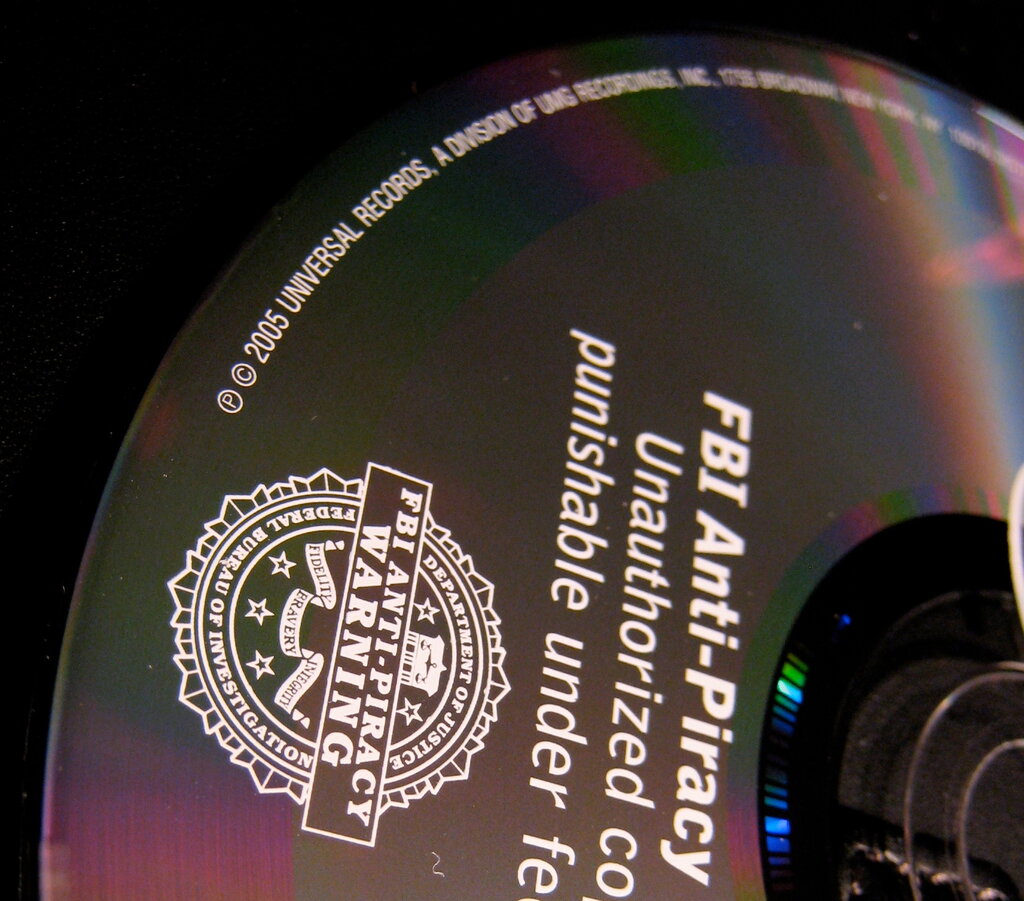
This protection applies to a wide range of creative works, as long as they are fixed in a tangible medium. This includes:
- Literary works: Books, poems, articles, and computer code.
- Musical works: Compositions and lyrics.
- Dramatic works: Plays, screenplays, and scripts.
- Pictorial, graphic, and sculptural works: Photographs, paintings, drawings, and sculptures.
- Audiovisual works: Movies, television shows, and online videos.
- Sound recordings: The specific recording of a song or spoken word.
- Architectural works: Building designs.
A key distinction: Copyright law protects the expression of ideas, not the ideas themselves.
A Creator's Exclusive Rights
When someone holds a copyright, they get a “bundle” of exclusive rights. This means they are the only one who can legally do certain things with the work, unless they give permission to someone else. If anyone else does these things without permission, they may be infringing on the copyright.
These exclusive rights include the right to:
- Reproduce the work (make copies).
- Create derivative works based on the original (like a movie based on a book).
- Distribute copies to the public.
- Perform the work publicly (for plays, music, etc.).
- Display the work publicly (for visual art).

Think of it like owning a piece of property. The owner decides who is allowed to come onto their land, build on it, or sell it. Similarly, a copyright holder decides who gets to copy, adapt, or share their creative work.
How Long Does It Last?
Copyright protection doesn't last forever. The duration has changed over the years, but a general rule in the United States and many other countries is that protection lasts for the entire life of the creator plus an additional 70 years.
For works made by a corporation (a “work made for hire”), the term is typically 95 years from the date of publication or 120 years from the date of creation, whichever is shorter.
This long period ensures that creators and their heirs can benefit from the work for a meaningful amount of time. Once the copyright term expires, the work enters the public domain, which means it is free for anyone to use for any purpose. We'll explore that concept in more detail later.
When does copyright protection for a creative work, like a song or a novel, officially begin?
Copyright law protects the specific expression of an idea, but not the idea itself.
Understanding these core principles is the first step in responsibly using creative works.