Conversational Bengali Sylheti Dialect
Sylheti Language Overview
Meet Sylheti
Welcome to Sylheti, a vibrant language spoken by millions. While it shares roots with Bengali, Sylheti has its own distinct identity, history, and flavor. Think of them as cousins in the same language family. They understand each other to some extent, but they have different accents, unique words, and their own ways of saying things.
Learning Sylheti opens a door to a rich culture and a warm community, whether you're connecting with family, friends, or neighbors.
Where in the World is Sylheti?
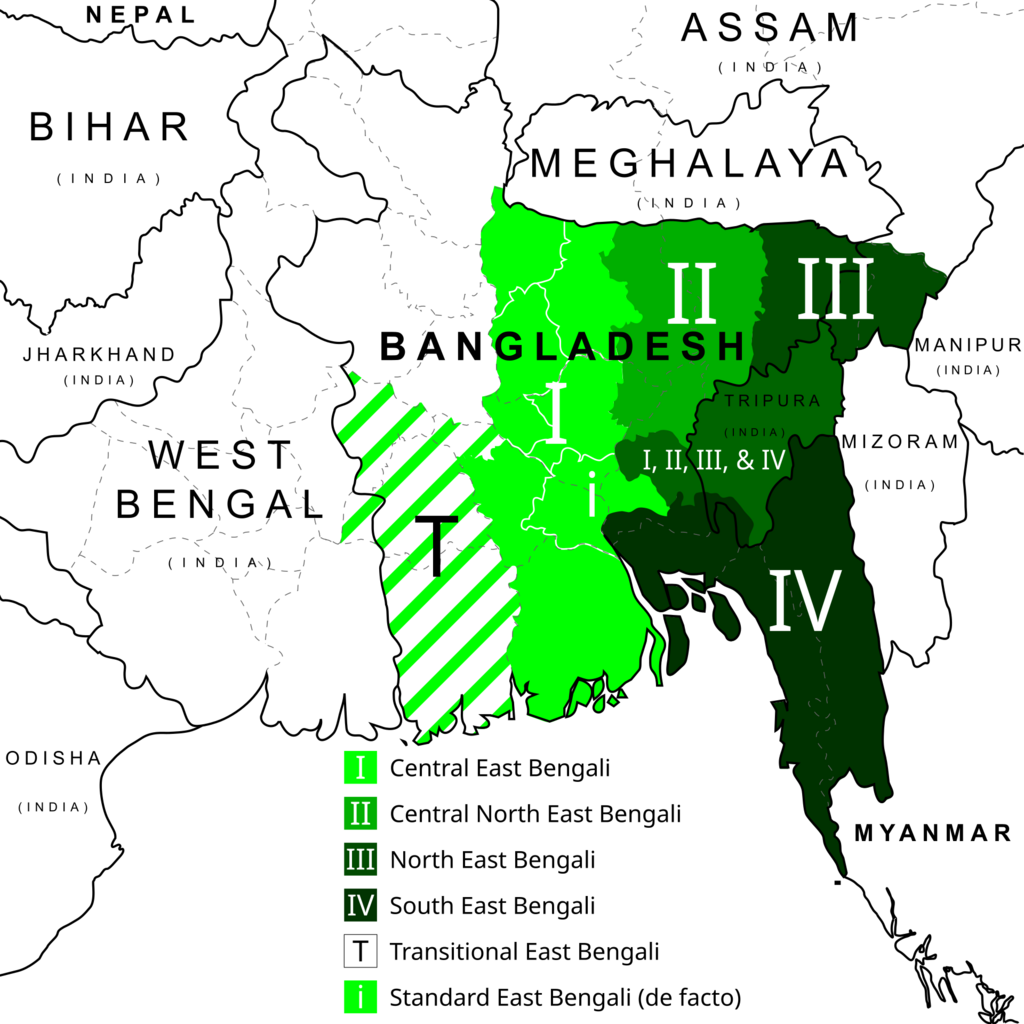
Sylheti's heartland is the Sylhet Division of northeastern Bangladesh, a region famous for its tea gardens and lush landscapes. It's also the primary language in the Barak Valley of Assam, India, and parts of the state of Tripura.
But the story doesn't end there. Sylheti speakers have traveled the world, creating large and influential communities far from home. The United Kingdom, particularly in cities like London (especially around Brick Lane), Oldham, and Birmingham, has a massive Sylheti-speaking population. You'll also find thriving communities in the United States, Canada, and the Middle East. It’s a local language with a truly global reach.
A Language with Deep Roots
Sylheti is an Eastern Indo-Aryan language with a history stretching back centuries. It evolved in the ancient region of Srihatta (Sylhet), developing its own unique sounds and words. For a long time, it was the primary language of administration, trade, and culture in the region.
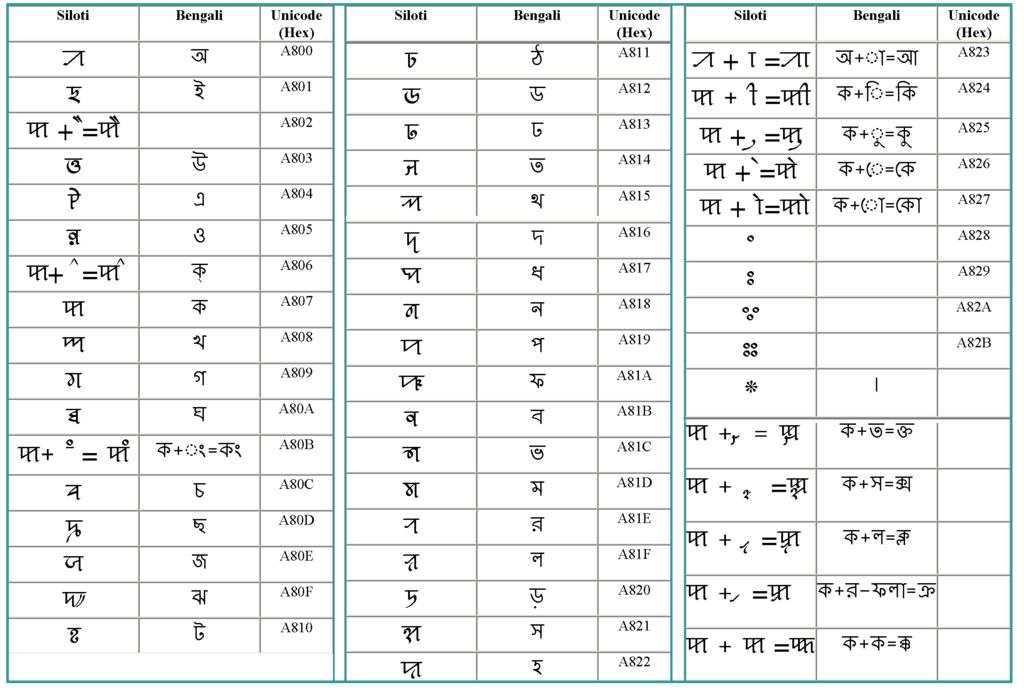
One of the most fascinating parts of its history is its unique writing system: the Sylheti Nagri script. Though not widely used today (most speakers use the Bengali script), it was used for centuries to write everything from poetry to religious texts. This script is a powerful symbol of Sylheti’s distinct historical identity.
Sylheti vs. Bengali
So, what makes Sylheti different from Standard Bengali? The main differences are in pronunciation and vocabulary. Think of the difference between British and American English—mostly the same language, but with noticeable variations.
A Bengali speaker might say shunun (শুনুন) for "listen," but a Sylheti speaker would say hunoin (শুনইন). The Bengali word for fish, machh (মাছ), becomes mas (মাস) in Sylheti.
Many everyday words are also completely different. The word for "boy" in Bengali is chhele (ছেলে), but in Sylheti, it's fua (ফুয়া). These small but significant differences are what give Sylheti its unique character. While speakers of both languages can often understand the gist of a conversation, mastering these distinctions is key to speaking Sylheti naturally.
Language is more than just words; it's a core part of identity. For Sylheti speakers, their language is a source of pride and a vital connection to their heritage and community, wherever they are in the world. Speaking it is a way of preserving culture and strengthening family bonds. By learning it, you're not just learning a dialect, but embracing a rich cultural tradition.