Contract Drafting Essentials
Introduction to Contracts
What Is a Contract?
At its heart, a contract is a promise the law will enforce. It’s an agreement between two or more people that creates a legal obligation to do something, or to refrain from doing something. While we often picture a formal document full of dense legal text, a contract can be as simple as a verbal agreement.

The key is that it’s legally binding. If one person fails to uphold their end of the bargain, the other person can turn to the legal system for help. This system provides a framework to ensure that promises are kept, which is fundamental to how business and society function.
The Four Key Ingredients
For a simple promise to become a legally enforceable contract, it needs four essential elements. Think of them as the ingredients in a recipe. If one is missing, you don't have a valid contract.
Mutual Assent + Consideration + Capacity + Legality = A Valid Contract
Let's break down each one.
1. Mutual Assent
This is the "meeting of the minds." It means both parties have agreed to the same terms. This is usually demonstrated through a clear offer from one party and a clear acceptance from the other. For example, if I say, "I'll paint your fence for $100," that's an offer. If you say, "You've got a deal," that's an acceptance. We now have mutual assent.
Consideration
noun
Something of value exchanged between the parties to a contract. It can be money, goods, services, or a promise to do or not do something.
2. Consideration
This is what each party gives and gets. It’s the value that convinces the parties to enter into the contract. In our fence-painting example, my consideration is the service of painting, and your consideration is the $100 payment. It must be a two-way street; a one-sided promise is typically just a gift, not a contract.
Consideration is the element that distinguishes a mere promise from a legally binding contract.
3. Capacity
Both parties must have the legal ability, or capacity, to enter into a contract. This generally means they must be of legal age (usually 18) and of sound mind. The law protects certain groups, like minors and individuals who are mentally incapacitated, by presuming they may not fully understand the obligations they're taking on. Contracts made with someone who lacks capacity are often voidable.
4. Legality
Finally, the purpose of the contract must be legal. You can't create an enforceable contract to perform an illegal act. A court will not help someone enforce a contract to rob a bank or sell illegal drugs. The agreement must abide by the law to be considered valid.
The Rules of the Game
The principles that govern contracts come from a mix of sources. For centuries, contract law developed through court decisions, creating a body of rules known as the common law. This judge-made law still governs many types of contracts, especially those for services, real estate, and employment.
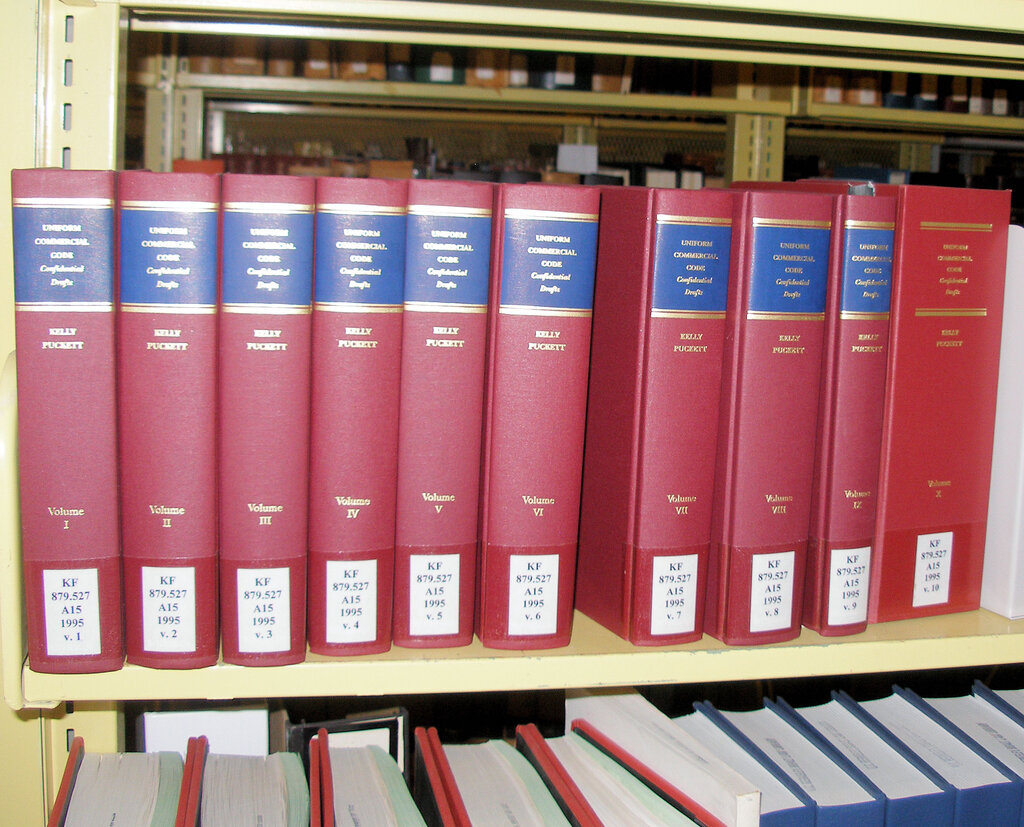
Additionally, specific laws, or statutes, have been passed to regulate certain kinds of agreements. The most significant is the Uniform Commercial Code (UCC), which provides a consistent set of rules for contracts involving the sale of goods.
Together, these principles ensure fairness and predictability. They provide a clear framework for what makes a promise enforceable and what happens when a promise is broken, which is what gives contracts their power.
Now, let's test your understanding of these foundational ideas.
What is the primary characteristic that makes a promise a legally enforceable contract?
A 16-year-old, otherwise of sound mind, signs a contract to purchase a new car. Which essential element of a contract might be missing, making the contract potentially voidable?
Understanding these core components is the first step toward working with any contract. With this foundation, you can begin to see how agreements are structured and why they are so vital.