Conquering Imposter Syndrome in New Roles
Understanding Imposter Syndrome
The Feeling of Being a Fraud
Ever felt like you've somehow tricked everyone into thinking you're more capable than you really are? That any minute, someone will tap you on the shoulder and expose you as a phony? This nagging fear has a name: imposter syndrome.
Imposter Syndrome
noun
A psychological pattern in which an individual doubts their skills, talents, or accomplishments and has a persistent internalized fear of being exposed as a fraud.
It’s not about a lack of self-esteem. People with imposter syndrome are often high-achievers. The problem isn't a failure to accomplish things; it's a failure to internalize those accomplishments. Successes are often dismissed as luck, good timing, or the result of misleading others. There's a constant, stressful gap between how others see you and how you see yourself.
When you’re experiencing imposter phenomenon, you live your life feeling that at any moment, the world will realize you’re not as smart, successful, or competent as they think you are.
A Common Companion in New Territory
These feelings often spike during times of transition. Starting a new job, taking on a leadership role, or changing careers are prime moments for imposter syndrome to appear. When you step into a situation where you're expected to be competent but still feel like you're learning the ropes, it’s easy to feel like an outsider who doesn’t belong.
Imposter syndrome is a reasonable reaction to the challenge of changing careers.
The impact isn't just a little self-doubt. It can take a real toll on your mental health, fueling anxiety, stress, and even burnout. Professionally, it can be paralyzing. Someone experiencing imposter syndrome might over-prepare for tasks to a debilitating degree, procrastinate on projects out of fear of not meeting expectations, or shy away from new opportunities they feel unqualified for.
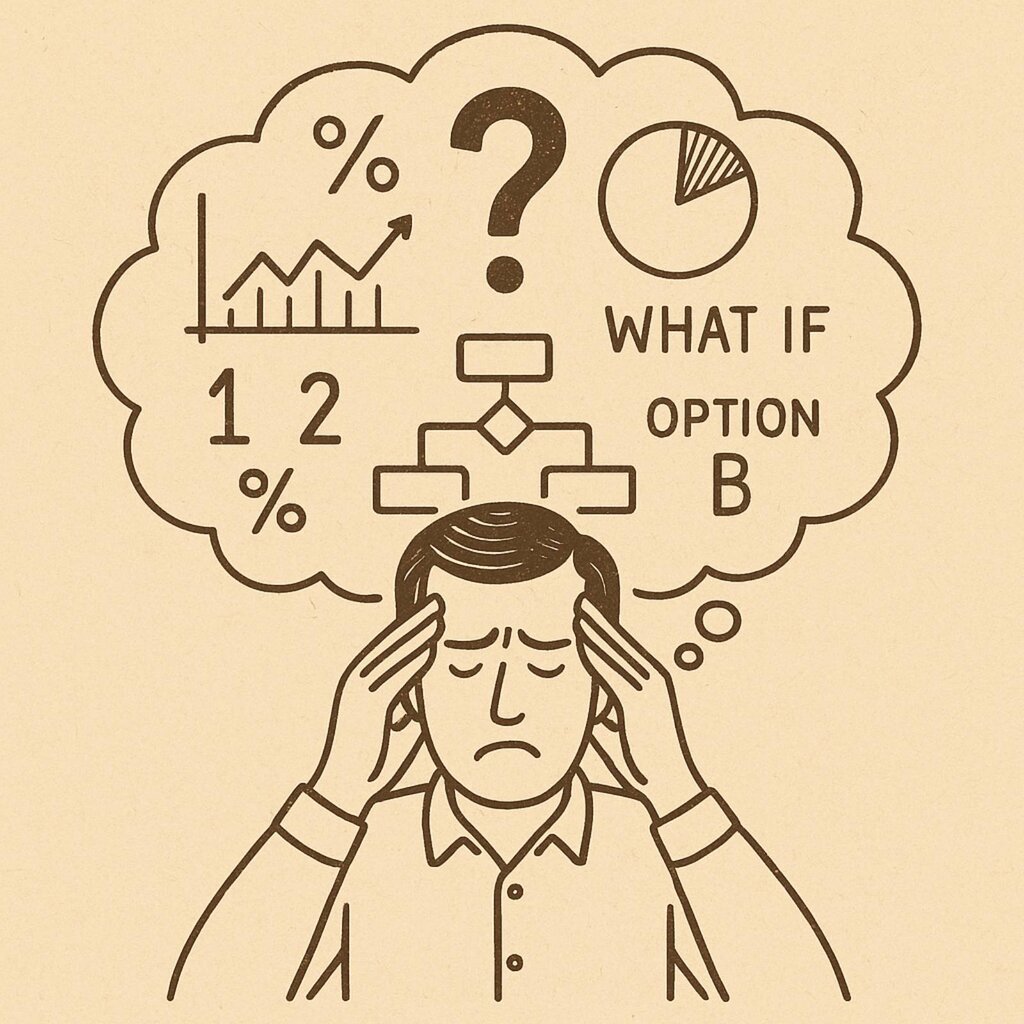
The Many Faces of Imposter Syndrome
Imposter syndrome doesn't look the same for everyone. It often manifests in different ways, leading researchers to identify several common patterns or "types."
| Type | Core Belief | Common Behavior |
|---|---|---|
| The Perfectionist | "If I'm not perfect, I'm a failure." | Sets excessively high goals and feels crushed by any mistake, no matter how small. Focuses on flaws rather than strengths. |
| The Soloist | "I must do everything myself." | Believes that asking for help reveals their incompetence. They refuse assistance to prove their own worth. |
| The Expert | "I need to know everything before I start." | Fears being exposed as inexperienced or unknowledgeable. They constantly seek more training or certifications and may hesitate to apply for a job unless they meet every single qualification. |
Recognizing these patterns in yourself is the first step. Understanding that this is a common, shared experience can help demystify the feeling and begin to separate the feeling of being a fraud from the reality of your capabilities.