Competitive Programming Essentials
Introduction to Competitive Programming
The Sport of Coding
Competitive programming is a mind sport where participants solve complex problems using code. Think of it like a timed math competition, but instead of writing proofs, you're writing programs. The goal is to design and implement algorithms that are not only correct but also incredibly fast and efficient.
Why do people do it? It’s a powerful way to sharpen problem-solving skills, think algorithmically, and get comfortable with a wide range of data structures. The skills you build are directly applicable to technical interviews at major tech companies, making it a popular training ground for aspiring software engineers.
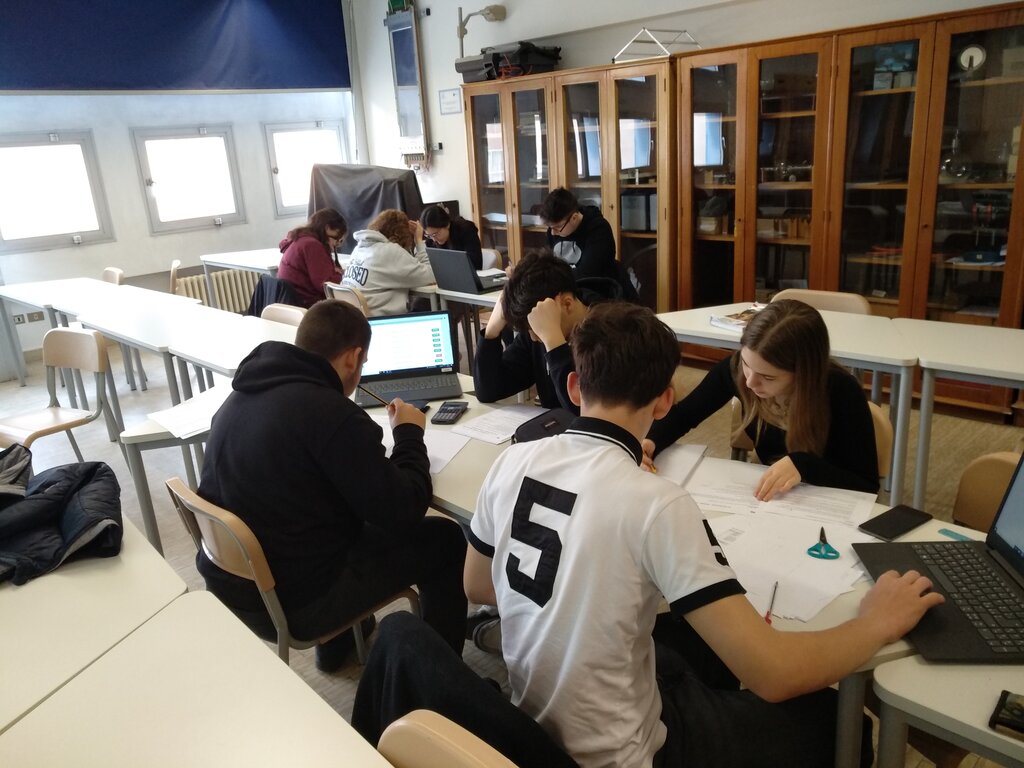
Anatomy of a Contest
Most programming contests follow a similar format. You're given a set of problems, usually between three and eight, and a limited time to solve them, typically a few hours. When you think you have a solution, you submit your code to an online judge.
The judge is an automated system that compiles and runs your code against a suite of hidden test cases. These tests check for correctness, but also for performance. If your code passes all tests within the specified time and memory limits, it's accepted. If not, you get a verdict like "Wrong Answer," "Time Limit Exceeded," or "Runtime Error."
Scoring is often based on the number of problems solved and the time taken. Penalties for incorrect submissions are common, so accuracy is just as important as speed.
Efficiency is Everything
The problems you'll face aren't about building a user interface or a database. They are self-contained logical puzzles. For example, you might be asked to find the shortest route between two points in a network, figure out the optimal way to pack items into a backpack, or count the number of ways to make change for a given amount.
Simply finding a correct answer isn't enough. Your solution must be efficient. This is where time complexity and space complexity come in. Time complexity is a measure of how long an algorithm takes to run as the input size grows, while space complexity measures the amount of memory it uses.
In competitive programming, it’s not enough to write functional code—you need to write optimized code.
A program that takes two seconds to process 100 items might take a full minute for 1,000 items. In a contest, that's too slow. A successful competitor knows how to choose the right algorithm and data structure to create a solution that runs in milliseconds, even on large inputs. Your core toolkit will include fundamental algorithms (like searching and sorting) and data structures (like arrays, trees, and graphs).
Where to Compete
The best way to get started is by practicing on online platforms. These sites host regular contests and have vast archives of past problems to help you learn. They attract a global community of programmers, from beginners to world-class experts.
| Platform | Focus | Contest Style |
|---|---|---|
| Codeforces | Frequent, short contests (2-3 hours) | Ideal for regular practice. Known for a large, active community. |
| Topcoder | Single problem challenges & longer matches | Classic platform with a strong focus on algorithm design. |
| AtCoder | Beginner-friendly & high-level contests | Japanese platform popular for its excellent problem quality. |
| Google Code Jam | Annual multi-round global competition | Prestigious contest with unique, challenging problems. |
| Hacker Cup | Annual global competition by Meta | Features algorithmic problems with a focus on implementation speed. |
Each platform has its own style, but all provide an excellent environment to test your skills, learn new techniques, and see how you stack up against others. The key is to jump in, start solving problems, and learn from each one.
What is the primary goal in competitive programming?
In a typical programming contest, what is the role of the "online judge"?
Ready to get started? The journey into competitive programming is challenging but incredibly rewarding. It fundamentally changes the way you approach problems.