Commercial Construction Specialty Trades
Introduction to Specialty Trades
The Specialists on Site
Think of a commercial construction project like building a human body. You have the skeleton (structural steel), the skin (exterior walls), but you also need the complex systems inside: the circulatory, respiratory, and nervous systems. In construction, these vital systems are handled by specialty trades.
Specialty trade contractors are experts who focus on a specific component of a building. While a general contractor oversees the entire project, they hire these specialists to design, install, and maintain the critical systems that make a building functional and safe. From the wires in the walls to the pipes under the floor, their work is everywhere, even if it's often invisible once the project is finished.
The Core Trades
While there are dozens of specialty trades, a few are fundamental to nearly every commercial building. These are the trades that bring power, water, and comfort to a structure.
Electricians design and install the entire electrical system. This includes running wires, installing breaker boxes, connecting power outlets, and setting up lighting systems. Without them, a building is just a dark, silent shell.
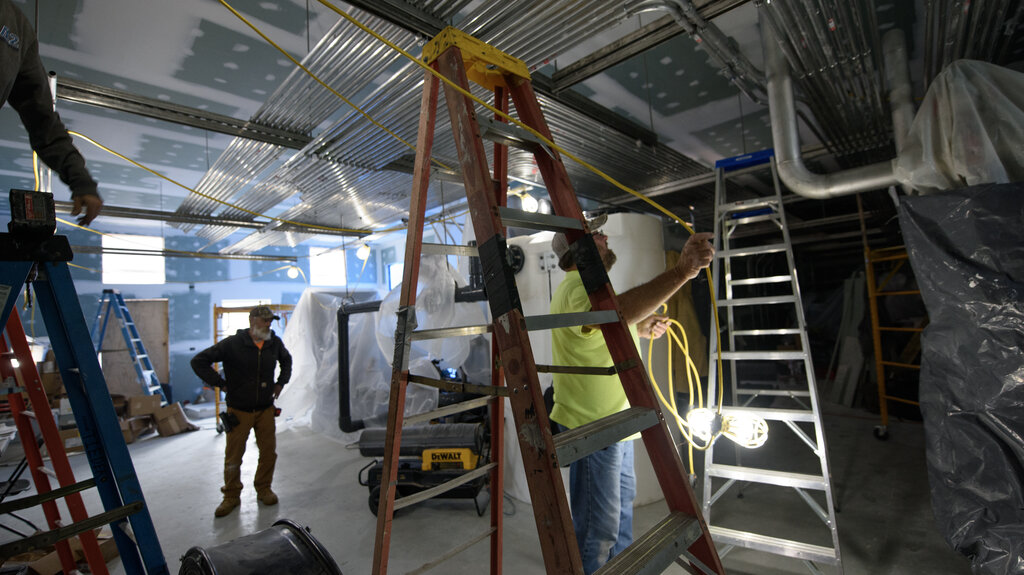
Plumbers are responsible for all things water-related. They install pipes for fresh water, systems for wastewater and drainage, and lines for natural gas. This work ensures that a building has clean drinking water, functional restrooms, and safe heating.
HVAC technicians handle Heating, Ventilation, and Air Conditioning. Their job is to keep the indoor environment comfortable and the air quality healthy. They install furnaces, air conditioners, ductwork, and ventilation systems, which are essential for modern offices, hospitals, and retail spaces.
These trades don't work in isolation. Their jobs are intricately connected. Plumbers need to place pipes before concrete is poured. Electricians must run wires before drywall goes up. HVAC technicians need to coordinate with roofers and framers. It's a carefully choreographed dance managed by the general contractor.
Rules of the Trade
Because their work is so critical to a building's safety and function, specialty trades are highly regulated. You can't just decide to be a commercial electrician one day. Tradespeople must undergo extensive training and obtain licenses to prove their competence.
Technical programs offer education and training specific to this industry, including electrical theory, blueprint reading, electrical code requirements, soldering and safety practices.
These regulations come in the form of building codes, which are sets of rules specifying the minimum standards for construction. The National Electrical Code (NEC), for example, provides a detailed guide for safe electrical design and installation. Following these codes isn't optional; it's a legal requirement enforced through permits and inspections.
Compliance and safety are paramount. A single mistake in wiring can cause a fire. A poorly installed gas line could lead to a catastrophic explosion. Licensing ensures that the person doing the work has the necessary knowledge, while safety standards—like those from the Occupational Safety and Health Administration (OSHA)—protect the workers themselves on hazardous job sites.
| Trade | Key Responsibility | Common Requirement |
|---|---|---|
| Electrical | Safe installation of power and lighting systems | State Journeyman or Master Electrician License |
| Plumbing | Installing water, drain, and gas systems | State Plumbing License, often with gas fitting cert. |
| HVAC | Ensuring climate control and air quality | EPA Section 608 Certification for refrigerants |
Now, let's test your understanding of these essential roles.
In a commercial construction project, who is typically responsible for managing the coordination and sequencing of different specialty trades like plumbers and electricians?
Which of the following tasks falls under the responsibility of an HVAC technician?
Understanding the roles and regulations of specialty trades is key to seeing how a complex commercial building comes to life.