Colonoscopy Procedure Mastery
Introduction to Colonoscopy
What is a Colonoscopy?
A colonoscopy is a procedure that lets a doctor look inside your entire large intestine, from the lowest part, the rectum, all the way up through the colon to the small bowel. It’s the best way to find and remove polyps, which are small growths that can sometimes turn into cancer.
To do this, a doctor uses a colonoscope. This is a thin, flexible tube about the thickness of a finger, with a light and a tiny camera on the end. The camera sends a video image to a monitor, allowing the doctor to see the lining of your colon in great detail. It’s like sending a tiny explorer on a mission to check on your health.
A Tour of the Colon
The colon, also known as the large intestine, is the final section of your digestive tract. Its main job is to absorb water and electrolytes from what’s left of your food and then pass useless waste material from the body. It’s a muscular tube that's about five feet long.
The journey through the colon begins where the small intestine ends, at a small pouch called the cecum. From there, the path goes up the right side of the abdomen (ascending colon), crosses over to the left side (transverse colon), and then heads down (descending colon). The final sections are an S-shaped curve called the sigmoid colon and the rectum, which stores stool before it leaves the body.
Why Get a Colonoscopy?
There are three main reasons a doctor might recommend a colonoscopy: screening, diagnosis, and surveillance.
Screening is for people without any symptoms. The goal is to catch problems early, especially colorectal cancer. Because this type of cancer often starts from polyps, finding and removing them is a powerful form of prevention. Routine screening is typically recommended for adults starting at age 45 or 50.
Diagnosis is about finding the cause of specific symptoms. If you're experiencing issues like persistent abdominal pain, rectal bleeding, chronic constipation or diarrhea, or unexplained weight loss, a colonoscopy can help your doctor figure out what's wrong.
Common symptoms investigated by colonoscopy include changes in bowel habits, blood in the stool, and persistent cramping or pain.
Surveillance is for monitoring. If you've had polyps before or have a condition like inflammatory bowel disease (IBD), your doctor will want to perform colonoscopies at regular intervals to check for any changes in your colon.
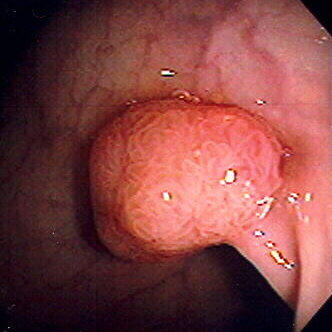
During the procedure, the doctor can not only see problems but also address them. If a polyp is found, it can often be removed right then and there. A doctor can also take a small tissue sample, called a biopsy, to be examined in a lab. This is crucial for diagnosing conditions like Crohn's disease, ulcerative colitis, and cancer.
polyp
noun
A small, abnormal growth of tissue projecting from a mucous membrane.
Understanding these basics helps clarify why a colonoscopy is such a valuable tool in digestive health. It provides a direct view that no other test can match.