Coffee Machine Repair Fundamentals
Coffee Machine Components
Inside Your Coffee Machine
A coffee machine might seem like a simple box that turns beans and water into a delicious drink, but inside, it's a team of specialized parts working in harmony. Each component has a specific job, and understanding them is the first step to appreciating the craft of your daily brew. Let's take a look under the hood, starting with the very first ingredient.
The Starting Point
Water Reservoir
noun
A container that holds the water used for brewing coffee.
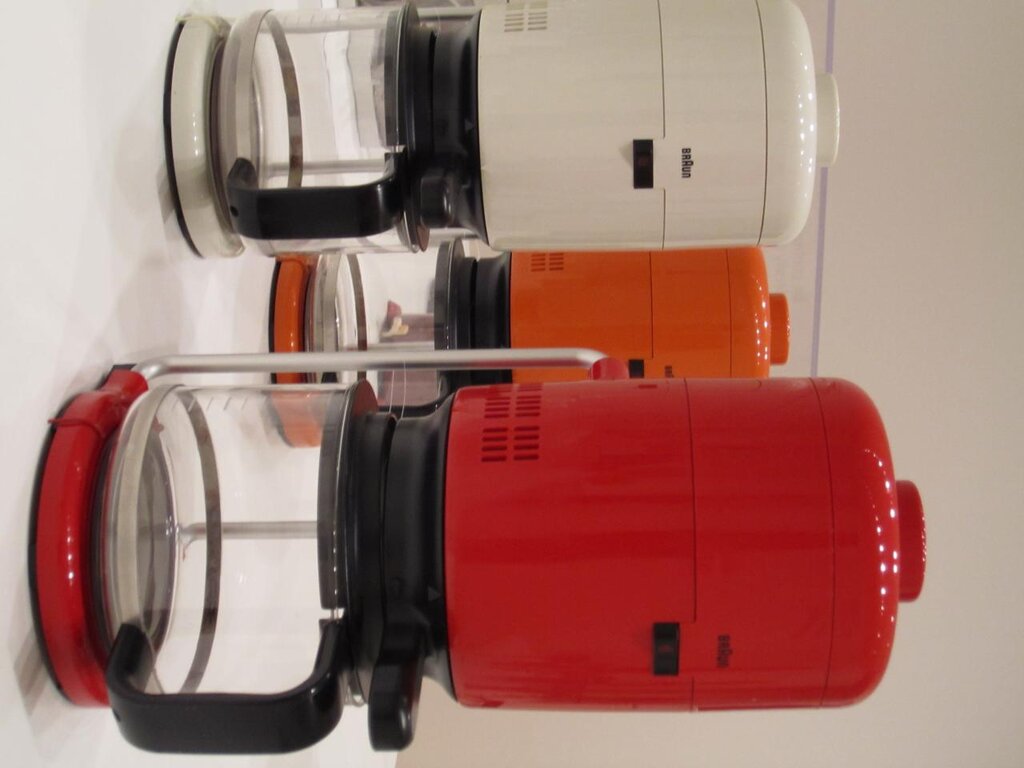
Every cup of coffee begins with water. The water reservoir is the tank that holds this essential ingredient. It can be a removable plastic container you fill at the sink or a fixed internal tank. Its size determines how many cups you can brew before a refill. Think of it as the fuel tank of your coffee machine; without it, nothing happens.
From the reservoir, the water needs to get hot. Very hot.
Bringing the Heat
Heating Element
noun
A component that converts electrical energy into heat to warm the water.
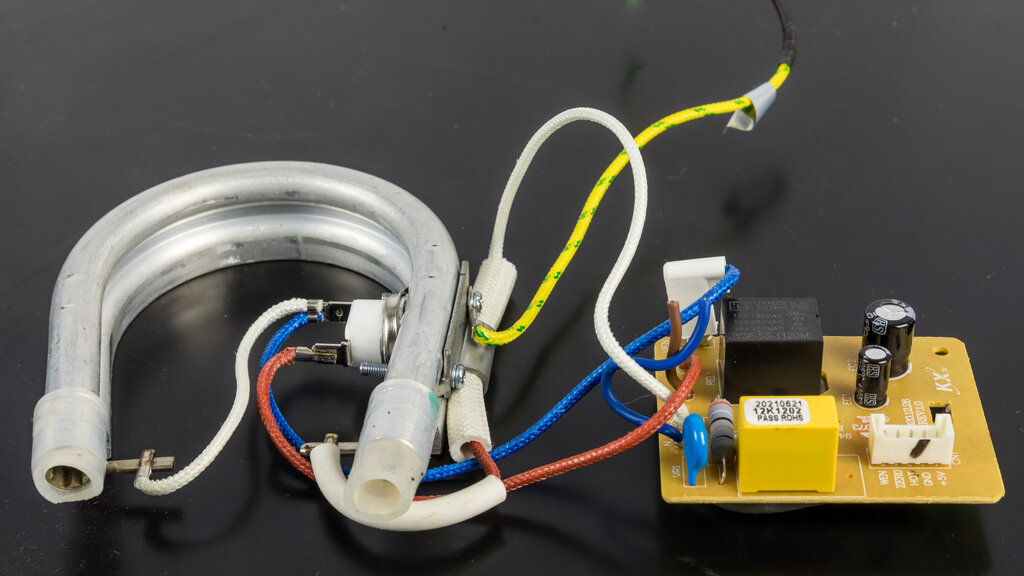
The heating element is a crucial component, essentially a tiny, powerful water heater. It takes cold water from the reservoir and rapidly heats it to the ideal temperature for coffee extraction, typically between 195°F and 205°F (90°C to 96°C). Consistency is key here. If the water is too cold, the coffee will taste weak and sour. If it's too hot, it can scorch the grounds, resulting in a bitter taste. This part ensures the water is just right.
Once the water is hot, it needs to move.
That's the job of the pump. It pressurizes the hot water and forces it through the tightly packed coffee grounds. The amount of pressure is a major difference between brewing methods. A drip coffee maker uses gravity and gentle pressure, while an espresso machine uses powerful pumps to create the intense extraction that defines an espresso shot.
Where the Magic Happens
Brew Group
noun
The assembly where hot water is introduced to the coffee grounds for extraction.
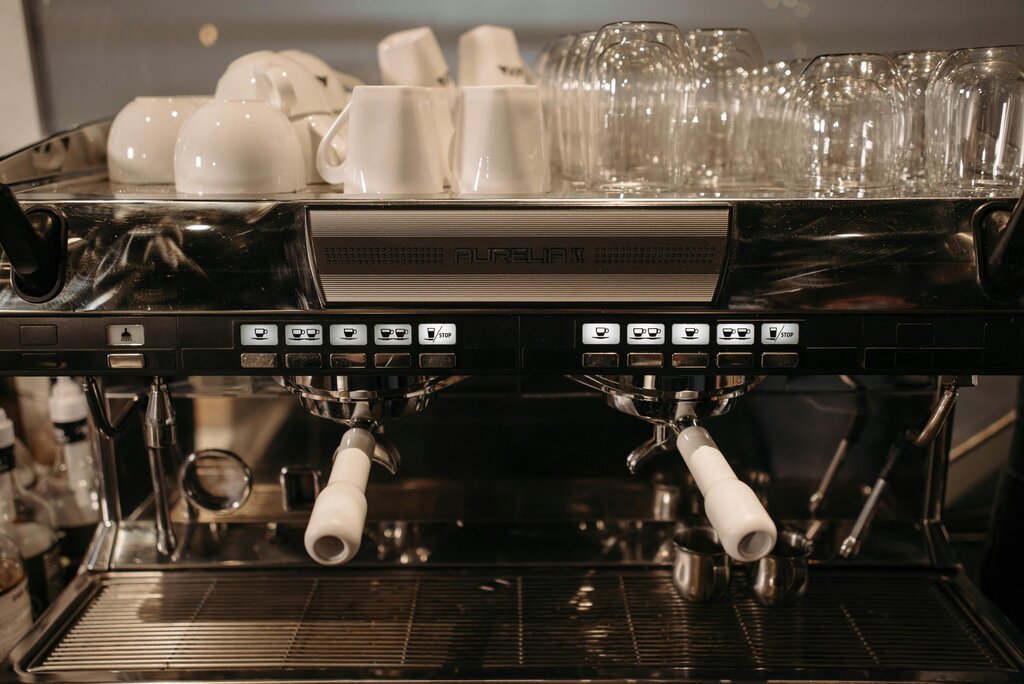
The brew group is the heart of the coffee machine. It's where the hot, pressurized water finally meets the coffee grounds. In an espresso machine, this is the part you lock the portafilter into. In a drip machine, it's the basket that holds the filter and grounds. The design of the brew group ensures that water is distributed evenly over the coffee, which is critical for a balanced and flavorful extraction.
Many modern machines streamline the process even further by including a grinder.
Bean-to-cup machines have a built-in grinder. This component takes whole beans and grinds them on demand, just moments before brewing. This ensures maximum freshness, as pre-ground coffee loses its aromatic oils and flavors quickly. The grinder's settings allow you to control the coarseness of the grind, which, like water temperature, has a huge impact on the final taste.
Finally, something has to coordinate all these parts. The control panel is the machine's brain. It can be as simple as a single on/off switch or as complex as a digital touchscreen. This is where you tell the machine what to do—select the brew strength, cup size, or even program it to have coffee ready when you wake up. It sends signals to the grinder, heating element, and pump, orchestrating the entire brewing symphony.
What is the ideal temperature range for the water heated by the heating element to ensure proper coffee extraction?
If a coffee machine is analogous to a car, the water reservoir would be the ____.
Each of these components plays a vital role. From holding the water to grinding the beans and bringing it all together, they work as a system to produce the perfect cup.