Code Your Knits
Introduction to Knitting
The Building Blocks of Knitting
Knitting is the art of using two needles to loop yarn together, creating a fabric. It might look complex, but every knitted item, from a simple scarf to an intricate sweater, is built from just a handful of basic techniques. Once you understand the fundamentals, you can create almost anything.
All knitting patterns are made with two basic stitches: the knit and the purl.
These two stitches are the yin and yang of knitting. The knit stitch is the most fundamental. When you look at the front of a knit stitch, it forms a neat little 'V' shape. An entire fabric made of only knit stitches on every row creates a bumpy, reversible texture called garter stitch.
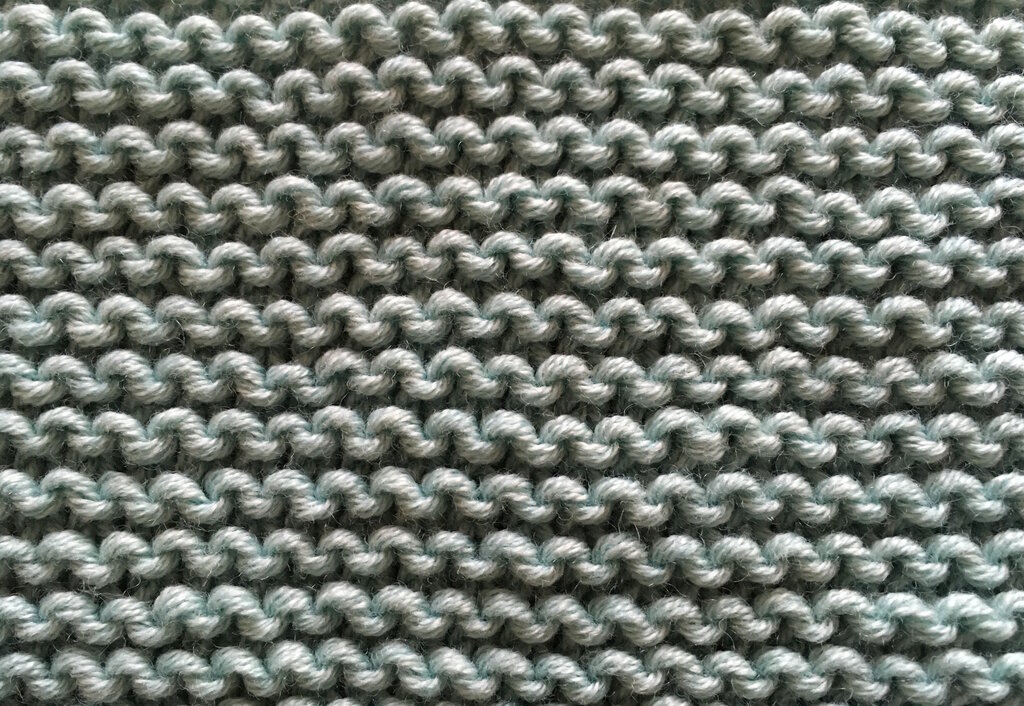
The purl stitch is the reverse of the knit stitch. Its front looks like a small, horizontal bump or a pearl, which is where it gets its name. It's made by holding the yarn in front of your work and inserting the needle in a different direction. A fabric made of only purl stitches looks identical to garter stitch.
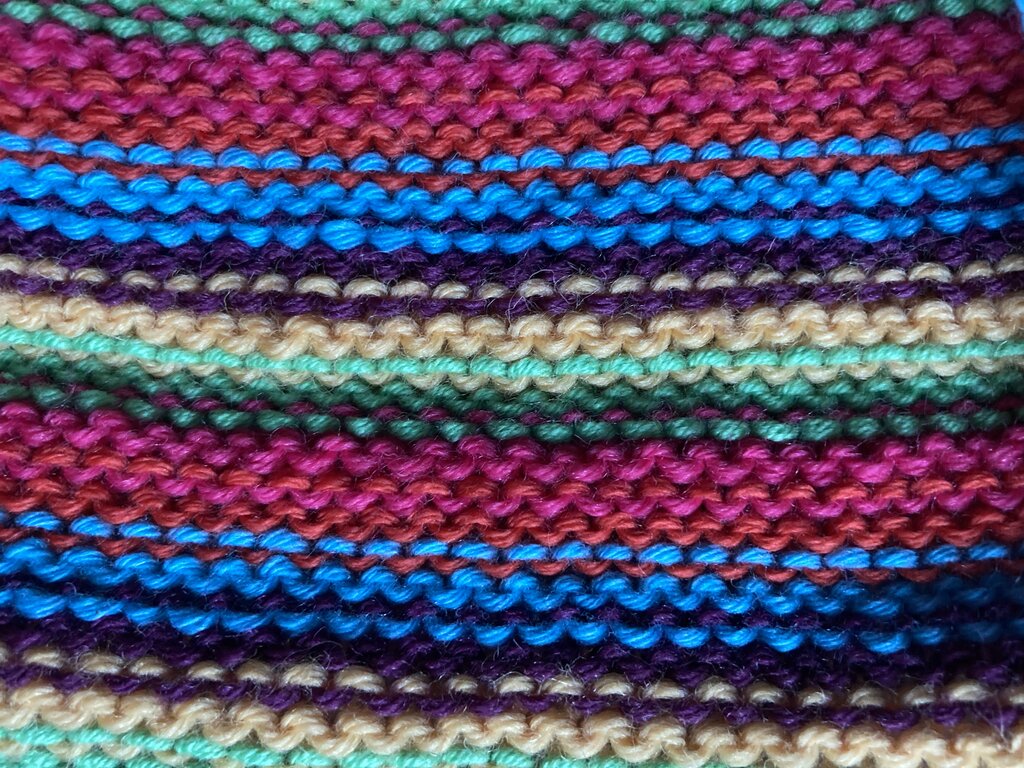
The magic happens when you combine them. The most common fabric, stockinette stitch, is made by knitting all the stitches on one row and purling all the stitches on the next. This creates a smooth, 'V'-covered front and a bumpy, purl-covered back.
Tools and Materials
To start knitting, you only need two things: needles and yarn. Needles come in a variety of materials, like wood, metal, and plastic, and in many different sizes. The size of the needle affects the size of your stitches. Larger needles create larger, looser stitches, while smaller needles make smaller, denser fabric.
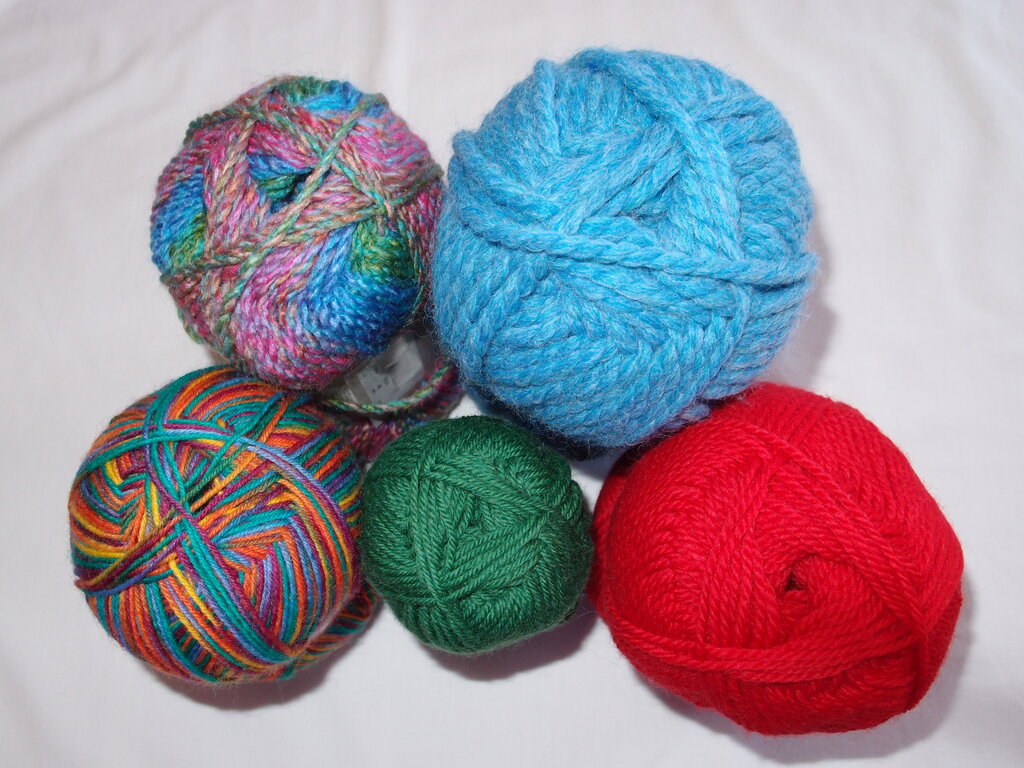
Yarn also comes in different thicknesses, known as weights. A pattern will always recommend a specific needle size and yarn weight to achieve the right dimensions for the final product. For beginners, it's easiest to start with medium-weight (worsted) yarn and medium-sized needles (around US 8 or 5mm).
Getting Started
Before you can make your first stitch, you need to get the yarn onto the needle. This is called casting on. There are many methods, but they all accomplish the same goal: creating a foundation row of loops on one needle.
The long-tail cast-on is a popular and stretchy method that's great for beginners to learn.
Once you've finished knitting your project, you need to secure the loops so they don't unravel. This is called binding off (or casting off). It involves knitting two stitches, then lifting the first one over the second and off the needle, repeating this process until only one loop is left.
Reading a Pattern
Knitting patterns are a set of instructions written in a special shorthand. This makes them concise and easy to read once you know the language. Stitches and actions are abbreviated to save space.
| Abbreviation | Meaning |
|---|---|
| k | knit |
| p | purl |
| CO | cast on |
| BO | bind off |
| st(s) | stitch(es) |
A simple pattern might look like this:
- CO 20 sts.
- Row 1: k all sts.
- Row 2: p all sts.
- Repeat Rows 1 and 2 for 5 inches.
- BO all sts.
This pattern would create a small piece of stockinette fabric. Asterisks (*) are often used to indicate a set of stitches that should be repeated across a row. For example, *k2, p2* means you should knit two stitches, then purl two stitches, and repeat that sequence until the end of the row.
What is the most common way to create stockinette stitch fabric?
In a knitting pattern, what does the instruction *k2, p2* mean?
With these basics—knit and purl stitches, casting on, and binding off—you have the foundation for countless knitting projects. The next step is simply to practice.