Cloud Computing Fundamentals
Introduction to Cloud Computing
What Is the Cloud?
Think about the electricity in your home. You don't own a power plant in your backyard. Instead, you plug into a massive, shared grid and only pay for what you use. Cloud computing works on a similar principle, but for digital resources like storage, processing power, and software.
Instead of buying and maintaining your own expensive servers, you can access these services over the internet from a cloud provider. It’s a fundamental shift from owning your own IT infrastructure to renting it.
Cloud computing refers to the on-demand delivery of IT resources over the internet with pay-as-you-go pricing.
Before the cloud, businesses had to buy and manage their own physical servers. This meant spending a lot of money upfront on hardware, finding space for it, paying for electricity and cooling, and hiring experts to maintain it all. Companies had to guess how much capacity they'd need. If they guessed too low, their websites would crash during busy periods. If they guessed too high, they wasted money on hardware that sat idle.
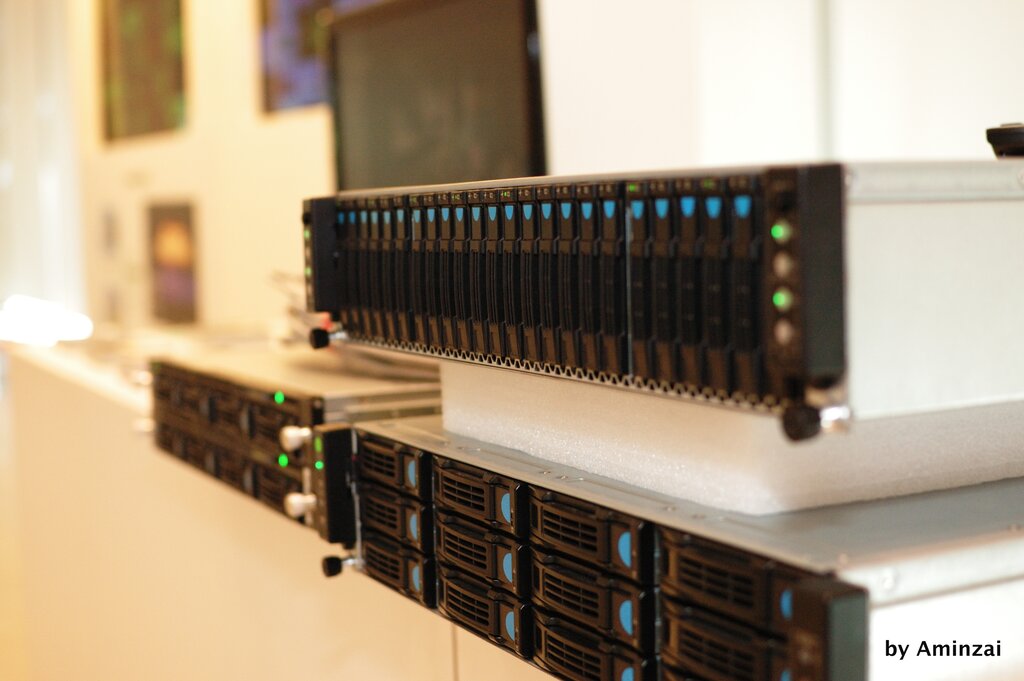
This old model was expensive, slow, and inflexible. The cloud emerged as a solution, offering a more efficient way to manage computing resources. This new approach is defined by five key characteristics.
The Five Essential Traits
The U.S. National Institute of Standards and Technology (NIST) outlines five traits that make a service truly “cloud.” Let's break them down.
1. On-Demand Self-Service You can get computing resources whenever you need them, without having to talk to a human. If you need a new server, you can launch one from a web dashboard in minutes. There's no need to file a ticket and wait for someone to set it up for you.
It's like getting cash from an ATM instead of waiting in line for a bank teller.
2. Broad Network Access Services are available over the network and can be accessed through standard mechanisms. You can use them from your laptop, tablet, or smartphone, no matter where you are. This accessibility is what makes the cloud so convenient.
3. Resource Pooling Cloud providers serve many customers using a multi-tenant model. The physical hardware is shared, but your data and applications are kept logically separate and secure. This sharing is what allows providers to offer services at a lower cost, as they achieve huge economies of scale.
4. Rapid Elasticity This is one of the most powerful features of the cloud. You can scale your resources up or down quickly, sometimes automatically, to match demand. If your website suddenly gets a surge of traffic, the cloud can add more servers to handle the load. When traffic dies down, it scales back down so you aren't paying for resources you don't need.
Imagine a retail store that could instantly add more cash registers during the holiday rush and then remove them in January. That's elasticity.
5. Measured Service Cloud systems automatically control and optimize resource use. Usage is monitored, controlled, and reported, providing transparency for both the provider and the consumer. You only pay for what you use, turning a large capital expense (buying hardware) into an operational expense (a monthly bill).
What is the fundamental shift in IT infrastructure that cloud computing represents?
A developer needs to launch a new test server for an application. Using a web dashboard, they provision and configure the server in minutes without needing to contact the IT department. Which cloud characteristic does this best demonstrate?
These five characteristics work together to make cloud computing a flexible, scalable, and cost-effective way to deliver technology services.