Cloud Computing Essentials
Introduction to Cloud Computing
What Is the Cloud?
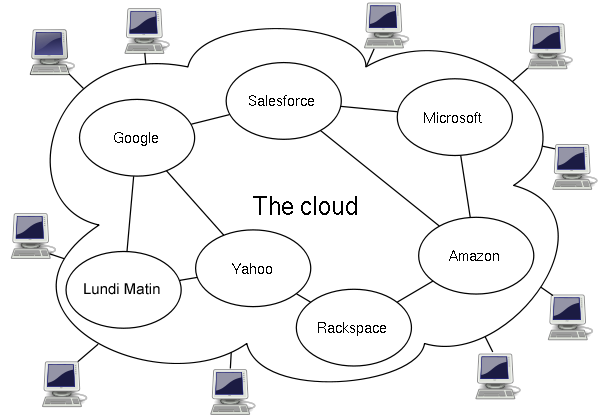
You've probably heard the term "the cloud" used everywhere, from phone backups to streaming movies. But what does it actually mean? At its core, cloud computing is about accessing computing resources over the internet instead of hosting them on your own device or in your own office.
Think of it like the electric grid. In the past, if a factory needed power, it had to build its own power plant. It was expensive, inefficient, and required constant maintenance. Today, factories just plug into the grid and pay for the electricity they use. Cloud computing does the same for things like data storage, processing power, and software.
Cloud computing is the delivery of computing services (servers, storage, databases, networking, software, and more) over the internet (the cloud), offering faster innovation, flexible resources, and economies of scale.
Instead of buying and managing your own powerful servers, you can rent them from a cloud provider like Amazon, Google, or Microsoft. This simple idea has completely changed how businesses and individuals use technology.
The Five Essential Traits
So, what makes a service a true "cloud" service? The U.S. National Institute of Standards and Technology (NIST) defined five key characteristics that distinguish cloud computing from older models.
- On-demand self-service: You can get computing resources like server time or storage automatically, without needing to talk to a human administrator. Think of signing up for a streaming service online; you do it all yourself.
- Broad network access: Services are available over the internet and can be accessed through your phone, laptop, or tablet. If you can get online, you can get to the cloud.
- Resource pooling: The cloud provider's computing resources are shared among many customers. You don't know or care exactly which physical server is running your application, just that it's running. This allows providers to be incredibly efficient.
- Rapid elasticity: You can scale your resources up or down quickly, and sometimes automatically, to match your needs. If your website suddenly gets a million visitors, the cloud can handle it by adding more resources. When traffic dies down, it scales back so you're not paying for what you don't need.
- Measured service: Cloud systems automatically control and optimize resource use. You only pay for what you use, much like a water or electricity meter.
From Local Machines to Global Clouds
Cloud computing wasn't born overnight. It's the result of a long evolution. Decades ago, all computing was done on large, expensive mainframe computers that filled entire rooms. Then came personal computers, which put computing power on every desk. Businesses started building their own server rooms, called data centers, to run their applications.
This was the era of traditional, or "on-premises," computing. Companies had to buy all their own hardware, install it, maintain it, and hire a team of people to manage it. It was costly and slow. If you needed more server power, you had to order new hardware, wait for it to arrive, and set it up, a process that could take weeks or months.
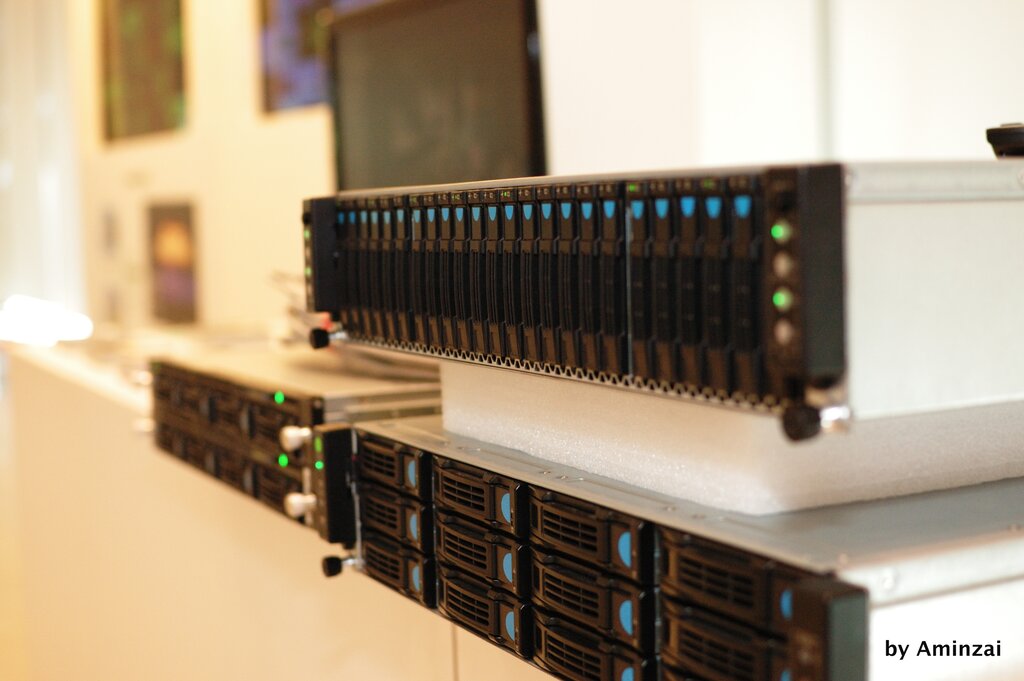
The cloud flips this model. It takes the burden of managing hardware away from the user and gives it to a specialized provider. This shift from owning to renting has unlocked enormous benefits.
Benefits and Challenges
The advantages of cloud computing are compelling for businesses of all sizes.
Cost Savings: You avoid the huge upfront cost of buying hardware. Instead, you pay a monthly fee based on your usage. Speed and Agility: You can deploy new applications and services in minutes, not months. Scalability: You can easily scale your resources to meet demand, ensuring your services are always available without overpaying for idle capacity. Global Reach: You can deploy applications in data centers around the world with just a few clicks, bringing your services closer to your customers. Performance and Reliability: Cloud providers operate massive, state-of-the-art data centers that offer better performance and reliability than most companies could afford on their own.
However, the cloud isn't without its challenges. Handing your data and applications over to a third party raises important questions about security and privacy. If the cloud provider has an outage, your services go down with it. There's also a risk of "vendor lock-in," where it becomes difficult and expensive to move from one cloud provider to another. Managing cloud costs can also be complex, as the pay-as-you-go model can lead to surprise bills if usage isn't carefully monitored.
Despite these challenges, the move to the cloud continues because its benefits are transformative. It has leveled the playing field, allowing small startups to access the same computing power as large corporations.
Time to check your understanding of these core concepts.
What is the core idea behind cloud computing, as explained by the "electric grid" analogy?
An online retailer's website experiences a massive surge in traffic during a flash sale. The website automatically acquires more server resources to handle the load and then releases them when the sale is over. Which key characteristic of cloud computing does this demonstrate?
Understanding these fundamentals provides a strong base for exploring the different ways cloud services are delivered and deployed.