Climate Migration and Real Estate Forecasting
Climate Migration Basics
When Home Moves
For thousands of years, humans have lived within a surprisingly narrow range of climate conditions. We've built our cities and farms in places with predictable seasons and temperatures. But what happens when those conditions change?
People move. Climate migration is the movement of people from their homes, either temporarily or permanently, due to sudden or long-term changes in their local environment. It's a response to shifts that make a place less habitable, less safe, or less able to support a livelihood.
Climate Migration
noun
The movement of individuals or groups of people who, for reasons of sudden or progressive changes in the environment that adversely affect their lives or living conditions, are obliged to leave their habitual homes, or choose to do so, either temporarily or permanently, and who move either within their country or abroad.
This isn't a new story. In fact, it's one of the oldest human stories there is.
A Long History of Movement
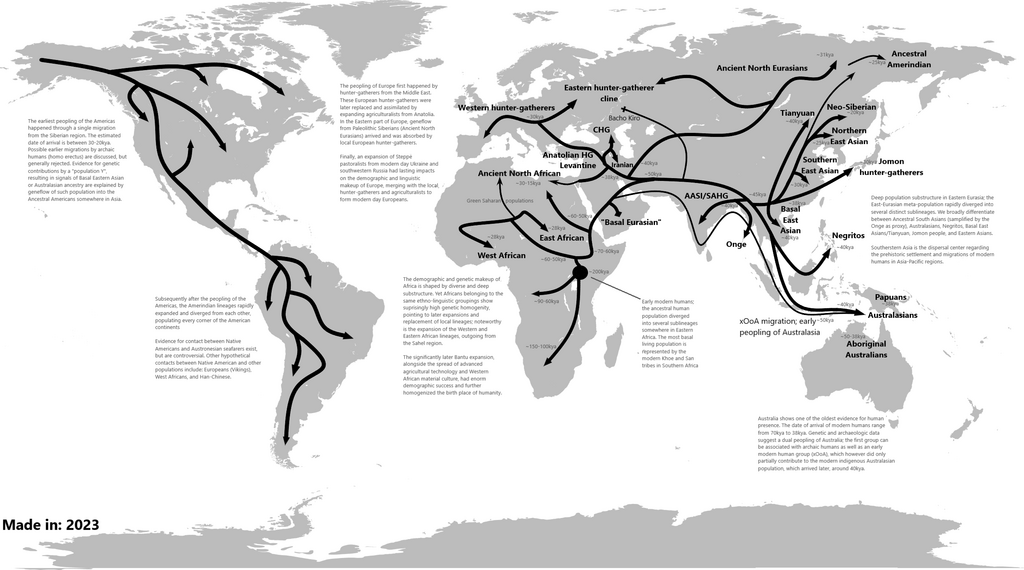
Throughout history, shifts in climate have pushed human populations across the globe. The earliest expansions of modern humans out of Africa were likely influenced by changing environmental conditions, such as periods of drought or shifts in vegetation that opened new corridors for migration.
These ancient movements established the patterns of human settlement across the planet.
More recently, events like the Dust Bowl in the 1930s United States show a clear link between environmental disaster and migration. A severe, multi-year drought, combined with farming practices that damaged the topsoil, turned the Great Plains into a dust-choked region. Hundreds of thousands of families were forced to abandon their farms and move, mostly westward, in search of work and a new life.
Today's Climate Drivers
While the reasons people move are often complex, modern climate change is accelerating the environmental pressures. The primary drivers today fall into a few key categories.
Sea-Level Rise
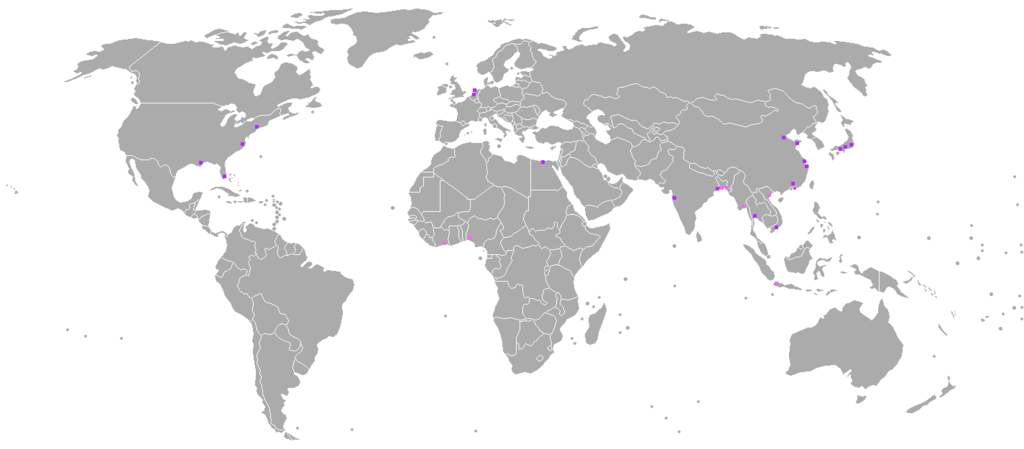
As the planet warms, glaciers and ice sheets melt, and ocean water expands. This causes sea levels to rise, threatening low-lying coastal communities with increased flooding, erosion, and saltwater intrusion into freshwater supplies. Many of the world's largest cities are on coastlines, putting millions of people at risk.
Extreme Weather Events
Hurricanes, typhoons, and floods are becoming more intense and frequent. A single powerful storm can destroy homes and infrastructure in a matter of hours, displacing entire communities. While some people may return and rebuild, others are forced to relocate permanently. Wildfires, another form of extreme weather, can similarly render areas uninhabitable overnight.
Drought and Water Scarcity
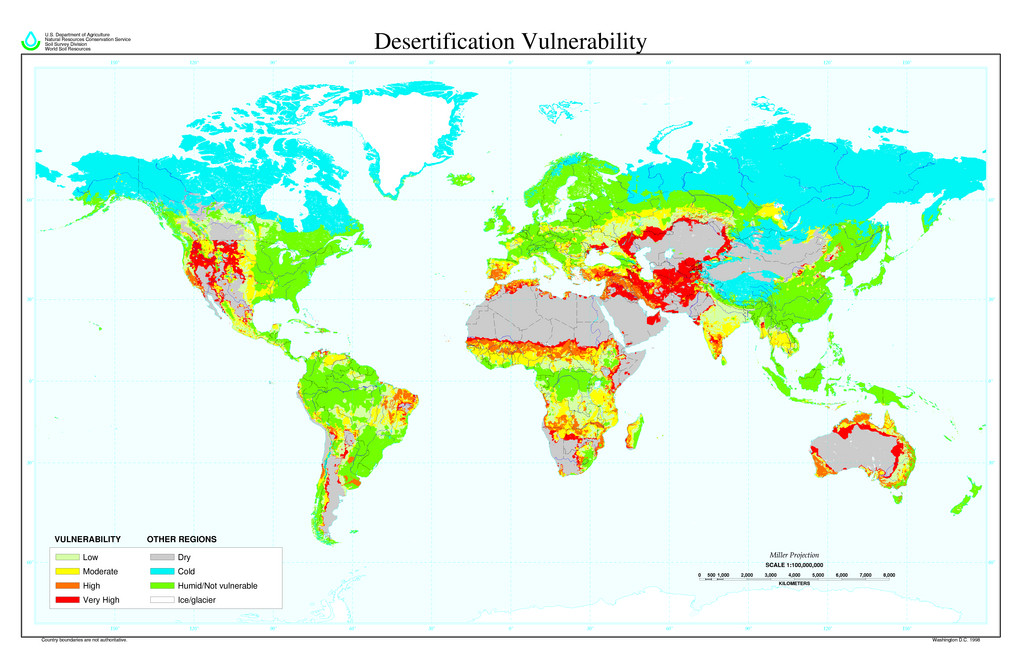
Unlike a hurricane, a drought is a slow-moving disaster. Over months or years, declining rainfall and rising temperatures can devastate agriculture, leading to crop failure and food shortages. Regions that depend on farming become unable to support their populations, pushing people to move in search of more fertile land and reliable water sources. This process, known as desertification, is making vast areas of the world harder to live in.
The New Reality
What makes today's climate migration different is its global scale and accelerating pace. Unlike historical migrations into uninhabited lands, today's movements are happening in a world with established borders and settled populations.
An important trend is that most climate-related movement is internal. People are not always crossing international borders; more often, they are moving from a rural area to a nearby city or from a vulnerable coast to an inland region within their own country.
Climate migration will largely look like people moving from one neighborhood to another, across town, to the next county over, to a nearby city.
These shifts, whether sudden or gradual, are reshaping communities and economies around the world. Understanding the basics of why and how people move is the first step in preparing for a future where our climate—and our homes—are in motion.
Now, let's review what we've learned.
Climate migration is best defined as the movement of people primarily due to:
True or False: The movement of human populations in response to changing climate is a relatively new phenomenon, starting only in the last century.
Climate migration is a complex issue driven by powerful environmental forces. By understanding its causes, we can better appreciate the human dimension of a changing planet.