Cinematic Character Introduction
Visual Storytelling Basics
Telling Stories with Pictures
The most powerful stories are often the ones we see, not just the ones we hear. Visual storytelling is the art of communicating a narrative through images. It's about showing the audience what's happening, what a character is feeling, or what the mood of a scene is, without relying on a single word of dialogue. Think of it as a universal language where every shot, color, and object has a meaning.
One of the cardinal rules in storytelling is to show rather than tell emotions, settings, and actions.
To speak this language effectively, you need to understand its grammar. In visual storytelling, that grammar is composition: how you arrange elements within your frame. The right composition can guide the viewer's eye, create a specific feeling, and add layers of meaning to a scene. Let's look at a few foundational techniques.
Composing Your Shot
The Rule of Thirds is a great starting point. Imagine your screen is divided into a 3x3 grid, like a tic-tac-toe board. The idea is to place important elements along these lines or at their intersections. Putting your subject off-center often creates a more balanced and visually interesting image than placing them directly in the middle.
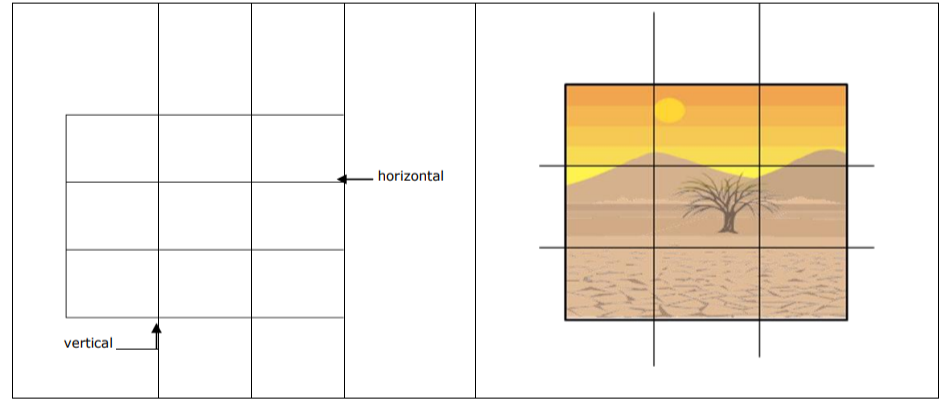
Leading lines are another powerful tool. These are lines within the frame, like a road, a fence, or a river, that draw the viewer's eye towards a specific point of interest. They create a sense of depth and guide the audience to what's important in the shot.
Finally, consider framing. This is the technique of using elements within the scene to create a natural frame around your subject. A character seen through a doorway, a window, or even between two trees is naturally framed. This adds depth to the image and helps to isolate and emphasize your subject, making them the clear focus of the shot.
The Mood of Color
Color is one of the most direct ways to communicate emotion and set the atmosphere of a scene. It works on a subconscious level, influencing how the audience feels without them even realizing it. Think about how different colors make you feel.
Warm colors like reds, oranges, and yellows often evoke feelings of passion, energy, happiness, or danger. Cool colors like blues, greens, and purples can suggest calmness, sadness, or mystery. A filmmaker can use a color palette to define the entire mood of a story. A scene drenched in golden light feels nostalgic and warm, while a scene cast in cold, sterile blue can feel isolating and tense.
| Color Group | Common Associations | Potential Mood |
|---|---|---|
| Warm Colors | Fire, Sunlight, Passion | Energetic, Happy, Alarming |
| Cool Colors | Water, Sky, Night | Calm, Sad, Mysterious |
| Muted Colors | Overcast days, Stone | Somber, Serious, Dreary |
Beyond general mood, color can be tied to specific characters or ideas. A character might always wear a certain color to symbolize their personality—for example, green for envy or red for rage. When that color appears elsewhere in the film, it can subtly connect back to that character or theme.
Symbols in the Scene
Every object in a shot can contribute to the story. This is the power of symbolism. An object isn't just an object; it can represent an idea, a memory, or a character's internal state. A wilting plant on a windowsill might reflect a character's fading hope. A ticking clock can build tension or symbolize time running out. A bird flying free could represent a character's desire for escape.
These visual cues enrich the narrative, adding layers of meaning that dialogue alone cannot capture. By carefully choosing what to include in the frame, a storyteller can communicate a character's backstory, their desires, and their fears. This is the essence of showing, not telling. By mastering composition, color, and symbolism, you can craft powerful visual narratives that resonate with your audience.
What is the primary goal of using the Rule of Thirds in composition?
A director wants to create a scene that feels tense, mysterious, and isolating. Which color palette would be most effective for achieving this mood?