CFA Level 1 Essentials
Ethical and Professional Standards
The Foundation of Trust
The investment industry runs on trust. Clients trust professionals to manage their money with care and skill. The public trusts that financial markets are fair and transparent. Without this trust, the system breaks down. That's why a strong foundation in ethical and professional standards isn't just a good idea—it's essential.
Organizations like the CFA Institute have created a framework to guide investment professionals. This framework isn't just about avoiding legal trouble; it's about building a career and an industry that people can believe in. It provides a common set of principles for navigating the complex situations that arise when managing other people's wealth.
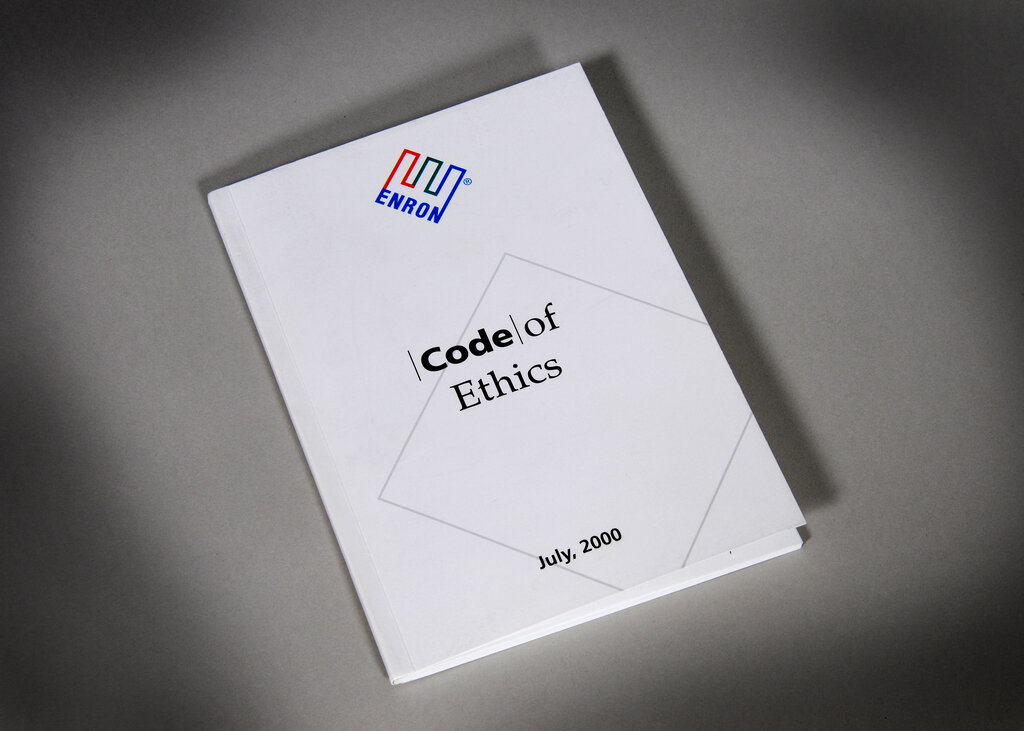
A formal code of ethics helps professionals make the right choices, especially when the path isn't clear. It elevates the profession from a simple job to a vocation with a duty to society.
The Code and the Standards
The CFA Institute's ethical framework is built on two key components: the Code of Ethics and the Standards of Professional Conduct. The Code is a set of principles that defines the fundamental values of the profession, while the Standards provide specific rules that govern professional behavior.
The Code of Ethics outlines six core principles:
- Act with integrity, competence, diligence, and respect.
- Place the integrity of the investment profession and the interests of clients above personal interests.
- Use reasonable care and exercise independent professional judgment.
- Practice and encourage others to practice in a professional and ethical manner.
- Promote the integrity and viability of the global capital markets.
- Maintain and improve professional competence.
These principles are the bedrock. The Standards of Professional Conduct are the specific applications of these principles in daily practice. They are organized into seven broad categories.
| Standard | Title | Core Focus |
|---|---|---|
| I | Professionalism | Knowledge of the law, independence, objectivity, and avoiding misrepresentation. |
| II | Integrity of Capital Markets | Prohibits using material nonpublic information and market manipulation. |
| III | Duties to Clients | Loyalty, prudence, fair dealing, and suitability of investments. |
| IV | Duties to Employers | Loyalty, managing additional compensation, and responsibilities of supervisors. |
| V | Investment Analysis, Recommendations, and Actions | Diligence, reasonable basis for recommendations, and clear communication. |
| VI | Conflicts of Interest | Disclosure of conflicts, priority of transactions, and referral fees. |
| VII | Responsibilities as a CFA Member or Candidate | Conduct in the CFA Program and proper reference to the CFA designation. |
Each standard is further broken down into sub-standards that provide detailed guidance on what is and isn't acceptable. For example, under Duties to Clients, professionals must ensure that investment recommendations are suitable for a client's specific financial situation and objectives. Under Professionalism, they must not knowingly misrepresent their qualifications or investment performance.
Conflict of interest (real or perceived) should be avoided, PHI should be protected, and the highest of ethical standards should be upheld.
A Framework for Ethical Decisions
Knowing the rules is one thing, but applying them under pressure is another. An ethical decision-making framework can help you navigate gray areas and make sound choices. It provides a structured way to think through a problem.
This framework encourages a thoughtful process rather than a gut reaction. By identifying the ethical issue, considering your options from different perspectives, making a deliberate choice, and then reflecting on the outcome, you build the skill of ethical reasoning over time.
Now, let's test your understanding of these core principles.
What are the two primary components of the CFA Institute's ethical framework?
According to the text, why is a strong foundation in ethical standards crucial for the investment industry?
Ethical and professional standards are not just rules to memorize for an exam. They are the principles that guide a career, protect clients, and ensure the long-term health of the financial markets.