California Real Estate Loan Officer Essentials
Introduction to Real Estate Loan Origination
The Loan Officer's Role
Buying a home is one of the biggest financial decisions a person can make. At the center of this process is the loan officer, a key guide who helps navigate the complex world of home financing. Their job isn't just about paperwork; it's about connecting people with the right mortgage for their specific situation.
loan officer
noun
A representative of a bank, credit union, or other financial institution who assists borrowers in the application process for a loan.
A loan officer wears many hats. They are a financial advisor, an educator, and a project manager all rolled into one. Their primary responsibility is to guide a potential homebuyer from the initial application to the final closing. This involves several key steps.
In short, the loan officer is the borrower's main point of contact. They explain different loan options, answer questions about interest rates and fees, and ensure all the legal and financial requirements are met smoothly and on time.
Types of Loans
Not all mortgages are created equal. Loan officers work with a variety of loan types, each designed for different buyers and financial situations. While there are many specialized products, most fall into a few main categories.
| Loan Type | Description | Best For... |
|---|---|---|
| Conventional | Not insured by the government. Often requires a higher credit score and a larger down payment. | Borrowers with strong credit and stable finances. |
| FHA | Insured by the Federal Housing Administration. Allows for lower credit scores and smaller down payments. | First-time homebuyers or those with less-than-perfect credit. |
| VA | Guaranteed by the U.S. Department of Veterans Affairs. Available to eligible veterans, service members, and spouses. | Eligible military members and their families, often with no down payment required. |
A good loan officer will analyze a buyer's profile to recommend the most suitable option. For instance, a first-time buyer with limited savings might be a perfect candidate for an FHA loan, while a veteran could benefit immensely from a VA loan.
The California Market
Operating as a loan officer in California presents a unique set of challenges and opportunities. The state's real estate market is one of the most dynamic and competitive in the country. Property values are high, and demand often outpaces supply, especially in major metropolitan areas like Los Angeles and the San Francisco Bay Area.
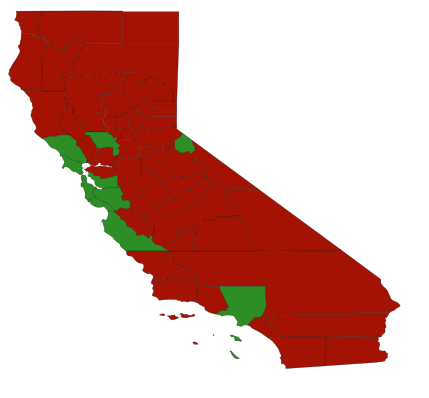
This environment means that loan officers must be exceptionally knowledgeable and efficient. A delay in the loan process can mean the difference between a client securing their dream home or losing it to another bidder. Understanding local market dynamics is not just helpful, it's essential.
A loan officer in California needs to be aware of county-specific regulations, local property tax rates, and trends in home prices. For example, the loan limits for conventional loans can vary significantly from a rural area like Modoc County to an expensive one like Santa Clara County. This local expertise allows a loan officer to give accurate advice and set realistic expectations for their clients.
Knowing the local market helps a loan officer anticipate potential issues, from appraisal challenges in a rapidly appreciating neighborhood to specific insurance requirements in areas prone to wildfires or earthquakes.
Before you test your knowledge, let's review the key term from this section.
Ready to see what you've learned?
What is the primary responsibility of a loan officer during the home-buying process?
A first-time homebuyer with limited savings would most likely be a good candidate for which type of loan?
Understanding these fundamentals—the role of the loan officer, the primary loan types, and the unique nature of the California market—is the first step toward navigating the home financing process.