C++ Programming Mastery
Introduction to C++
What Is C++?
C++ began in the early 1980s at Bell Labs, created by Bjarne Stroustrup as an extension of the C programming language. He wanted to add features from other languages he admired without sacrificing the speed and low-level functionality of C. The result was a language that is both powerful and versatile.
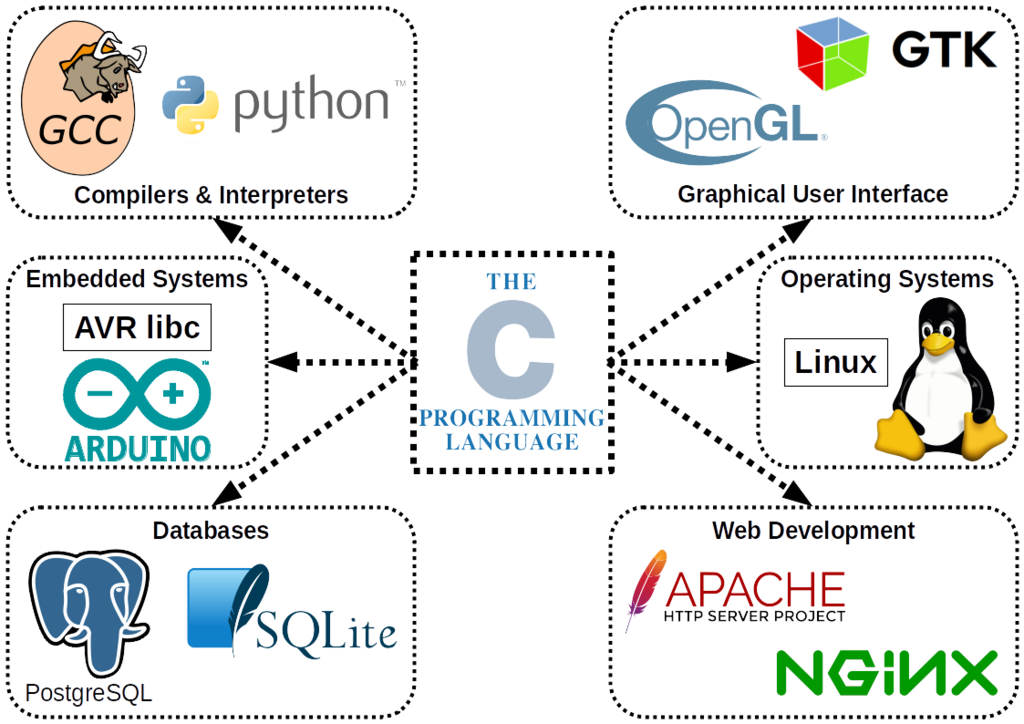
Think of C++ as C with a lot of extra tools. It allows for high-level abstraction, like organizing code into logical objects, but it can also interact directly with computer hardware. This flexibility makes it a popular choice for demanding applications. You'll find C++ at the core of video games, operating systems, web browsers, and financial trading systems—anywhere performance is critical.
Setting Up Your Workspace
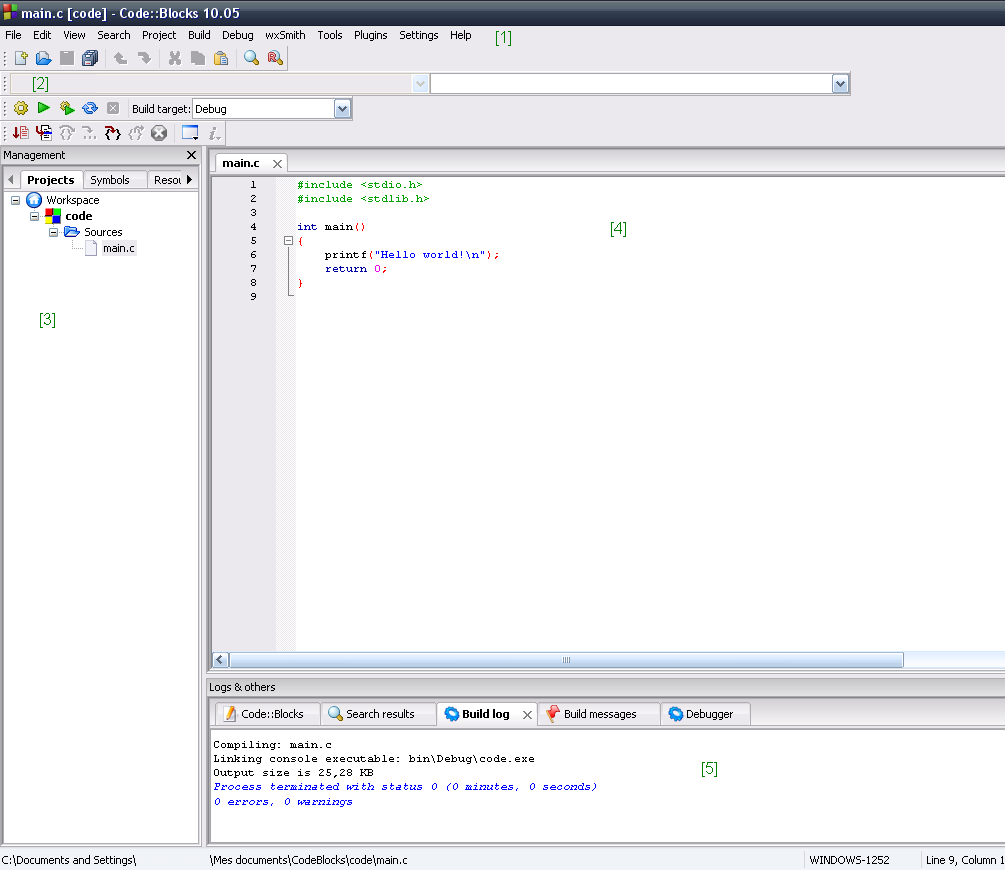
To write and run C++ code, you need two key things: a text editor to write the code and a compiler to translate it into a language the computer can understand. Most developers use an Integrated Development Environment (IDE), which bundles these tools together.
An IDE is like a specialized workshop for programmers. It includes a text editor with features like syntax highlighting (coloring your code to make it easier to read) and autocompletion. It also has a built-in compiler and a debugger to help you find and fix errors. Popular IDEs for C++ include Visual Studio, Code::Blocks, and CLion. For a simpler setup, you can also use a basic text editor and a command-line compiler like g++.
Your First Program
The classic "Hello, World!" program is a great place to start when learning a new programming language.
It's a tradition for a reason: it's a simple way to confirm your setup is working and to see the basic syntax of a new language. Here’s how you write "Hello, World!" in C++.
// This is a comment. It's ignored by the compiler.

// Include the iostream library for input/output operations
#include <iostream>

// The main function is where the program starts
int main() {
    // Print "Hello, World!" to the console
    std::cout << "Hello, World!" << std::endl;

    // Return 0 to indicate the program ran successfully
    return 0;
}
Let’s break that down piece by piece.
-
#include <iostream>: This is a preprocessor directive. It tells the compiler to include theiostreamfile, which contains the code needed for input and output operations, like printing text to the screen. -
int main(): This is the main function. Every C++ program must have amainfunction, as it's the starting point of execution. Theintmeans the function will return an integer value when it's done. -
{ ... }: The curly braces define the beginning and end of the function. -
`std::cout <<
-
std::cout << "Hello, World!" << std::endl;: This line does the actual work.std::coutis the standard output stream (usually your console). The<<operator sends the string"Hello, World!"to that stream.std::endlinserts a newline character, so the next output will start on a new line. Notice the semicolon at the end—most statements in C++ end with one. -
return 0;: This line ends themainfunction. Returning a0is a standard way of telling the operating system that the program completed without any errors.
The Basic Structure
Even this simple program reveals the fundamental structure of a C++ application. You can think of it as a set of instructions organized into functions. For now, we'll only use the main function.
Every program starts with including necessary libraries, then executes the statements inside the main function one by one, and finally exits. The semicolon acts like a period in a sentence, telling the compiler that one instruction is finished and the next one can begin.
This structure—headers, a main function, and statements ending in semicolons—is the foundation for every C++ program you'll write.
Now that you've seen the basics and written your first program, you're ready to explore what C++ can really do. The next step is to learn about variables, which let you store and manipulate data.
What was the primary motivation for Bjarne Stroustrup to create C++?
In a C++ program, what is the significance of the int main() function?