Build Your Own MMORPG Engine
Introduction to Game Development
What is Game Development?
Game development is the art and science of creating a video game. It's a blend of creativity and technology, turning an idea into an interactive experience. Think of it as part storytelling, part visual art, and part complex engineering.
The journey started simply. In the early days, games like Pong were just paddles and a ball, two-dimensional and basic. Soon, characters like Pac-Man navigated simple mazes. Then, a huge leap happened: 3D worlds. Games like Super Mario 64 gave players the freedom to explore vibrant, three-dimensional spaces, a foundational shift that paved the way for the vast, interconnected worlds of today's Massively Multiplayer Online Role-Playing Games (MMORPGs).
Genres and Platforms
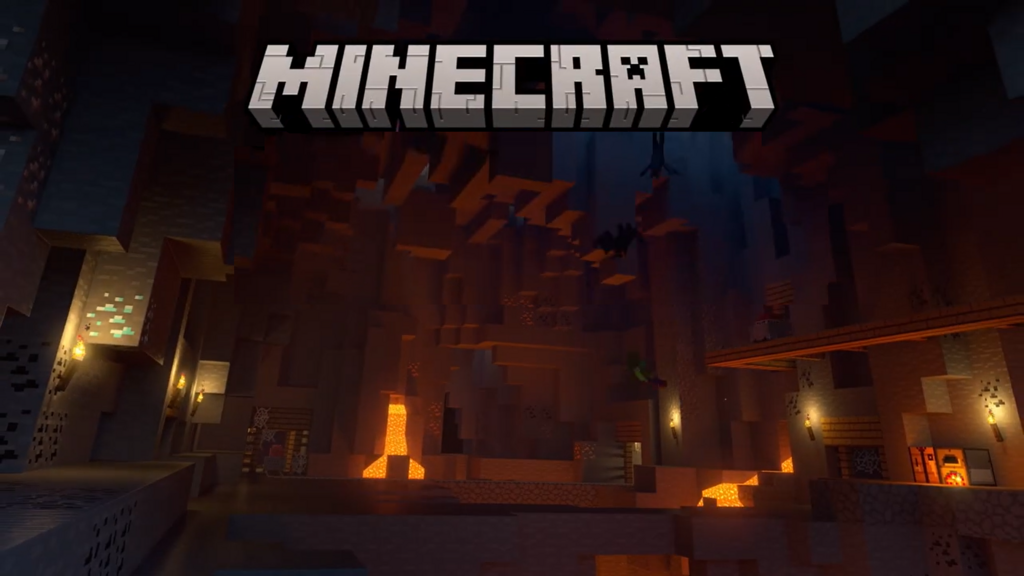
Not all games are alike. They fall into different categories, or genres, based on how you play them. An RPG (Role-Playing Game) focuses on character progression and story, while a first-person shooter (FPS) is all about fast-paced action from the player's viewpoint. MMORPGs, like World of Warcraft or Final Fantasy XIV, combine RPG elements with the ability to play alongside thousands of others online.
Where you play the game also matters. A game's platform—be it a PC, a console like a PlayStation 5, or a mobile phone—shapes its design. A complex strategy game might work best with a mouse and keyboard on a PC, while a simple puzzle game is perfect for a phone's touchscreen.
| Genre | Core Concept | Example |
|---|---|---|
| RPG | Character growth, story, exploration | The Witcher 3 |
| FPS | Combat from a first-person view | Halo |
| Strategy | Planning, resource management | StarCraft II |
| MMORPG | Online RPG with thousands of players | Final Fantasy XIV |
The Building Blocks of a Game
Every game, from the simplest mobile app to a sprawling MMORPG, is built from the same fundamental components. These are the pillars that support the entire experience.
Graphics are everything you see: the characters, the landscapes, the user interface. This is the visual skin of the game.
Audio is what you hear. From the epic musical score to the satisfying clink of a sword strike, sound builds atmosphere and provides crucial feedback.
Physics defines the rules of the game world. It dictates how high a character can jump, how a car drifts around a corner, and how objects react when they collide.
Artificial Intelligence (AI) breathes life into non-player characters (NPCs). It's the logic that guides a dragon's attack pattern or a shopkeeper's daily routine.
Networking is the invisible thread connecting players in multiplayer games. For an MMORPG, this is the backbone, allowing thousands of players to share the same world, fight monsters together, and trade items in real-time.
From Idea to Reality
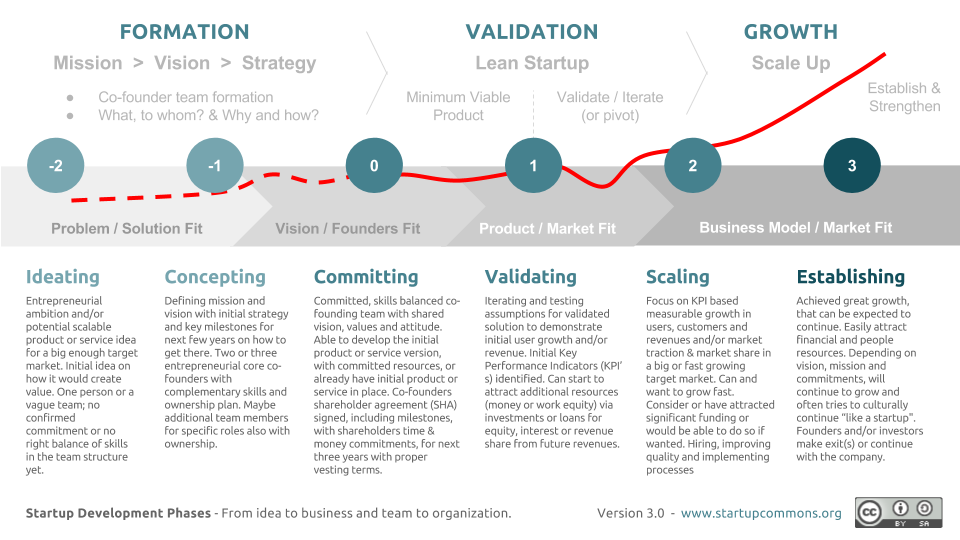
Making a game is a structured process, often broken down into distinct phases. It starts with a spark of an idea and ends with a finished product in the hands of players.
- Conceptualization: This is the brainstorming phase. What is the game about? Who is the audience? What makes it unique? The core idea is born here.
- Design: The concept is fleshed out into a detailed plan, often called a Game Design Document (GDD). This document describes the story, characters, game mechanics, and art style. It's the blueprint for the entire project.
- Development: Here's where the building happens. Programmers write code, artists create 3D models and animations, and designers build levels. This is usually the longest and most complex phase.
- Testing: The game is played repeatedly to find and fix bugs. Testers, often called Quality Assurance (QA), ensure everything works as intended and, just as importantly, that the game is fun.
- Deployment: The game is released to the public. This can involve publishing on platforms like Steam for PC, the App Store for mobile, or console-specific marketplaces. After launch, development often continues with updates, patches, and new content.
The Development Team
Games aren't built by one person. Large-scale projects, especially MMORPGs, require a team of specialists, each with a distinct role.
A typical game development team might include game designers, who devise the game's mechanics and story; programmers, who bring these ideas to life through code; artists and animators, who create the visual elements; sound engineers, who design audio effects and music; and testers, who ensure the game is both fun and functional.
A Game Designer is the architect of the player's experience. They define the rules, create the challenges, and ensure the game is engaging.
A Programmer writes the code that runs the game. They build the physics engine, implement AI behavior, and handle the complex networking required for online play.
An Artist is responsible for the game's entire look and feel. This includes concept artists who sketch initial ideas, 3D modelers who build characters and environments, and animators who bring them to life.
A Sound Designer creates the audio landscape, from background music to the sound of footsteps.
A Producer or Project Manager oversees the entire process, managing schedules, budgets, and communication to keep the project on track.
Understanding these foundations—the history, components, process, and people—is the first step toward appreciating the complexity and creativity involved in building any game, especially the massive, living worlds of an MMORPG.