Broadcom vs Nutanix Market Strategies
Introduction to Cloud Infrastructure
What Is the Cloud?
The "cloud" isn't a mysterious, intangible thing floating in the sky. It's a global network of powerful servers, and cloud computing is the practice of using that network to store data and run applications over the internet. Instead of owning and maintaining your own computing infrastructure, you access these services from a cloud provider like Amazon Web Services (AWS), Google Cloud, or Microsoft Azure.
Think of it like this: you could buy a power generator for your house, or you could just plug into the electrical grid. The cloud is the tech world's electrical grid.
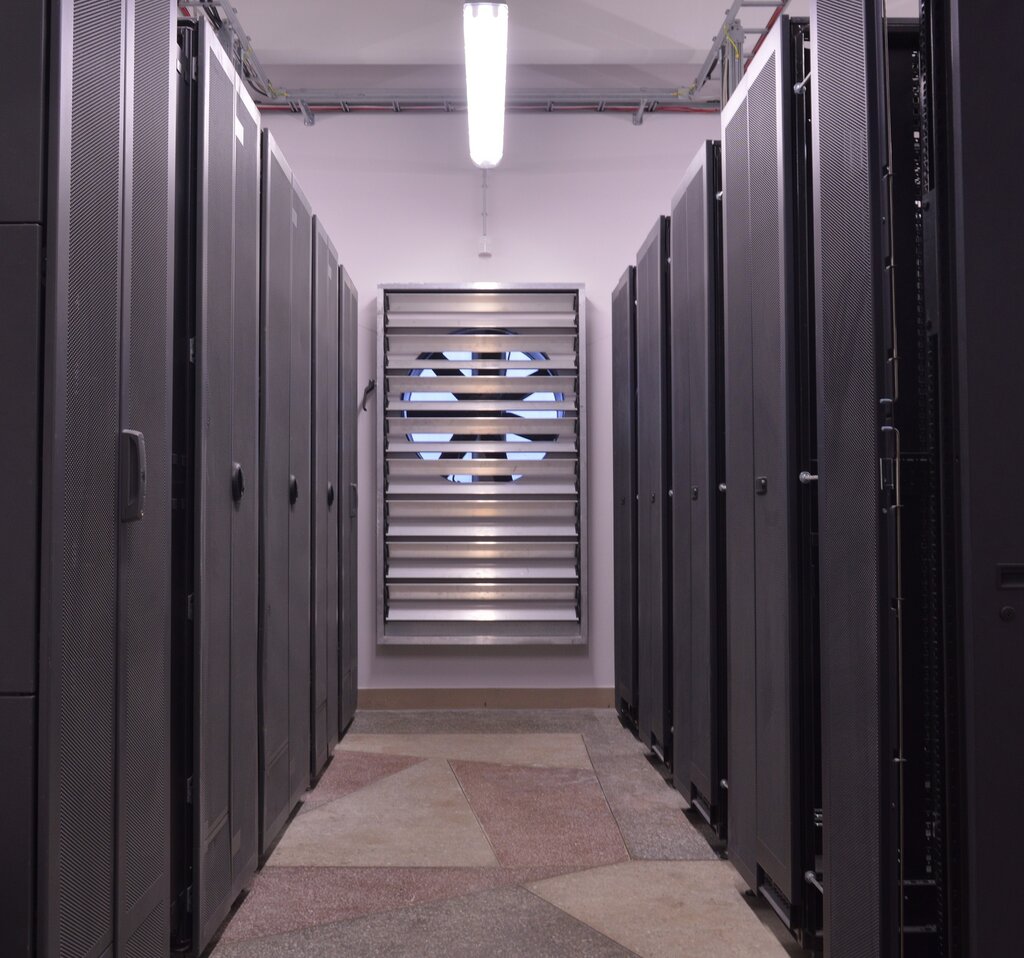
This idea evolved from companies keeping racks of servers in a closet down the hall. Maintaining that hardware was expensive and inefficient. If a server broke, someone had to fix it. If the company grew, they had to buy more servers. Cloud computing shifted that responsibility to large providers who specialize in managing massive, efficient data centers. This allows businesses to simply rent the computing power they need, when they need it.
The Building Blocks
Cloud infrastructure relies on three core components working together: compute, storage, and networking. The magic that makes it all flexible and efficient is a technology called virtualization.
Virtualization
noun
The process of creating a software-based, or "virtual," version of something, such as a server, storage device, or network.
Virtualization allows a single physical server to be carved up into many smaller, isolated virtual servers, called virtual machines (VMs). Each VM runs its own operating system and applications, completely unaware of the others sharing the same hardware. This is like turning a single large house into several separate apartment units, maximizing the use of the physical space.
The other components are just as crucial:
-
Storage: Cloud providers offer various ways to store data, from fast block storage that acts like a traditional hard drive for a VM, to object storage for holding massive amounts of unstructured data like photos and videos, to file storage that multiple machines can access at once.
-
Networking: This is the glue that connects everything. Cloud networking includes virtual private clouds (VPCs) to create isolated sections of the cloud, load balancers to distribute traffic across multiple servers, and firewalls to control access and enhance security.
Why Adopt the Cloud?
Businesses move to the cloud for a handful of compelling reasons. The most significant is often the shift from capital expenditure (CapEx) to operational expenditure (OpEx). Instead of buying expensive servers upfront, you pay a monthly bill based on your usage. This is much like paying for electricity instead of building your own power plant.
Another major benefit is scalability and elasticity. If your website suddenly gets a surge of traffic, you can automatically add more server capacity in minutes. When the traffic dies down, you can scale back down so you aren't paying for resources you don't need. This elasticity is nearly impossible to achieve with your own physical hardware.
Cloud computing allows organizations to focus on their core business and leave unwanted work like IT infrastructure capacity planning, procurement, and maintenance to cloud providers.
Other advantages include increased speed for developers, global reach by deploying applications in data centers around the world, and enhanced disaster recovery options.
Potential Hurdles
While powerful, the cloud isn't without its challenges. Security is a primary concern. Although cloud providers have robust security measures, the responsibility is shared. Misconfigurations by the customer are a common source of data breaches.
Cost management can also become a problem. The pay-as-you-go model is a benefit, but if usage isn't carefully monitored, costs can spiral out of control. It's easy to leave resources running that are no longer needed, leading to a surprise at the end of the month.
Finally, there's the risk of "vendor lock-in." Migrating complex applications from one cloud provider to another can be difficult and expensive. This makes it crucial to design systems with portability in mind from the start.
Ready to check your understanding? Let's see what you've learned about the basics of cloud infrastructure.
What is the core technology that allows a single physical server to be divided into multiple, isolated virtual servers (VMs)?
A company shifts from buying its own expensive server hardware upfront to paying a monthly bill based on its cloud usage. This represents a move from:
Understanding these core concepts—what the cloud is, its key components, and its pros and cons—is the first step to making sense of the modern technology landscape.