Bridge Engineering Principles and Design
Structural Elements
The Building Blocks of Bridges
Every bridge, no matter how grand or simple, is built from a few fundamental parts. Think of them as a toolkit. By combining these basic structural elements in different ways, engineers can create a huge variety of bridges, each suited for a specific challenge. Understanding these core components is the first step to seeing how any bridge works.
Beams and Girders
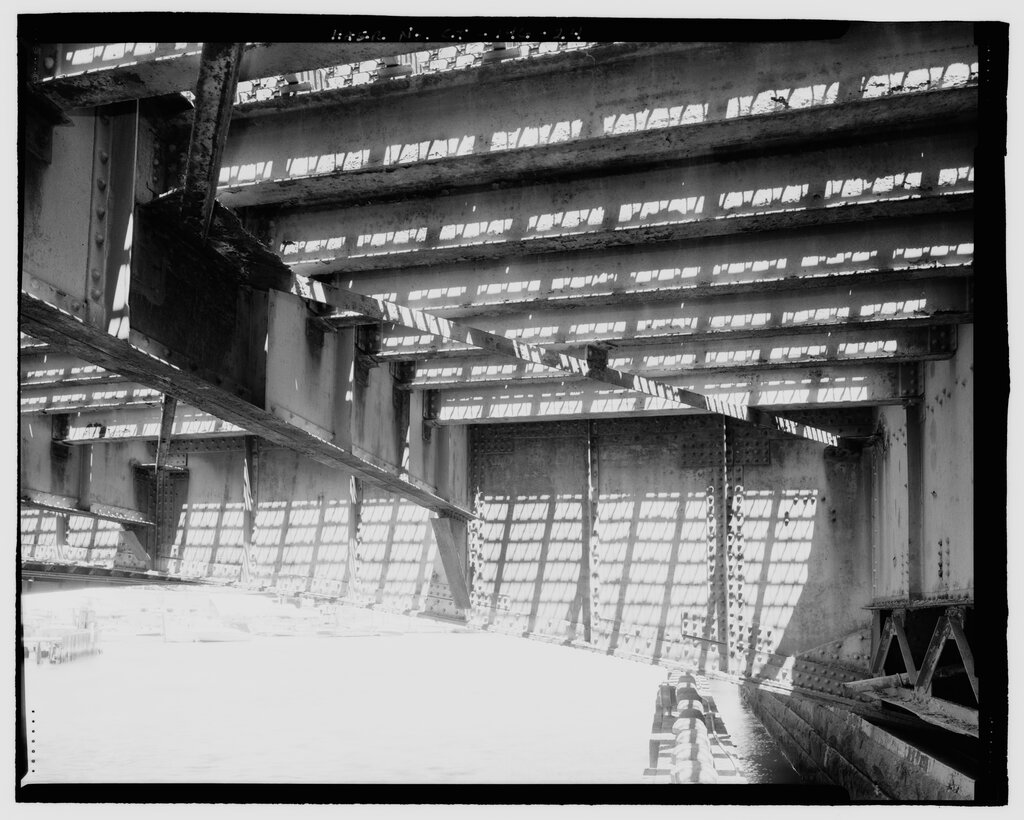
The simplest structural element is the beam. You can picture a beam as a plank of wood laid across a small stream. It’s a horizontal member supported at its ends that resists forces by bending. When you step on the middle of the plank, the top surface gets squeezed together, and the bottom surface gets stretched apart. This squeezing is called compression, and the stretching is called tension.
While a simple plank works for a small gap, spanning a wider river or a highway requires something much stronger. This is where girders come in. A girder is essentially a very large, strong beam. Often, a bridge deck will be supported by a whole grid of beams and girders working together. The main longitudinal girders handle the primary load, while smaller cross-beams distribute that load among them.
The Power of the Arch
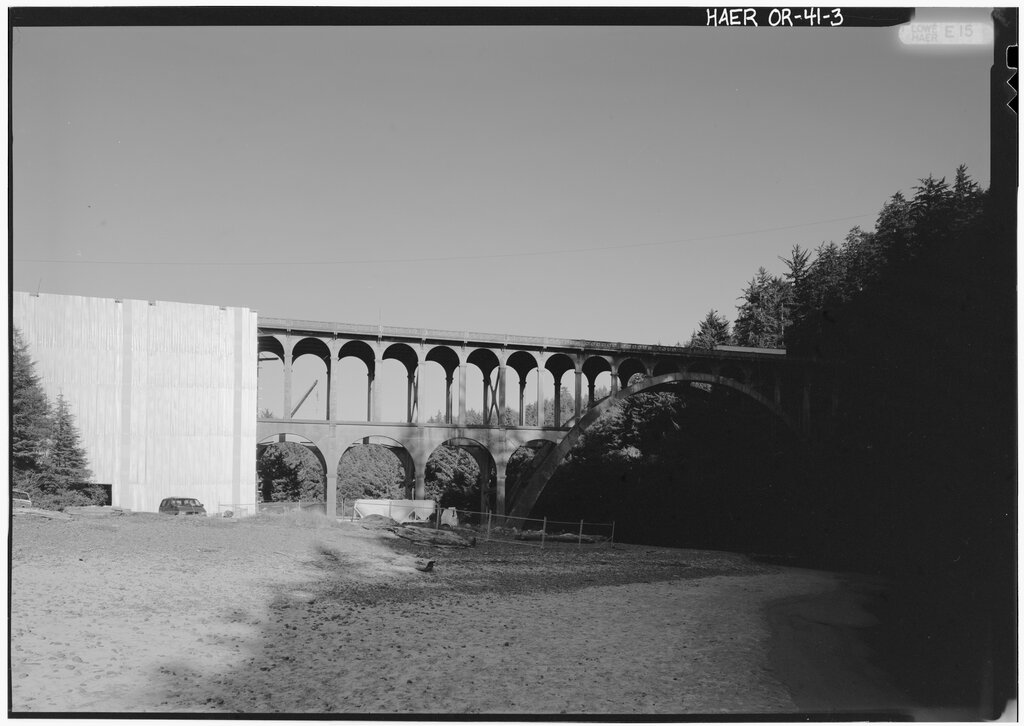
The arch is an ancient and incredibly effective structural form. Unlike a beam that handles loads by bending, an arch channels forces outwards along its curve. A load placed on top of an arch is converted into compression that pushes down and out into the supports at its base, called abutments.
This is why arches can be built from materials like stone or concrete, which are extremely strong under compression but weak under tension.
Hanging in the Balance
Cables are the opposite of arches: they are designed to work purely in tension. You can’t push on a rope, but you can pull on it with immense force. In bridge design, massive steel cables are used to hold up the bridge deck from above. This is the principle behind suspension and cable-stayed bridges.
Tension
noun
A pulling or stretching force. It is the state of being pulled taut.
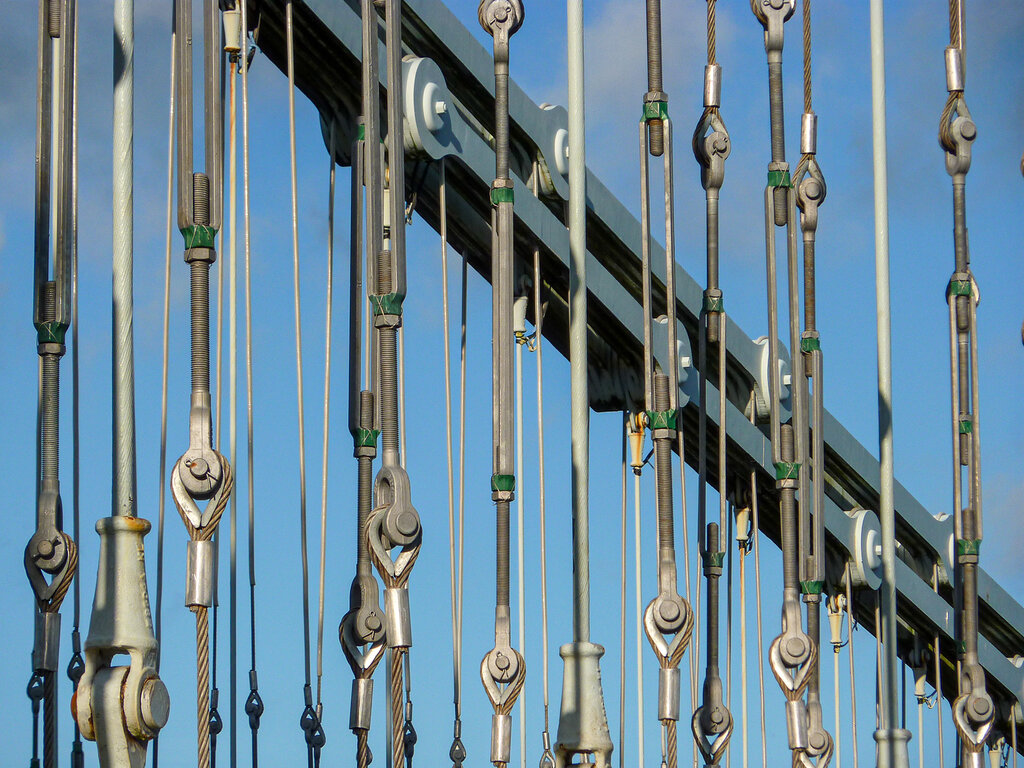
In a classic suspension bridge, two massive main cables are draped between tall towers. Smaller vertical cables, called hangers, drop from the main cable to hold up the deck. The weight of the deck and the traffic on it pulls down on the hangers, which pulls on the main cables. These main cables then transfer the entire load into the towers and, finally, into massive anchorages dug into the ground at either end.
Beams, arches, and cables are the essential components. By combining them, engineers create stable, strong, and sometimes beautiful structures that carry us safely on our way.