Breaking the Rumination Cycle
Understanding Rumination
The Mind's Hamster Wheel
Have you ever found yourself stuck on a thought, replaying a negative event or conversation over and over? It feels like a mental hamster wheel—you’re running and running but not getting anywhere. This pattern of repetitive negative thinking is called rumination.
Rumination
noun
The tendency to repetitively think about the causes, situational factors, and consequences of one's negative emotional experience.
Unlike productive reflection, which helps you learn from your experiences or solve problems, rumination keeps you stuck. Instead of finding a solution, you just keep reliving the problem. It’s the difference between reviewing a game to improve your strategy and just re-watching the moment you fumbled the ball on a loop.
What Triggers Rumination?
Rumination doesn't just happen out of the blue. It’s often kicked off by specific triggers. These can be external events or internal feelings.
Common triggers include:
- Stressful life events: Things like losing a job, ending a relationship, or facing a major health issue.
- Perceived social rejection or failure: A critical comment from your boss or feeling left out by friends can start the loop.
- Unresolved problems: When you face a conflict you don't know how to solve, your mind might chew on it endlessly.
- Personal insecurities: A tendency to be self-critical can make you more prone to ruminating on your perceived flaws.
Imagine you make a mistake during a presentation at work. Later that day, you find yourself thinking, "Why did I say that? Everyone must think I'm an idiot." You replay the moment for hours, each time feeling a fresh wave of embarrassment. The mistake is the trigger; the repetitive, self-critical thoughts are the rumination.
The Impact on Mental Health
While it might seem harmless, rumination is mentally draining and can have a serious impact on your well-being. It acts like a magnifying glass for negative emotions. The more you focus on what went wrong, the worse you feel. This creates a feedback loop: negative thoughts lead to negative feelings, which in turn fuel more negative thoughts.
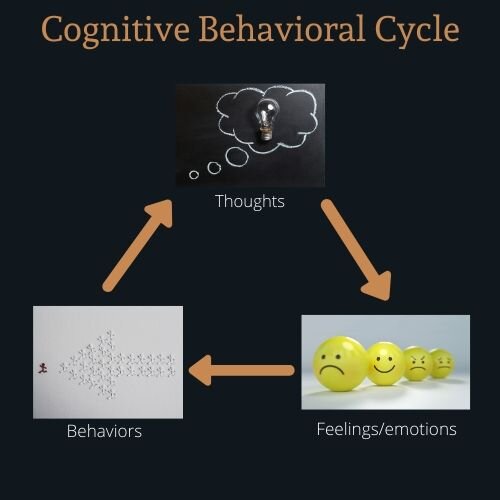
This cycle can intensify feelings of sadness and anxiety, making it harder to move forward. It can also interfere with your ability to focus, make decisions, and solve problems. You're so busy looking backward that you can't effectively deal with the present.
Rumination has been shown to be responsible for the high comorbidity of several mental disorder diagnoses, e.g., anxiety, mood, and psychotic disorders (Balzarotti et al., 2016; Silveira et al., 2020).
How to Spot It
The first step to breaking the cycle is recognizing when you're caught in it. Since it can feel like you're just "thinking things through," it can be tricky to spot. Here’s how you can tell the difference between rumination and productive reflection.
| Rumination (Unproductive) | Reflection (Productive) |
|---|---|
| Focuses on the problem and how bad you feel | Focuses on finding solutions or learning |
| Is repetitive and gets you stuck in the past | Is forward-looking and seeks new insights |
| Leads to feeling worse (more sad, anxious, or angry) | Leads to feeling better (more capable or clear-headed) |
| Asks "Why me?" or "Why did this happen?" | Asks "What can I do now?" or "What can I learn?" |
Next time you find yourself dwelling on something negative, pause and ask: Am I learning anything new here, or am I just spinning my wheels? Recognizing that you’re stuck is the key to eventually getting unstuck.