Bookkeeping Basics
Introduction to Bookkeeping
The What and Why of Bookkeeping
At its heart, bookkeeping is the process of recording a company's financial transactions. Think of it as keeping a detailed diary of every dollar that comes in and every dollar that goes out. This isn't just about jotting down numbers; it's about creating an accurate, day-to-day history of a business's financial life.
The main purpose is to have a clear and organized record of financial activities. This log helps business owners understand their financial health, track performance, and make informed decisions. Without it, you’re flying blind.
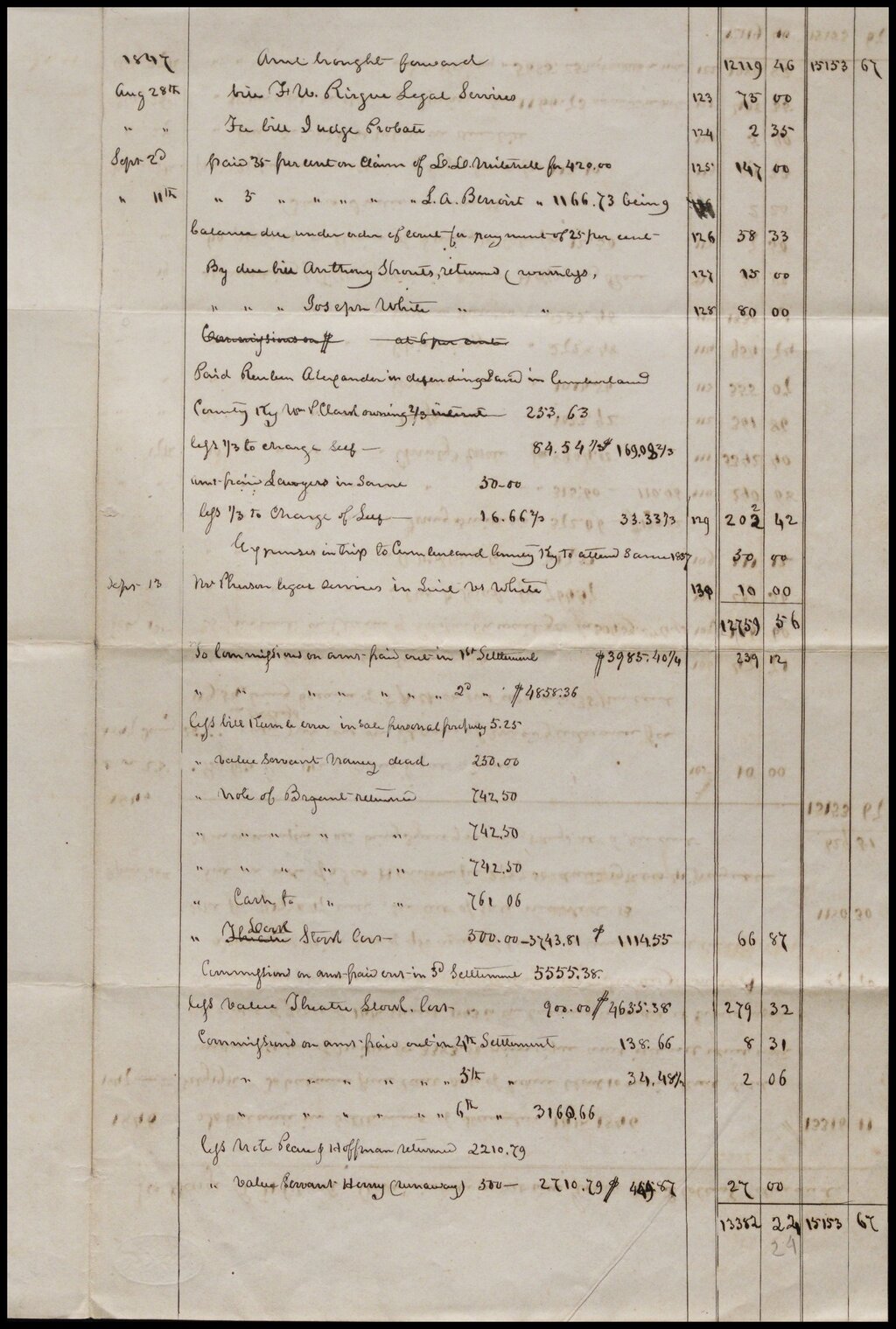
Why is accuracy so critical? Imagine trying to build a house with crooked measurements. The foundation would be weak, and the structure unstable. Inaccurate financial records create similar problems. They can lead to trouble with tax authorities, difficulty securing loans, and poor business strategy based on faulty information. Clean, precise books are the foundation of a healthy business.
Accurate records tell the true story of your business, helping you see what's working and what isn't.
Bookkeeping vs. Accounting
People often use the terms "bookkeeping" and "accounting" interchangeably, but they are different functions. They're related, but bookkeeping is the first step in a larger process.
Bookkeeping is the recording part. It’s the daily, methodical task of collecting and organizing financial data. An accountant, on the other hand, takes the data the bookkeeper has organized and puts it to work. Accounting involves interpreting, classifying, analyzing, reporting, and summarizing that financial data. If bookkeeping is about writing down the story's events as they happen, accounting is about analyzing the plot, characters, and themes to explain what the story means.
Two Ways to Keep the Books
There are two main methods for recording transactions: single-entry and double-entry bookkeeping.
The choice of system often depends on the size and complexity of the business.
Single-Entry System
This is the simpler of the two methods. It's much like maintaining a checkbook register. You record income and expenses in a single column or log. For each transaction, you make one entry. This system is straightforward and can be useful for very small businesses, sole proprietors, or freelancers who have uncomplicated financial activities.
For example, a freelance writer might use a simple spreadsheet to track money coming in from clients and money going out for software subscriptions or office supplies.
| Date | Description | Income | Expense | Balance |
|---|---|---|---|---|
| May 1 | Opening Balance | $500.00 | ||
| May 3 | Client Payment | $250.00 | $750.00 | |
| May 5 | Software License | $50.00 | $700.00 | |
| May 10 | Office Supplies | $25.00 | $675.00 |
Double-Entry System
This is the standard for most businesses, from small shops to large corporations. The core principle is that every transaction has two effects, and is therefore recorded in at least two different accounts. It's based on the fundamental accounting equation, which we'll explore later.
For instance, if a business buys a new computer for $1,000 in cash, two things happen. The company's cash decreases by $1,000, and its equipment (an asset) increases by $1,000. Double-entry bookkeeping captures both of these effects. This creates a balanced, self-checking system that is far less prone to errors than the single-entry method. It provides a more complete financial picture, which is essential for proper accounting.
Understanding these basic concepts is the first step toward mastering how businesses track and manage their money.