Bohemian Reformation
Hussite Movement
The Preacher from Prague
A full century before Martin Luther, a Bohemian priest named Jan Hus was already shaking the foundations of the Catholic Church. As a popular preacher and rector of Charles University in Prague, Hus saw corruption and moral decay within the church leadership. He argued that the Bible, not the Pope or clergy, was the ultimate religious authority.
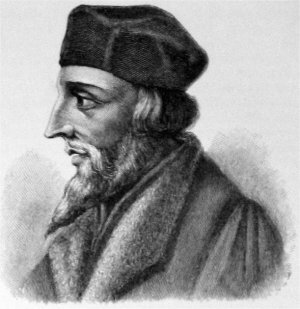
Hus was especially critical of the sale of indulgences, which were documents sold by the Church that promised to reduce time in purgatory. To Hus, this practice looked like selling salvation, a profound spiritual corruption. He preached in the common Czech language, not Latin, making his ideas accessible and incredibly popular with the local people.
Jan Hus also denounced the moral failings of bishops and even the papacy from his pulpit and opposed the sale of indulgences, Church documents which supposedly shortened or terminated a soul’s stay in purgatory.
His growing influence alarmed church leaders. In 1414, Hus was summoned to the Council of Constance to defend his views. Despite being promised safe passage, he was arrested, tried for heresy, and in 1415, burned at the stake. But his death did not silence his message. Instead, it ignited a firestorm.
The Hussite Wars
The execution of Jan Hus outraged his followers in Bohemia, who saw him as a martyr. What began as a theological dispute erupted into a full-blown rebellion against both the Holy Roman Emperor and the Pope. This conflict, known as the Hussite Wars, lasted for nearly two decades.
The Hussites, though often outnumbered, were brilliant military innovators. Led by commanders like Jan Žižka, they used wagon forts—mobile fortifications made of wagons chained together—to counter the heavily armored knights of the papal crusades. The movement itself was not unified, splitting into factions like the more moderate Utraquists and the radical Taborites, but they often united against their common enemies.
The Hussites defeated four more consecutive papal crusades between 1420 and 1431 in what became known as the Hussite Wars.
For years, the Hussite armies proved nearly invincible, successfully repelling crusade after crusade sent to crush them. Their victories stunned Christendom and forced the Catholic Church to the negotiating table.
The Utraquist Church
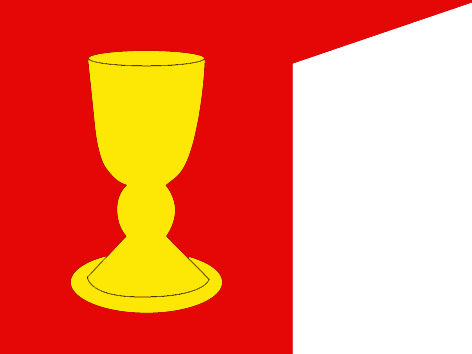
The central demand of the moderate Hussites, the Utraquists, was for communion "in both kinds." In Latin, this was sub utraque specie, which is where the name Utraquist comes from. At the time, the laity (ordinary church members) were only given the bread during communion, while the clergy received both bread and wine. The Hussites demanded the chalice, symbolizing a more direct and equal connection to God for all believers.
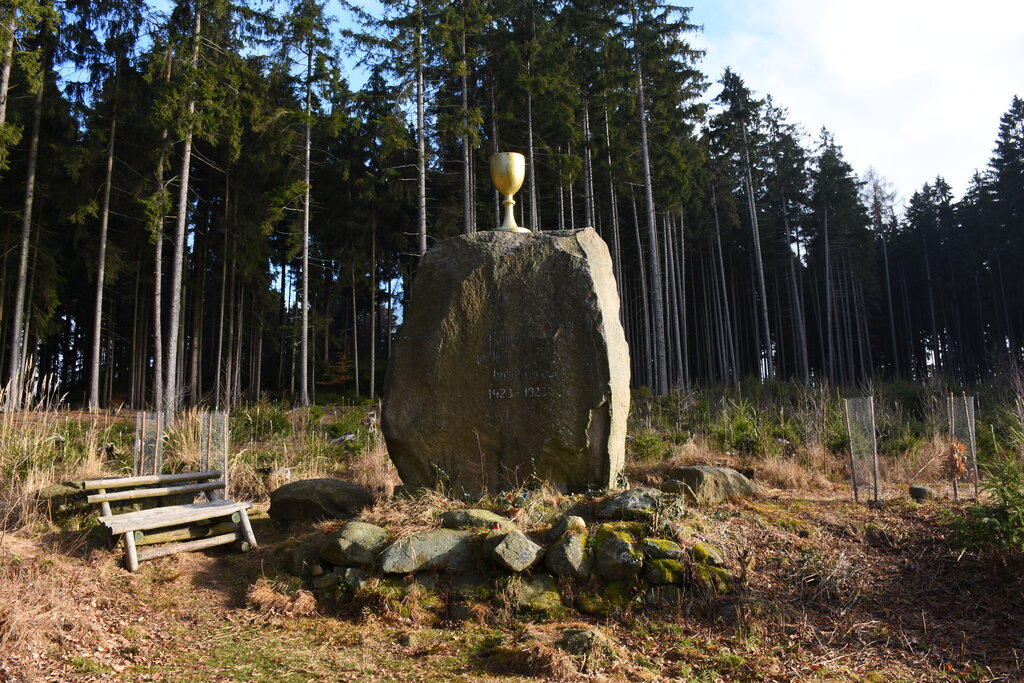
After years of war, the Council of Basel finally negotiated a peace in 1436. The resulting agreement, known as the Compacts of Basel, granted the main Hussite demands, including communion in both kinds. This act officially recognized the Utraquist Church as a distinct religious body within Bohemia, existing alongside the Catholic Church. It was a historic compromise and the first time a "heretical" group was tolerated within Catholic Europe.
The first major successful revolt against the Church were the Hussite wars – a 100 years before the Martin Luther’s Ninety Five Theses (in 1517).
The Hussite movement successfully challenged papal authority and established a national church that practiced according to its own beliefs, setting a powerful precedent for the sweeping changes of the Protestant Reformation that would follow a century later.
Ready to test your knowledge?
What was the central theological demand of the moderate Hussites, known as the Utraquists?
Which of the following was a primary teaching of Jan Hus that set him against the Catholic Church leadership?
The Hussite rebellion was a crucial, early chapter in the story of religious reform in Europe, demonstrating that the authority of the established Church was not unshakeable.