Bluegrass and Irish Fiddle Traditions
Introduction to Bluegrass and Irish Fiddle Music
High and Lonesome Sound
Bluegrass music sounds like it was born in the mountains, and in many ways, it was. Its roots run deep in the Appalachian region of the United States, a cultural melting pot for immigrants from Ireland, Scotland, England, and Wales. They brought with them the folk songs and fiddle tunes of their homelands. These old melodies mingled with the rhythms and banjo styles of African American musical traditions, creating a sound that was entirely new.
While the ingredients were simmering for decades, bluegrass as we know it was truly born in the 1940s with Bill Monroe and his band, the Blue Grass Boys. Monroe, often called the “Father of Bluegrass,” combined the raw, emotional singing style known as the “high, lonesome sound” with driving rhythms and virtuosic instrumental solos. His band featured the classic five-instrument lineup: fiddle, banjo, mandolin, guitar, and upright bass. This combination created a powerful, acoustic sound that became the blueprint for all bluegrass to follow.
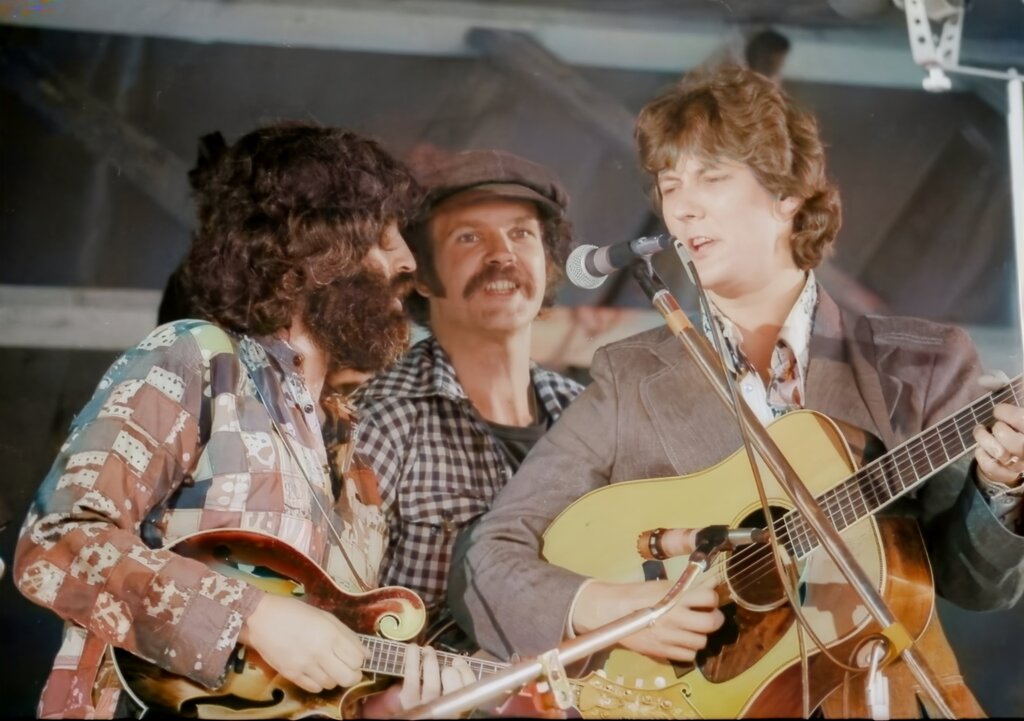
Key figures like Earl Scruggs, with his revolutionary three-finger banjo style, and Lester Flatt, with his smooth vocals and guitar runs, helped solidify the sound of bluegrass alongside Bill Monroe.
The Heartbeat of the Irish Pub
Across the Atlantic, another fiddle tradition was thriving, one far older than bluegrass. In Ireland, fiddle music is the backbone of traditional music, a living history passed down through generations. For centuries, it has been the soundtrack to Irish life, played at dances, weddings, and community gatherings known as céilís. It’s music meant for participation, not just for listening.
Unlike bluegrass, which was born from a mix of cultures, traditional Irish music developed more insularly. Tunes were passed down aurally, from musician to musician, with regional styles developing their own distinct flavors. The music tells stories of hardship, celebration, and longing. During times of great struggle, like the Great Famine, this music was a vital thread that helped hold communities together, preserving cultural identity in the face of immense loss.
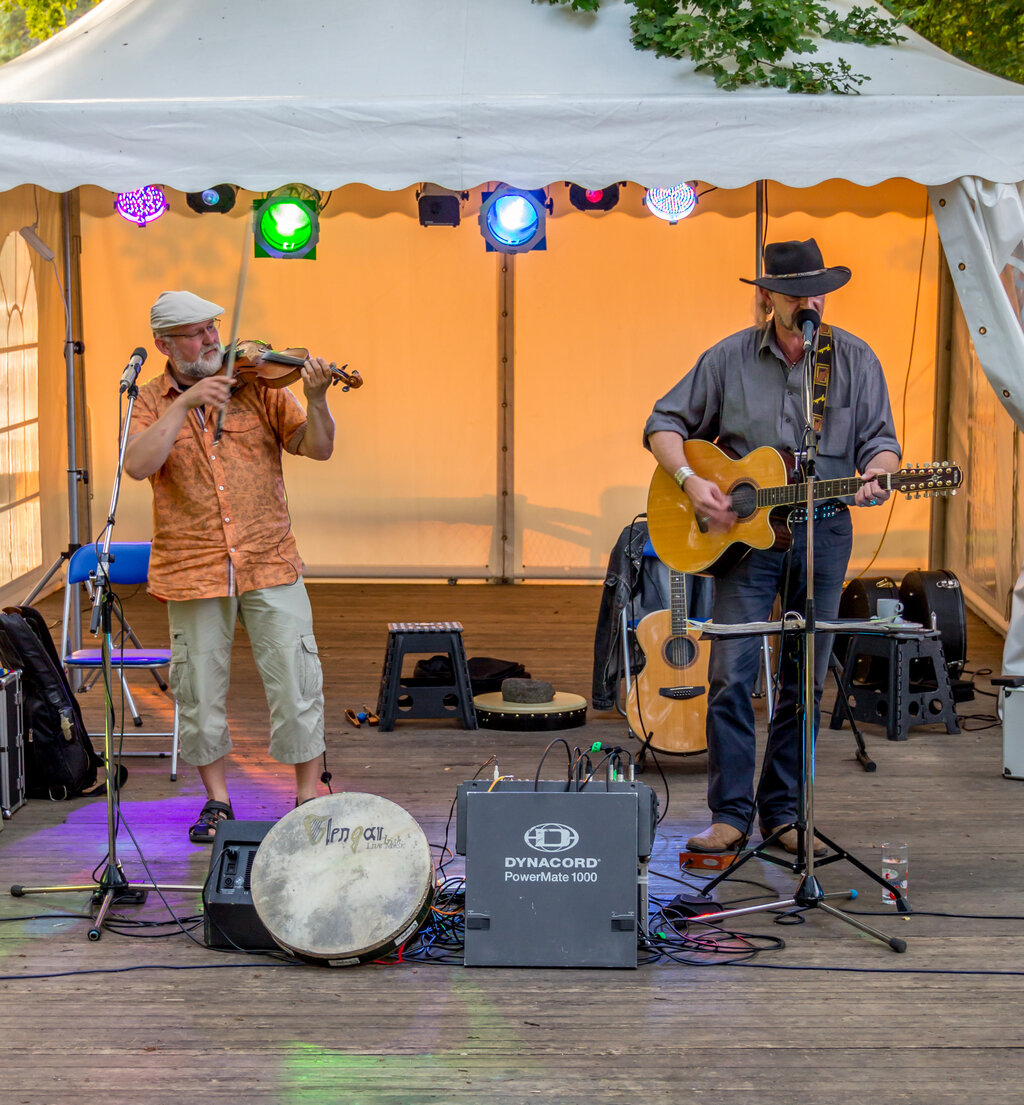
Iconic figures like Michael Coleman, whose recordings in the 1920s brought the Sligo fiddle style to a global audience, helped codify and spread the tradition. His playing inspired countless fiddlers in Ireland and abroad, ensuring the music would continue to evolve while staying true to its roots.
A Shared Tune
Though they developed on different continents, bluegrass and Irish fiddle music are distant cousins. Many of the fiddle tunes that form the core of the bluegrass repertoire can be traced back to Irish and Scottish reels and jigs. When immigrants brought these melodies to Appalachia, they were adapted over time, played with a different rhythm and feel, but the melodic DNA remained.
The key difference lies in the context. Irish fiddle music is often played for dancers, with a steady, lilting rhythm. Bluegrass is performance-oriented, emphasizing speed, improvisation, and instrumental prowess.
Both traditions are deeply tied to a sense of place and community. For bluegrass, it’s the rugged independence of the American mountains. For Irish music, it’s the close-knit social fabric of towns and villages. They are both powerful expressions of cultural heritage, carried forward by the bow and strings of the fiddle.
Ready to test your knowledge?
Bluegrass music originated from a blend of which two broad cultural traditions?
Who is considered the “Father of Bluegrass,” and what is the name of his band?
Now that you have a grasp of where these two styles come from, you're ready to dive into what makes their sounds so unique.