Blockchain Fundamentals
Introduction to Blockchain
What Is a Blockchain?
Think of a shared digital notebook. Everyone in a group has an identical copy. When someone adds a new entry, it appears in everyone else's notebook almost instantly. No single person owns the notebook; the group collectively maintains it. This makes the record of entries public and hard to tamper with because you'd have to change every single copy at the same time.
At its core, a blockchain is just that: a shared, unchangeable digital ledger. Its main purpose is to record transactions or information in a secure and transparent way, without needing a central authority like a bank or government to oversee it.
Ledger
noun
A book or other collection of financial accounts of a particular type.
At its most basic level, a blockchain is a digital ledger maintained by a decentralized network of computers.
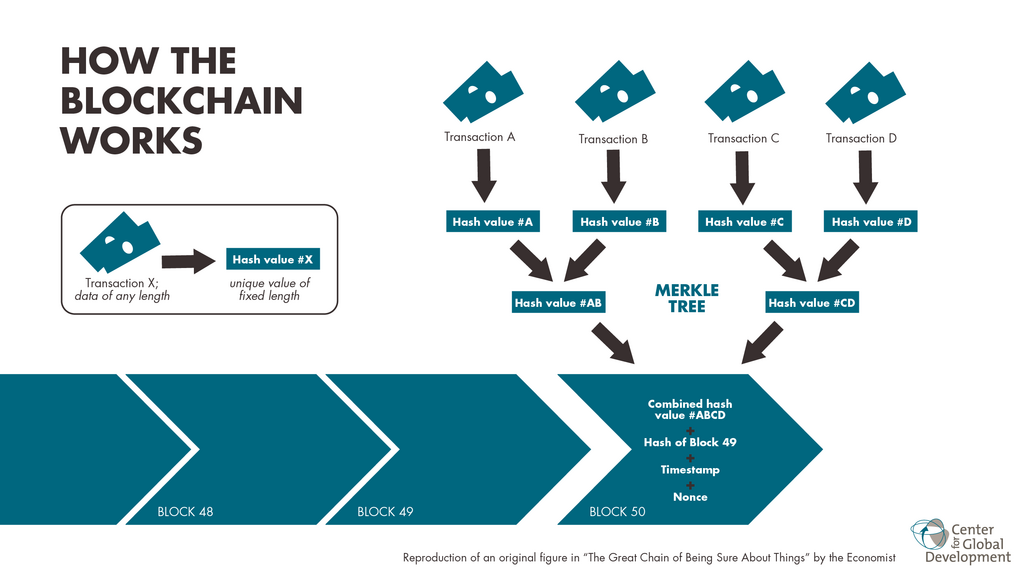
Instead of one person or organization holding the records, the ledger is distributed among many participants across a network. Each new transaction is bundled into a “block” and added to the “chain” of previous transactions, creating a chronological, unbroken record.
The Core Characteristics
Three key properties make blockchain technology unique and powerful: decentralization, transparency, and immutability.
Decentralization means there is no single point of control. Traditional systems, like your bank account, are centralized. The bank owns the ledger and has final say over it. In a blockchain, the ledger is shared and maintained by a network of computers. This distribution of power makes the system more resilient. If one computer goes offline, the network continues to run.
Transparency refers to the fact that transactions on a blockchain are often public. While the identity of the participants can be anonymous (represented by a string of characters), the record of transactions itself is typically open for anyone on the network to see and verify. This visibility helps build trust among participants.
Immutability means that once a transaction is recorded on the blockchain, it cannot be altered or deleted. Each block is cryptographically linked to the one before it, forming a secure chain. To change a block, a person would have to alter all subsequent blocks on a majority of the computers in the network, which is practically impossible. This makes the ledger a permanent and tamper-proof record.
A Brief History
The core ideas behind blockchain technology have been around for a while. In the early 1990s, researchers Stuart Haber and W. Scott Stornetta described a method for time-stamping digital documents to prove they hadn't been tampered with. Their work laid the foundation for the concept of a secured chain of blocks.
However, blockchain remained a niche academic concept until 2008. That year, a person or group using the pseudonym Satoshi Nakamoto published a whitepaper called "Bitcoin: A Peer-to-Peer Electronic Cash System." This paper outlined the first practical application of blockchain technology, creating a decentralized digital currency.
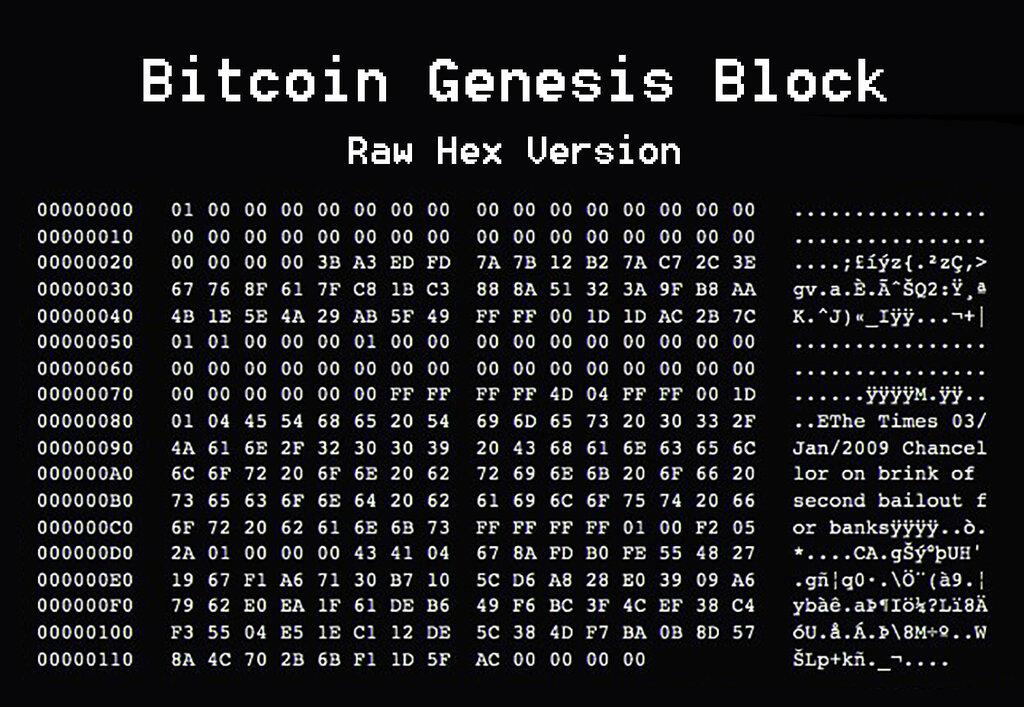
Bitcoin introduced the world to blockchain, but the technology's potential quickly became apparent beyond just cryptocurrency. Developers and innovators realized that this decentralized ledger system could be used to securely record and verify any kind of digital information, from property records and voting results to supply chain data.
This realization sparked a wave of innovation, leading to the evolution of blockchain as a foundational technology for a wide range of new applications and industries.
Now that you understand the basics, let's test your knowledge.
What is the primary purpose of a blockchain?
The property that ensures a transaction, once recorded on the blockchain, cannot be altered or deleted is known as ____.