Blockchain and Smart Contracts Explained
Introduction to Blockchain
A Ledger That Can't Be Erased
At its heart, a blockchain is a special kind of digital notebook. Think of it as a ledger that's shared among many computers. Once something is written down in this ledger, it’s extremely difficult to change or remove it. This makes it a powerful tool for keeping a trustworthy record of transactions or data.
The main purpose of blockchain is to allow people who may not know or trust each other to share valuable information in a secure, tamper-proof way. It does this without needing a central authority, like a bank or government, to act as a middleman.
At its most basic level, a blockchain is a digital ledger maintained by a decentralized network of computers.
This is possible because the ledger is both decentralized and distributed. Decentralized means there's no single point of control. Distributed means that every computer in the network holds a complete copy of the ledger. If one person tries to alter their copy, it won't match everyone else's, and the network will reject the change. This collective oversight keeps the record honest.
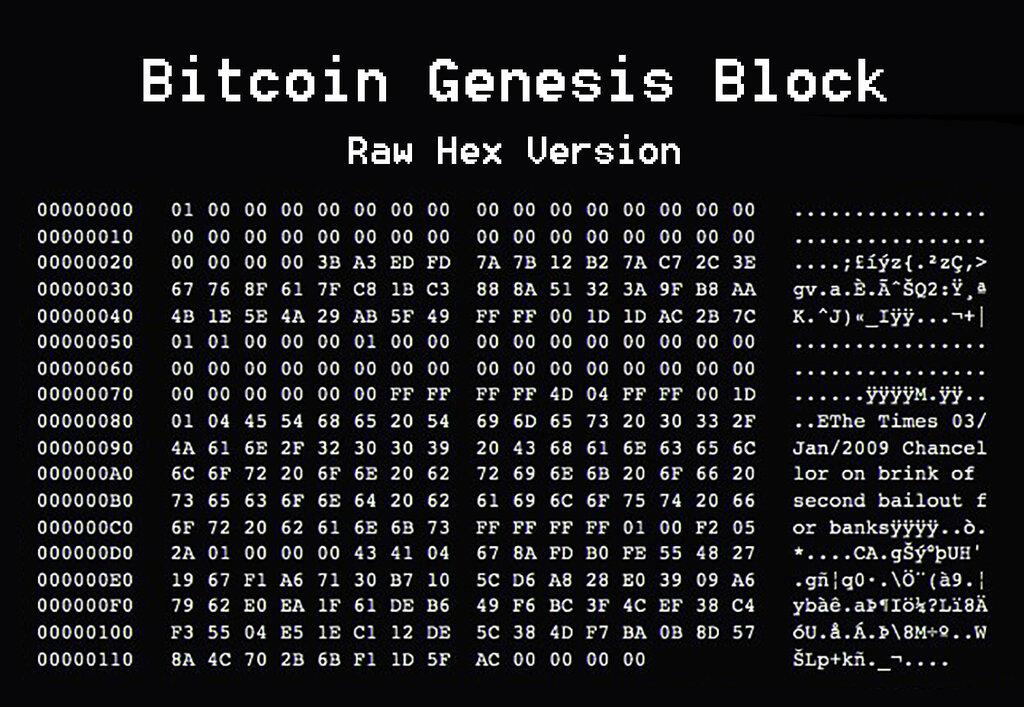
The first and most famous blockchain was created in 2009 to power the cryptocurrency Bitcoin. A person or group known as Satoshi Nakamoto created it to be a public ledger for all Bitcoin transactions. While it started with digital currency, people quickly realized the technology could be used for much more.
The Building Blocks
A blockchain gets its name from how it's structured. Information is grouped together into blocks. Each block is like a page in our digital ledger. It contains a list of recent transactions, a timestamp, and a special piece of data that links it to the previous block.
Node
noun
A computer connected to a blockchain network that helps maintain and secure the ledger.
These blocks are connected in chronological order, forming a chain. The link between them is cryptographic. Each block contains a unique digital fingerprint called a hash. Critically, it also includes the hash of the block that came before it. This is what locks the blocks together in a secure chain. If someone tried to alter the data in an old block, its hash would change. That would break the link to the next block, and the entire network would immediately notice the discrepancy.
Keeping Everyone Honest
Since there's no central authority, how does the network agree on which new blocks to add to the chain? This is solved through a consensus mechanism. It's a set of rules that all the nodes in the network follow to validate transactions and agree on a single version of the truth.
Think of it like a vote. Before a new block can be added, a majority of the computers (nodes) on the network must agree that its transactions are valid. This process makes it incredibly difficult for any single bad actor to add fraudulent transactions, as they would need to control a huge portion of the network to force an agreement.
This combination of decentralization, cryptographic linking, and a consensus mechanism is what gives a blockchain its high level of security and data integrity.
This fundamental architecture ensures that once data is recorded on the blockchain, it is permanent and verifiable by anyone on the network. This creates a foundation of trust without needing to trust any single participant.
Ready to check your understanding of these core concepts?
What is the main purpose of a blockchain?
In a blockchain, what directly links one block to the previous one, ensuring the chain's integrity?
These building blocks—the decentralized ledger, the chain of cryptographic blocks, and the consensus rules—form the basis of all blockchain technology. While it started with finance, this system of secure, transparent record-keeping is now being explored for countless other uses.