Blockchain and Bitcoin Basics
Introduction to Digital Currency
Money in the Digital Age
Most of the money we use today is already digital. When you tap your card to buy groceries or send money to a friend through an app, you're not moving physical cash. You're just changing numbers in a bank's digital ledger. Digital currency is the next step in this evolution. It's a form of money that exists only in a digital or electronic form, not as physical bills or coins.
Think of it like the difference between sending a letter and sending an email. A traditional letter has to be physically written, put in an envelope, and carried by mail services to its destination, which takes time. An email is sent instantly across the world with just a click. Digital currencies aim to do for money what email did for communication: make it faster, more efficient, and accessible globally.
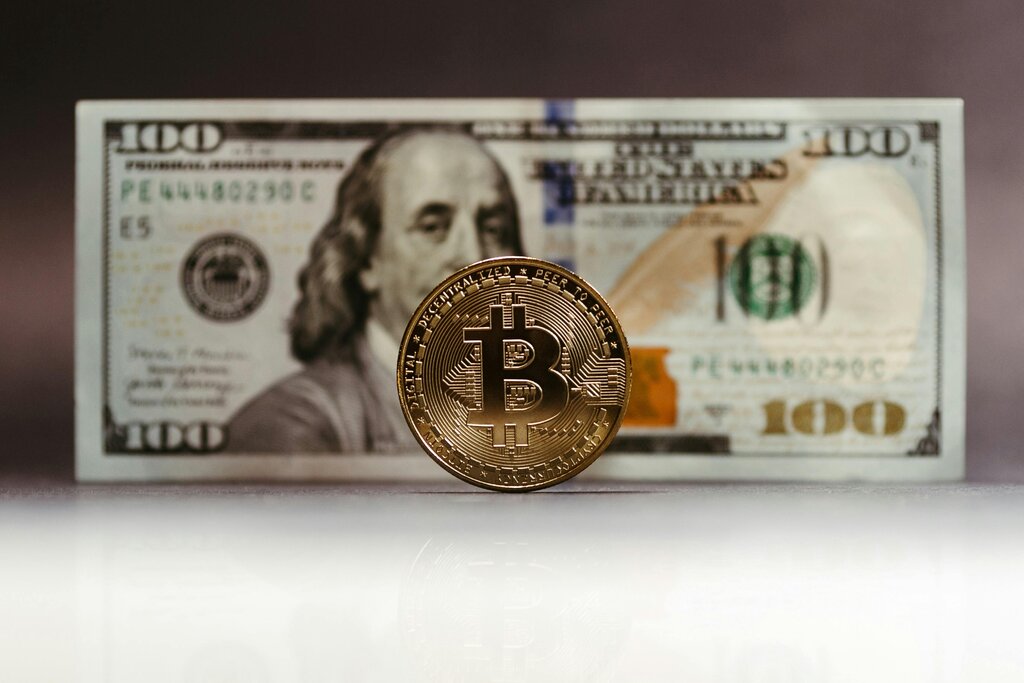
Unlike the digital dollars in your bank account, which are managed by a central bank, many digital currencies are decentralized. This means they aren't controlled by any single company or government. This key difference opens up new possibilities for how we interact with money.
The Evolution of Money
Money hasn't always been paper and coins. Before any form of currency existed, people used a barter system. If you had chickens and needed bread, you had to find a baker who wanted chickens. This was inefficient. You needed what economists call a "double coincidence of wants"—both people had to have exactly what the other desired.
To solve this, societies started using commodity money, where objects with inherent value were used as a medium of exchange. This included things like salt, shells, or cattle. Over time, metals like gold and silver became the standard because they were durable, easy to carry, and divisible.
Then came paper money, which was initially just a receipt you could exchange for a certain amount of gold or silver. Eventually, most countries moved to fiat currency. Fiat money isn't backed by a physical commodity; it has value simply because a government declares that it does, and people trust that government. The dollars, euros, and yen we use today are all fiat currencies. Digital currency is the latest chapter in this long story.
Why We Need Digital Currencies
If our current system works, why invent a new form of money? While the modern financial system is a marvel, it has limitations. Sending money across borders, for example, can be slow and costly. It often involves multiple banks, each taking a fee and adding days to the transaction time.
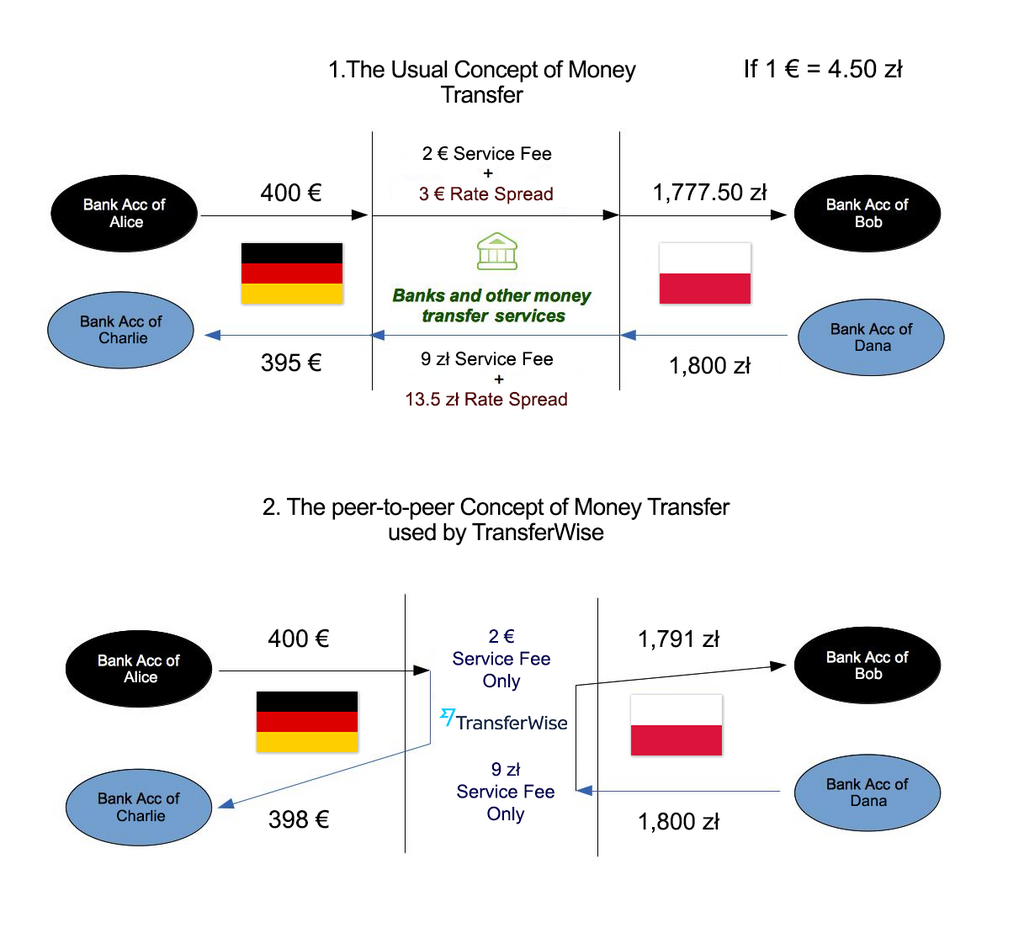
Digital currencies are built for the internet. They can be sent directly from one person to another, anywhere in the world, in minutes or even seconds. Because they often cut out the middlemen like banks, the fees can be significantly lower. They also operate 24/7, without regard for banking hours or holidays.
Another powerful motivation is financial inclusion. Billions of people worldwide lack access to basic banking services, but many of them own a smartphone. Digital currencies could allow anyone with an internet connection to participate in the global economy, save money, and build a better future.
This is just the beginning of the journey. While digital currencies are still new and evolving, they represent a fundamental rethinking of what money is and how it can work in an increasingly connected world.
What is a key distinction between the digital money in your bank account and many of the new digital currencies described in the text?
The evolution of money began with a barter system. What major inefficiency of bartering did commodity money, like salt or shells, help to solve?