Bitcoin Fundamentals
Introduction to Bitcoin
What Is Bitcoin?
Bitcoin is a type of digital money. You can think of it as cash for the internet. Its main goal is to let people send payments directly to each other online, without needing a bank or any other middleman to approve the transaction.
This idea was introduced in 2008 in a paper called "Bitcoin: A Peer-to-Peer Electronic Cash System." The author used the name Satoshi Nakamoto, but to this day, no one knows who that person or group of people really is.
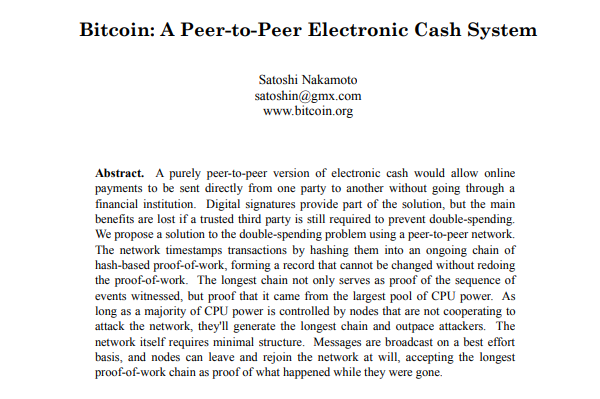
The core problem Bitcoin aimed to solve was the need for trust in online payments. When you buy something online with a credit card, you're trusting a bank to handle the transaction correctly. Bitcoin was designed to work without that trust, using a shared public record called a blockchain.
How Bitcoin Is Different
Bitcoin isn't just a digital version of the dollar or euro. It operates on a completely different set of rules that make it unique.
First, it's decentralized. Traditional currencies are controlled by central banks and governments. They can print more money, freeze accounts, and set the rules. Bitcoin has no central authority. It's run by a network of computers around the world, meaning no single person or company is in charge.
Second, there is a limited supply. Only 21 million bitcoins will ever be created. This is written into the software's code and can't be changed. Traditional currencies, often called "fiat" currencies, can be printed whenever a central bank decides to, which can lead to inflation and decrease the money's value over time.
Finally, Bitcoin transactions are pseudonymous. This means they aren't tied to your real-world identity, like your name or address. Instead, they are linked to a Bitcoin address, which is a string of letters and numbers. While this provides a layer of privacy, all transactions are recorded on a public ledger, so they aren't completely anonymous.
Decentralized, limited in supply, and pseudonymous—these core features make Bitcoin fundamentally different from the money we use every day.
| Feature | Bitcoin | Traditional Fiat Currency (e.g., USD) |
|---|---|---|
| Control | Decentralized (no single entity) | Centralized (government & central bank) |
| Supply | Capped at 21 million | Unlimited (can be printed) |
| Transparency | Public ledger of all transactions | Private (transactions known only to parties involved and bank) |
| Creation | Digital "mining" by computers | Printed by a government mint |
Bitcoin in the Real World
So what is Bitcoin actually used for? Its uses have evolved since 2009.
Some people see it as "digital gold," a way to store value outside of the traditional financial system. Because of its limited supply, they believe it can hold its value against inflation better than fiat currencies.
Others use it as a medium of exchange. A growing number of businesses accept Bitcoin for goods and services. It's also used for international payments, as it can be faster and cheaper than traditional wire transfers, which often involve multiple banks and high fees.
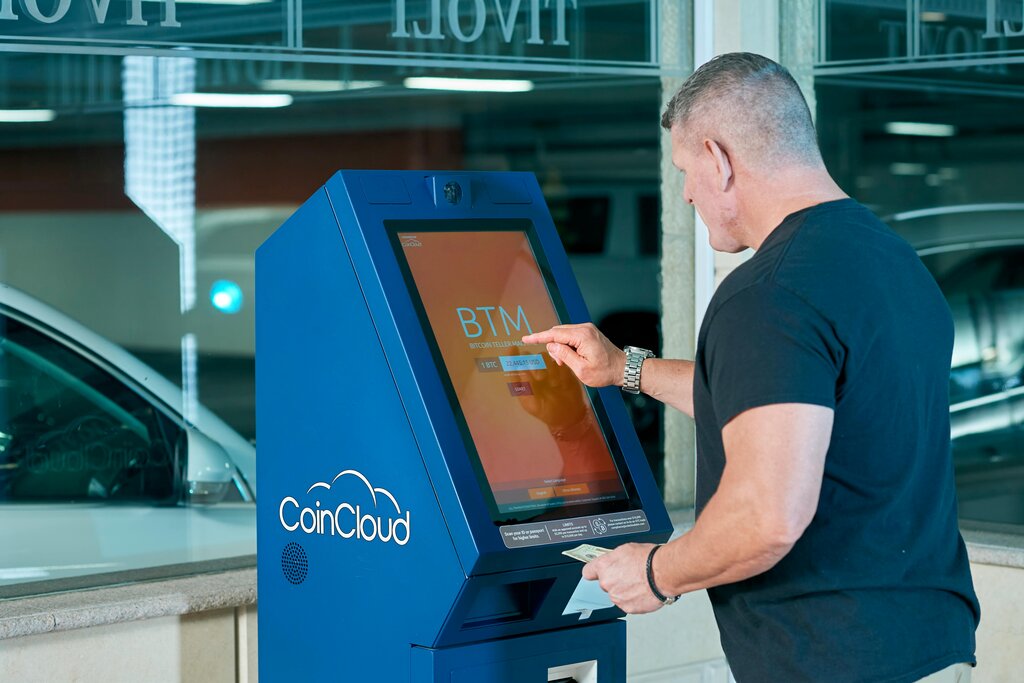
Adoption varies around the world. In countries with unstable economies or currencies, some people use Bitcoin to protect their savings from rapid inflation. It has also gained traction as an investment asset, with many people buying it in the hope that its value will increase over time.
Despite its growth, Bitcoin is still a relatively new and experimental technology. Its price can be very volatile, and its future role in the global economy is still being debated.
Ready to check your understanding?
What was the main problem Bitcoin was designed to solve?
Who is credited with creating Bitcoin?
Bitcoin introduced a new way to think about money, one that doesn't rely on traditional gatekeepers. By being digital, decentralized, and finite, it presents a unique alternative to the financial systems we've known for centuries.