Biodiesel Production from Coconut Waste
Introduction to Biodiesel
A Cleaner Fuel
Most of the world runs on fossil fuels like petroleum diesel. These fuels come from finite resources buried deep in the Earth and release harmful emissions when burned. Biodiesel offers a renewable alternative. It’s a fuel derived from natural, biological sources like vegetable oils, animal fats, or even recycled cooking grease.
Unlike petroleum diesel, which is a fossil fuel, biodiesel is a biofuel. This means it comes from living matter, making it a renewable resource.
One of the biggest advantages of biodiesel is its environmental impact. It burns cleaner than petroleum diesel, releasing fewer pollutants like soot, carbon monoxide, and sulfur dioxide. Because the carbon in biodiesel comes from plants that recently absorbed carbon dioxide from the atmosphere, it contributes much less to the net increase of greenhouse gases. Biodiesel is also biodegradable and less toxic than petroleum diesel, so spills are less damaging to the environment.
How Biodiesel is Made
The process of making biodiesel is essentially a chemical transformation. It starts with a feedstock, which is the raw oil or fat. This feedstock is mixed with an alcohol, typically methanol, and a catalyst to speed up the reaction. This process is called transesterification.
In simple terms, the process breaks down the large molecules of fats and oils into smaller molecules of biodiesel. A thick, syrupy substance called glycerin is also produced as a byproduct.
After the reaction, the mixture separates. The lighter biodiesel floats to the top, while the heavier glycerin settles at the bottom. The biodiesel is then purified to remove any remaining alcohol, catalyst, or glycerin, resulting in a clean-burning fuel ready for use.
Turning Waste into Fuel
While biodiesel can be made from fresh vegetable oils, one of its most powerful applications is turning waste into a valuable resource. Using waste materials as a feedstock is a key part of making biodiesel truly sustainable. This approach tackles two problems at once: it provides a source for renewable energy and it reduces the amount of waste sent to landfills.
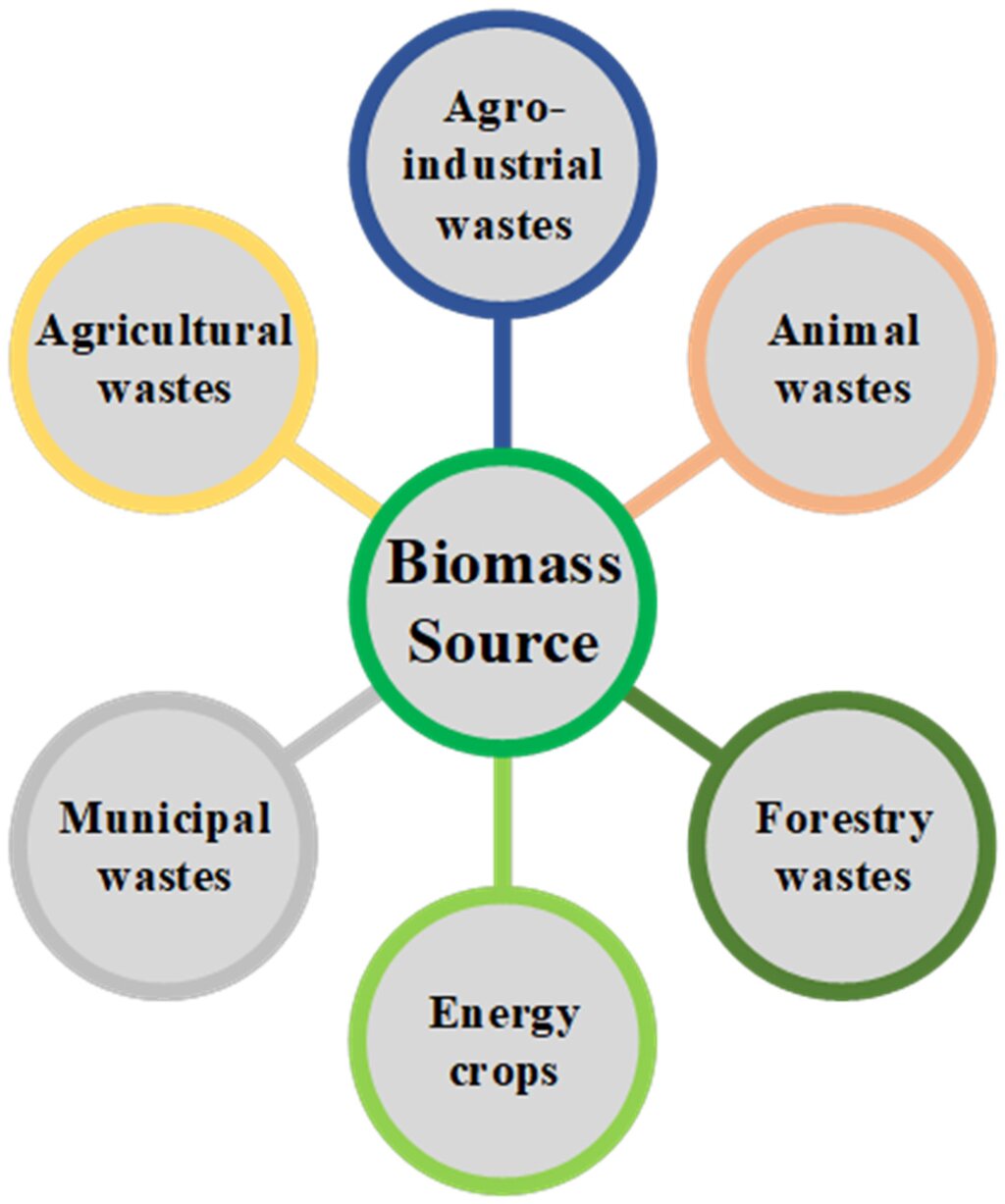
Common waste feedstocks include used cooking oil from restaurants, leftover animal fats from meat processing facilities, and even algae grown in wastewater. These materials are often cheap or free and would otherwise be difficult to dispose of.
More recently, researchers have focused on industrial and agricultural byproducts. For example, the process of producing coconut oil and other coconut products generates a significant amount of waste, including a residue known as coconut sludge. This sludge, rich in oil, is a promising and sustainable feedstock for creating biodiesel. By using it, we not only produce fuel but also clean up waste from another industry, creating a more circular economy.
What is the name of the chemical process that converts oils and fats into biodiesel?
Which of the following is a primary environmental benefit of using biodiesel compared to petroleum diesel?
This approach highlights a key principle of modern sustainability: finding value in what we used to throw away.