Become a Strategic Decoding Facilitator
Introduction to Strategic Decoding Facilitation
What Is Strategic Facilitation?
Strategic decoding facilitation is the process of guiding a group to clarify its vision, solve complex problems, and create a roadmap for the future. It’s not about having all the answers. Instead, it’s about asking the right questions and creating a space where a team can find its own answers.
The "decoding" part is crucial. An organization might have a big, ambitious goal, but the path to get there is often tangled and unclear. A facilitator helps the team untangle it. They decode the complex jargon, conflicting opinions, and hidden assumptions to reveal a clear, shared understanding. It's like being a translator for a team's own ideas.
Facilitator
noun
Someone who helps a group understand their common objectives and assists them in planning how to achieve them, without taking a particular side in the discussion.
Think of a facilitator as the conductor of an orchestra. Each musician is an expert on their instrument, but the conductor ensures they all play in harmony to create a beautiful piece of music. Similarly, a facilitator doesn't tell the team members what to do but helps them work together effectively to achieve their strategic goals.
Why It Matters
Without a dedicated guide, strategic planning sessions can easily go off the rails. Discussions can be dominated by the loudest voices, detoured by minor disagreements, or stuck in endless circles without reaching a decision. The presence of a neutral facilitator changes the dynamic.
A facilitator is an impartial guide who manages the process, allowing the team to focus entirely on the content of the discussion. This neutrality is their superpower. Since they have no stake in the outcome other than helping the group succeed, they can manage conflicts, ensure all perspectives are heard, and keep the conversation focused and productive.
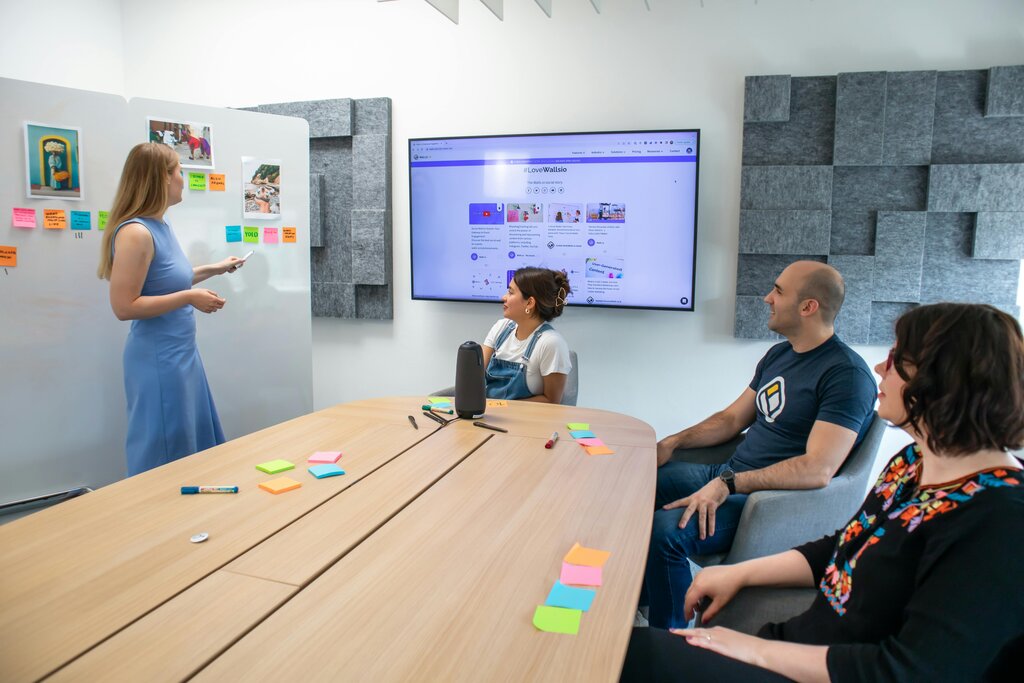
This structured approach builds alignment and ownership. When team members feel heard and are actively involved in shaping the strategy, they are more likely to be committed to its implementation. The process isn't just about creating a plan; it's about building the shared understanding and enthusiasm needed to bring that plan to life.
The facilitator’s role is to encourage the group to appreciate and evaluate its decision-making processes and to move it through divergent to convergent conversations.
A Facilitator's Core Responsibilities
A strategic facilitator wears many hats, but their core responsibilities boil down to a few key areas.
Designing the Process: Before a meeting even starts, the facilitator works with leaders to clarify the goals. They then design a series of activities and conversations to help the group meet those goals efficiently. This is the blueprint for the session.
With a solid plan in place, the facilitator then focuses on guiding the group through it.
Guiding the Conversation: During the session, the facilitator acts as a traffic cop for ideas. They encourage participation from everyone, keep the discussion on track, and make sure the group's time is used well. They listen actively, synthesize different points of view, and help the team move forward.
Finally, their job is to ensure the conversation leads to a tangible result.
Capturing Outcomes: A great conversation is only useful if its results are remembered. The facilitator ensures that key decisions, insights, and action items are clearly documented. This creates a concrete record of what was decided and who is responsible for what comes next.
In short, strategic facilitation provides the structure and guidance that allows a team's collective intelligence to shine, turning complex challenges into clear, actionable strategies.