Baking Cholesterol-Free Biscuits
Baking Basics
The Building Blocks of Baking
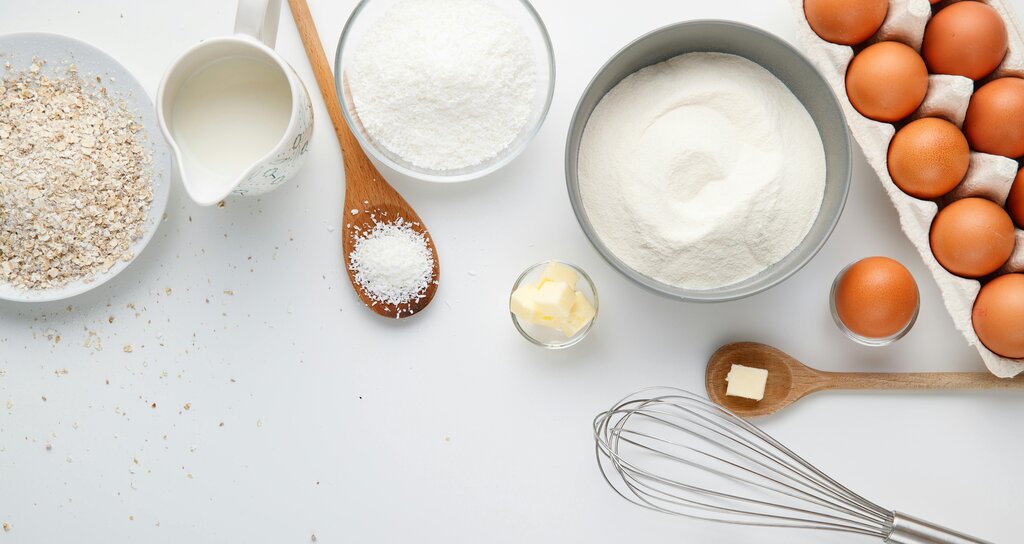
Every great baked good starts with the same cast of characters. Understanding what each one does is the first step to becoming a confident baker. Think of it like chemistry: each ingredient has a specific job.
-
Flour: This is the foundation. It provides structure. When mixed with liquid and worked, proteins in the flour called gluten develop, creating a web that traps air and gives biscuits, breads, and cakes their shape and chewiness.
-
Leavening Agents: These are what make your biscuits rise and become light and airy. Common leaveners include baking powder and baking soda. They create tiny gas bubbles in the dough, causing it to expand when heated.
-
Fats: Fats like butter, shortening, or oil play several roles. They add flavour, create tenderness by coating the flour particles and shortening gluten strands, and help with browning.
-
Liquids: Milk, water, or buttermilk hydrate the flour, which activates the gluten. They also dissolve the sugar and salt, and help activate the leavening agents.
-
Sweeteners: Sugar does more than just add sweetness. It also helps to tenderise the dough, adds colour to the crust, and provides food for yeast in bread recipes.
Why Every Gram Counts
You might get away with estimating ingredients in cooking, but baking is a different story. It’s a science, and accuracy is key. A little too much flour can make your biscuits dry and tough; too little can make them fall flat.
Using a kitchen scale to weigh your ingredients is the best way to ensure consistency. A cup of flour can vary in weight depending on how tightly it's packed, but 120 grams is always 120 grams. This precision removes guesswork and gives you reliable results every time.
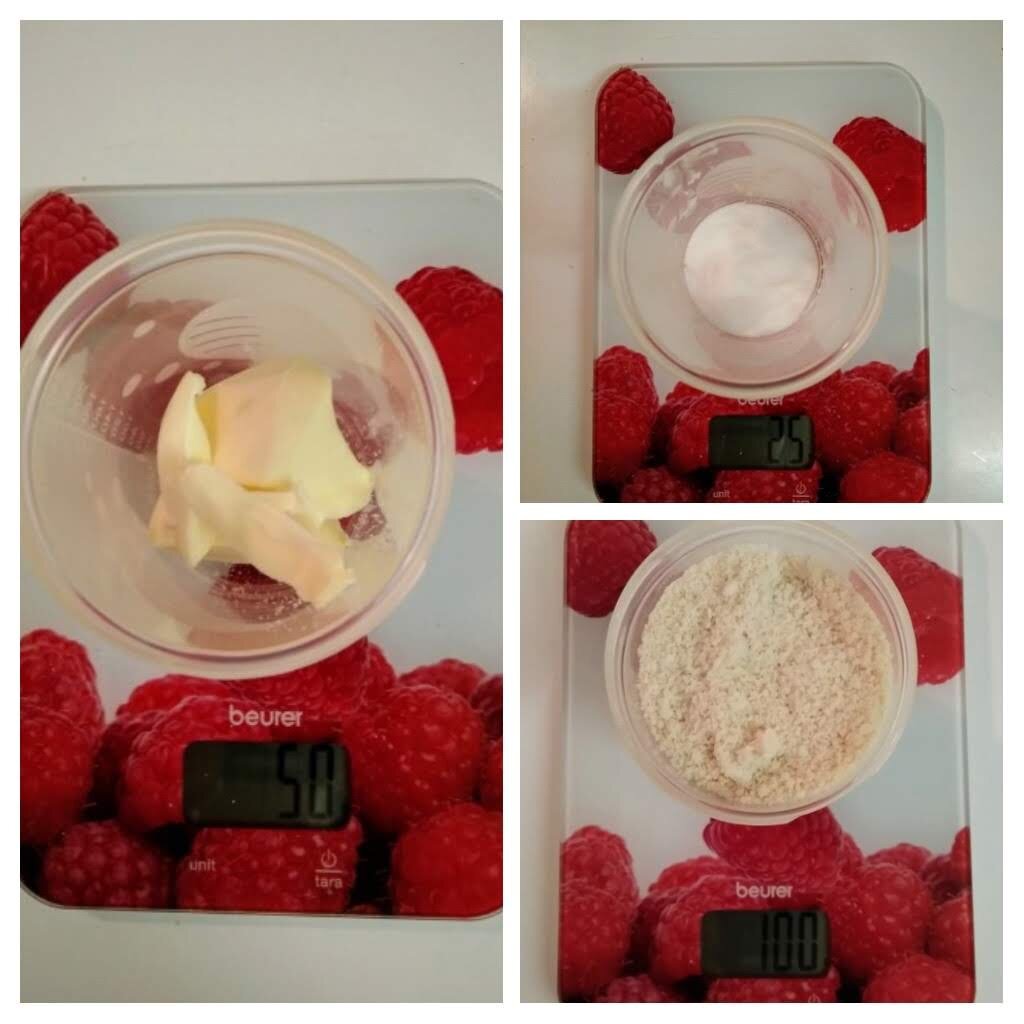
Precise measurements are the difference between a good bake and a great one. Always favour weighing ingredients over using measuring cups.
Essential Baking Techniques
Once you have your ingredients measured, the way you combine them matters. Different techniques produce different textures.
For flaky biscuits, you'll often use the cutting in method. This involves working cold, solid fat into the dry ingredients until the mixture resembles coarse breadcrumbs. When baked, the small pieces of fat melt, creating steam and separating the dough into delicate layers.
Another common technique is creaming. This is when you beat softened fat and sugar together until the mixture is light and fluffy. This process incorporates air, which helps leaven cakes and cookies, giving them a tender crumb.
creaming
verb
The process of beating solid fat (like butter) with sugar to incorporate air, which creates a light, tender texture in baked goods.
Finally, folding is a gentle technique used to combine light, airy mixtures (like whipped egg whites) into heavier batters without deflating them. You use a spatula to cut down through the middle of the mixture, scrape along the bottom, and bring some of the bottom mixture up and over the top.
Mastering these simple actions will give you control over the final texture of your baked goods.
Think of baking as a science.
Ready to check your understanding of these baking fundamentals?
What is the primary function of flour in baking?
Why is weighing ingredients with a kitchen scale considered more accurate than using measuring cups for baking?
With these basics in mind, you're ready to move on to adapting recipes for a healthier, cholesterol-free approach.