Automating Inventory with Computer Vision
Introduction to Computer Vision
Teaching Computers to See
At its core, computer vision is a field of artificial intelligence that trains computers to interpret and understand the visual world. Using digital images from cameras and videos, machines can identify and process objects in much the same way that humans do.
Computer vision is the field of computer science that focuses on creating digital systems that can process, analyze, and make sense of visual data (images or videos) like humans do.
Instead of just seeing a photo of a cat, a computer with vision capabilities can recognize that it is, in fact, a cat. It can identify the breed, its color, and even its posture. This ability to extract meaningful information from visual inputs is what makes computer vision so powerful and transformative.
A Quick Look Back
The dream of giving sight to machines is not new. The origins of computer vision date back to the 1960s, when AI was in its infancy. Early experiments focused on simple tasks, like identifying straight lines or basic shapes in a highly controlled environment. Progress was slow, limited by the sheer size and low power of early computers.
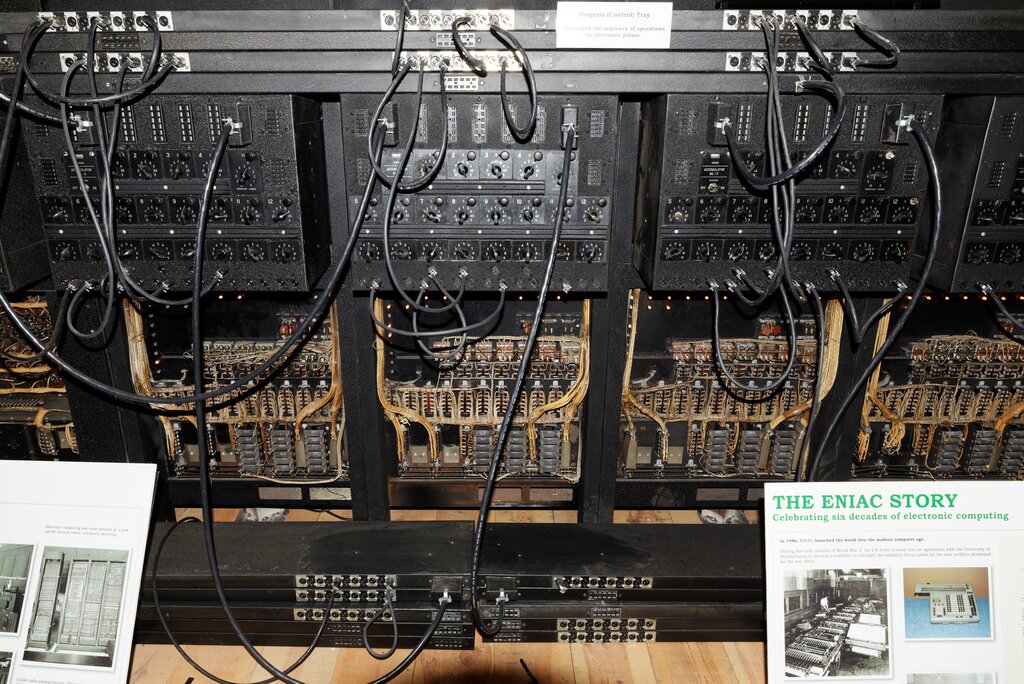
A major breakthrough came with the development of neural networks, which are computing systems inspired by the human brain. As processing power grew exponentially and large datasets of images became available, these networks got much better at learning to recognize patterns. This paved the way for the sophisticated applications we see today, from your phone's camera automatically identifying faces to complex medical diagnostic tools.
How a Computer Sees an Image
To a computer, an image isn't a single entity. It's a grid of tiny dots called pixels. Each pixel has a value representing its color and brightness. The first step in computer vision is often breaking an image down into this numerical format. From there, algorithms can begin to process it.
Basic image processing techniques are the building blocks of computer vision. These include:
- Grayscale Conversion: Simplifying a color image into shades of gray. This reduces complexity and makes it easier to find key features.
- Edge Detection: Identifying the boundaries of objects by looking for sharp changes in brightness. Think of it as creating a line drawing of the scene.
- Feature Extraction: Finding interesting or informative parts of an image, like corners, textures, or simple shapes. The system then uses these features to identify larger objects.
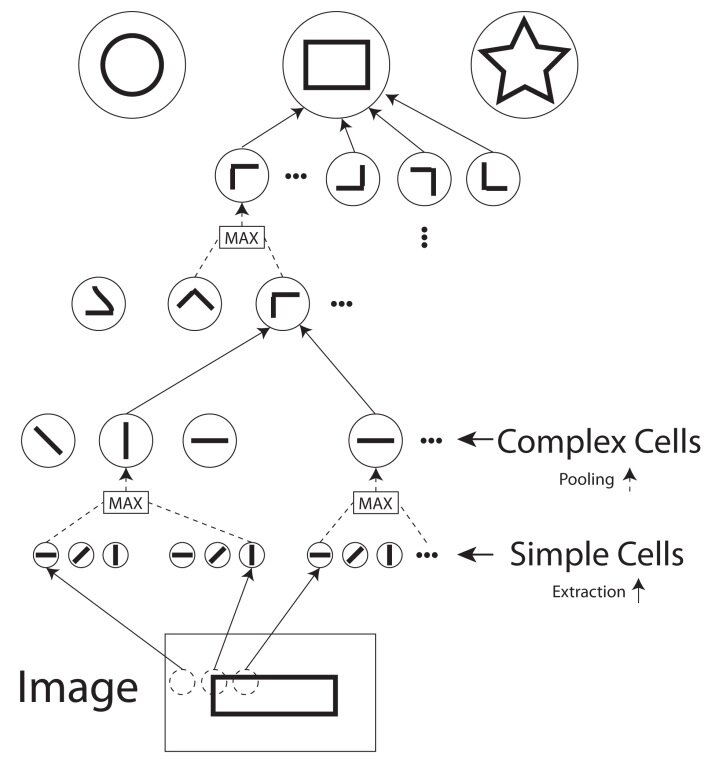
By combining these basic techniques, a computer can start to build a more complete understanding of what it's seeing. It pieces together lines to form shapes, and combines shapes to recognize objects, moving from simple data to complex interpretation.
Computer Vision in the Wild
The applications of computer vision are vast and growing every day. You likely interact with this technology more often than you realize.
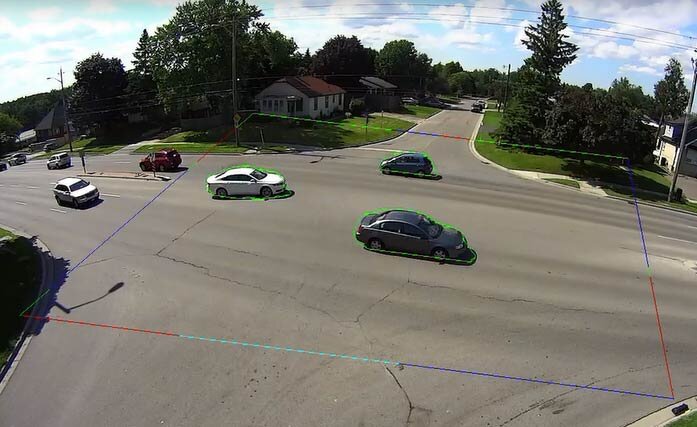
In the automotive world, computer vision is the key technology behind self-driving cars. Cameras mounted on the vehicle act as its eyes, identifying other cars, pedestrians, traffic signs, and lane markings to navigate the road safely.
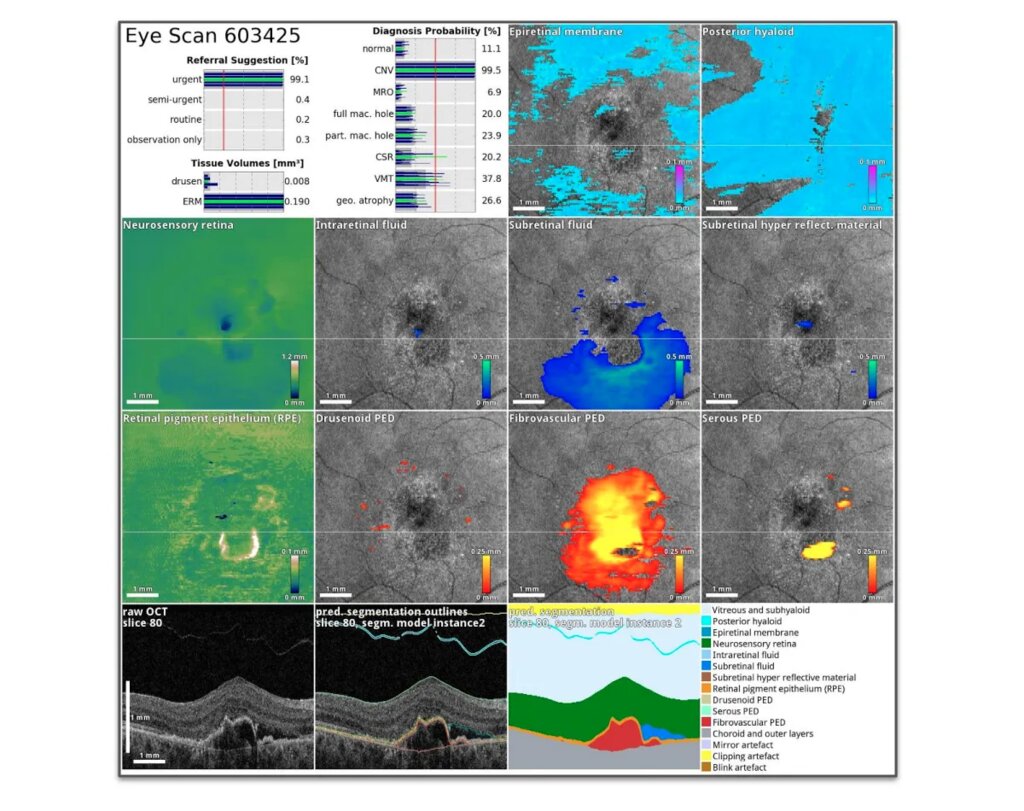
Healthcare is another area where computer vision is making a huge impact. AI systems can analyze medical scans like X-rays and MRIs to help doctors detect diseases like cancer earlier and more accurately than the human eye alone.
From unlocking your smartphone with your face to automated checkout at the grocery store, computer vision is working behind the scenes to make our interactions with technology faster, safer, and more intuitive. By enabling machines to see and understand, we unlock a new level of automation and insight.
What is the primary goal of computer vision?
To a computer, a digital image is fundamentally a grid of tiny dots called _______.